
Oxide Secures $445 Million to Boost On-Prem Cloud Infrastructure
Oxide Computer Company raises $445 million to expand on-premises cloud infrastructure, addressing growing demand for private cloud solutions tailored to enterprise needs.
Industrial automation, factory robotics, additive manufacturing and applied AI on the plant floor — the technology, deployments and economics reshaping how things get made. Daily manufacturing automation news for operators and engineers from the IndustrialBriefs newsroom.
Oxide Computer Company raises $445 million to expand on-premises cloud infrastructure, addressing growing demand for private cloud solutions tailored to enterprise needs.

Youngstown's Board of Control approves a grant for BBM Railway, supporting local manufacturing growth with job creation incentives.

FABTECH 2026 will showcase Lincoln Electric's latest automation and cutting systems, offering significant opportunities for AECM professionals to enhance efficiency and compliance.

The SOBE Thermal Energy Systems case expands with new stakeholders and indictments, impacting compliance and financial oversight in AECM sectors.

PsiQuantum secures a $150 million conditional loan from the U.S. Department of War to expand quantum computing manufacturing, highlighting government support for critical tech industries.

McCoy Construction & Forestry has been honored with the John Deere Onyx Circle Award for the third time, highlighting their excellence in the construction and forestry sectors and offering insights for other AECM businesses.

James Gibbs joins the Mahoning Valley Manufacturers Coalition as program manager, focusing on workforce development programs to support local manufacturers.

Yaskawa's ArcWorld 2000 series, showcased at FABTECH 2026, offers enhanced capacity for larger weldments, promising increased manufacturing efficiency and competitiveness for AECM professionals.
Robotic dexterity is a critical bottleneck for deploying physical AI systems in real-world applications, impacting reliability and workflow efficiency in AECM industries.

The Port of Mobile has suspended operations due to Hurricane Isaias, impacting logistics and automotive sectors. Businesses must brace for delays and evaluate alternative supply chain strategies.

Humanoid robots are generating interest in construction, but their current capabilities are limited, affecting immediate integration into the workforce.

Humanoid robots face challenges in generalizing learned behaviors to new environments, impacting their reliability in real-world applications.

The promise of humanoid robots transforming industries remains distant as experts challenge the feasibility of current AI technologies to deliver on ambitious timelines.

The transition to multi-die systems in semiconductor manufacturing presents challenges in data movement across chiplets. Overcoming these challenges is crucial for maintaining competitiveness and ensuring efficient operations.
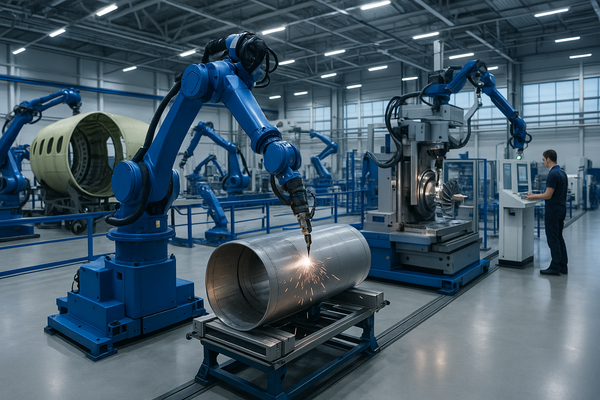
IMTS 2026 highlighted significant advancements in aerospace manufacturing technologies, offering new efficiencies and precision in production processes. These innovations are crucial for maintaining competitiveness and aligning with federal initiatives.

Industrial manufacturers are shifting to a continuous improvement model for software management, enhancing operational efficiencies and competitive positioning in a rapidly evolving technological landscape.

The ADMT4000, a new single-chip multiturn position sensor, offers significant advancements in actuator design with its compact size and power efficiency, impacting motion control in AECM industries.

Norck's Concurrent Hybrid Manufacturing Protocol integrates 3D printing and CNC machining to produce complex metal parts with micron-level precision, offering new efficiencies for industries like aerospace and robotics.

Kohlberg's acquisition of AID aims to meet growing demands for advanced infrastructure solutions in data centers and critical sectors, enhancing AID's capacity for innovation and market expansion.

Norck's Concurrent Hybrid Manufacturing Protocol promises to transform the production of complex metal components, offering unprecedented precision and efficiency for industries like aerospace and medical technology.
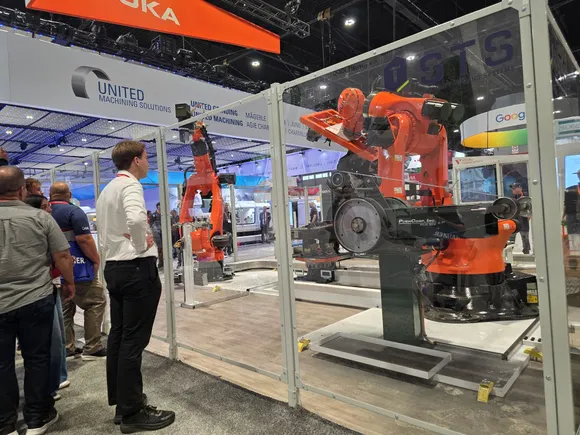
Sven Diedrich of Pinaxis emphasizes the need for alignment in people, processes, data, and systems for successful automation. His insights at the IMTS highlight potential pitfalls in pursuing automation without strategic integration, crucial for AECM sectors.
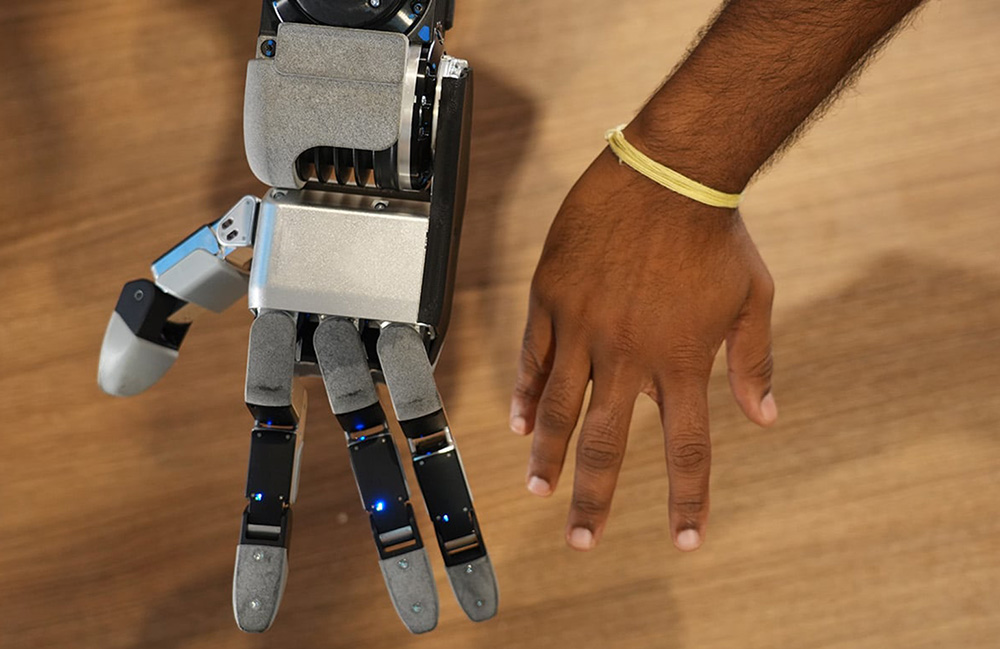
Boston Dynamics introduces a new humanoid hand designed for mass manufacturing, promising enhanced dexterity and strength. This advancement could significantly impact automation in AECM industries.
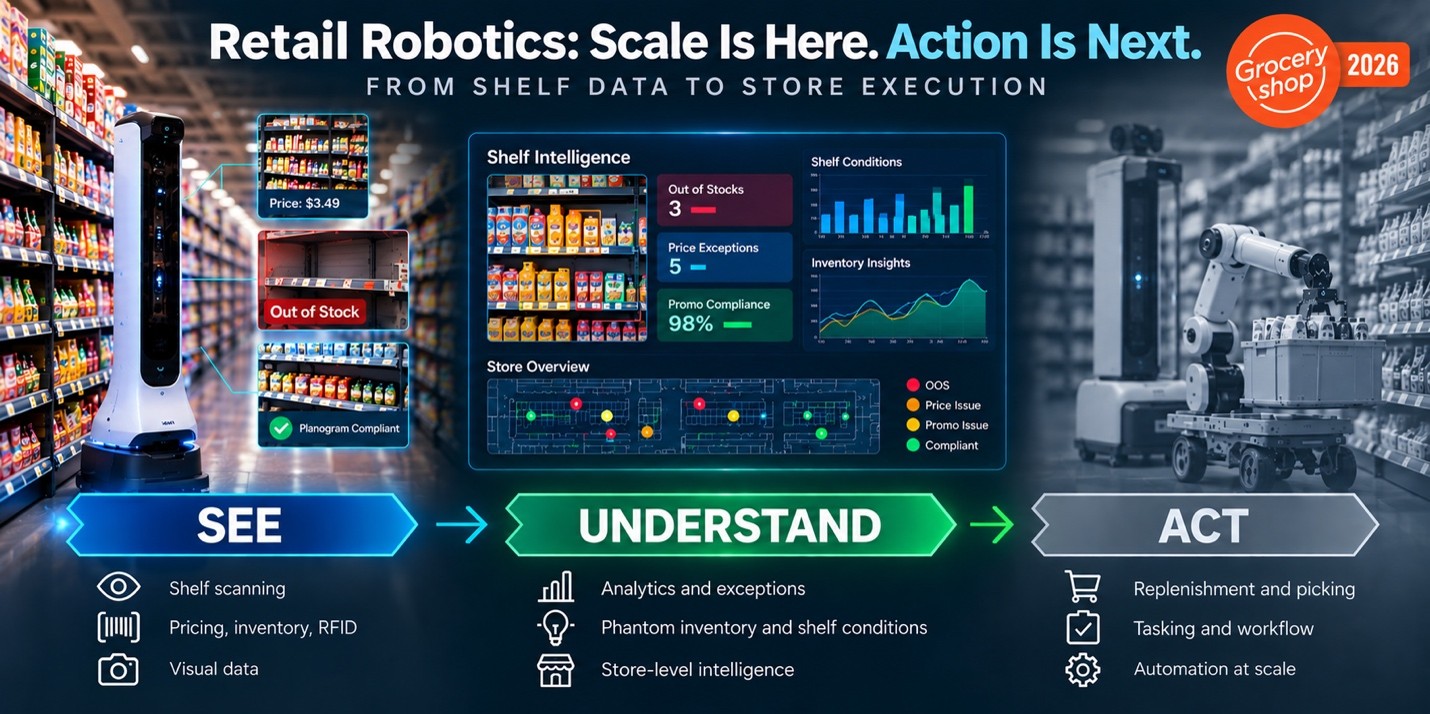
Groceryshop 2026 showcased the readiness of retail robots for large-scale deployment, with companies like Simbe Robotics and Badger Technologies leading the charge. This trend offers significant opportunities for AECM professionals and government contractors in the expanding market for intelligent a

A shift towards prioritizing operator ergonomics and maintenance access in manufacturing automation is improving efficiency and reliability. This approach has significant implications for procurement, compliance, and competitive positioning in the AECM industry.
