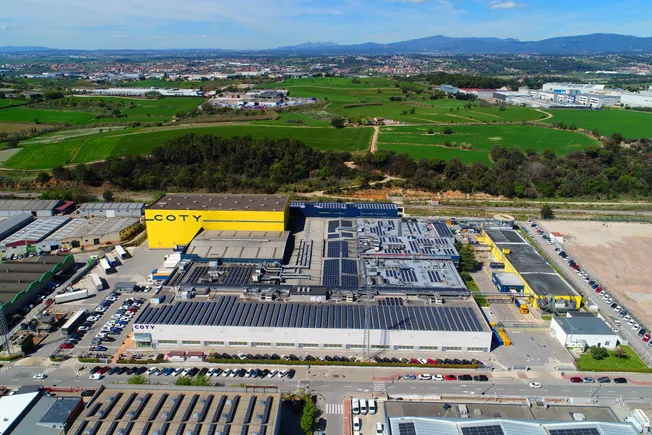
Coty, a key player in the global beauty industry with brands like Tiffany & Co., has significantly reduced its air freight usage by 48% since 2019. This strategic shift is part of Coty's broader initiative to lower emissions in its supply chain, as detailed in its fiscal year 2026 sustainability report.
What Happened
Coty has been actively transitioning from air freight to more sustainable transport options such as sea and rail. This move aligns with the company's goal to minimize air transport emissions. Despite a 33% spike in air freight emissions from fiscal year 2025 to 2026 due to global supply chain disruptions, Coty's efforts to switch to sea and rail helped mitigate a potential 3% increase in air freight volume. The company's decarbonization roadmap also focuses on reducing road transport emissions, which account for 91% of its total shipped weight. In 2026, Coty introduced three electric vehicles (EVs) in Goiania, Brazil, to further cut emissions. Moreover, the company is enhancing truckload efficiency and optimizing route planning using EcoTransIT World, a software that calculates greenhouse gas emissions.
What This Means for Your Business
Coty's approach offers a blueprint for other AECM and manufacturing firms aiming to meet stringent regulatory requirements, such as the Cybersecurity Maturity Model Certification (CMMC) and NIST standards, which increasingly emphasize sustainability. By leveraging lower-emission transport options, companies can not only comply with these standards but also reduce operational costs. Shifting from air to sea and rail can result in significant cost savings due to lower fuel expenses and reduced carbon taxes. Furthermore, the integration of EVs and route optimization software can enhance supply chain resilience and boost competitive positioning in the market.
What US Operators Should Watch
US operators should closely monitor upcoming federal and state regulations that may impose stricter emissions standards on transportation. The ongoing pilot project involving Class 8 zero-emission trucks, which includes major companies like Etsy, Amazon, and eBay, is set to expand in early 2027. This initiative could signal broader adoption of zero-emission vehicles across industries, offering new procurement opportunities and potential partnerships for businesses focused on innovation in freight logistics.
Source: https://www.supplychaindive.com/news/coty-pursues-less-air-freight-more-ocean-and-rail-transport/873024/. Read the original story ->
Is your firm ready for what’s next?
VisioneerIT helps AECM and government contractors modernize operations, achieve compliance, and implement AI.
Explore VisioneerIT Solutions →