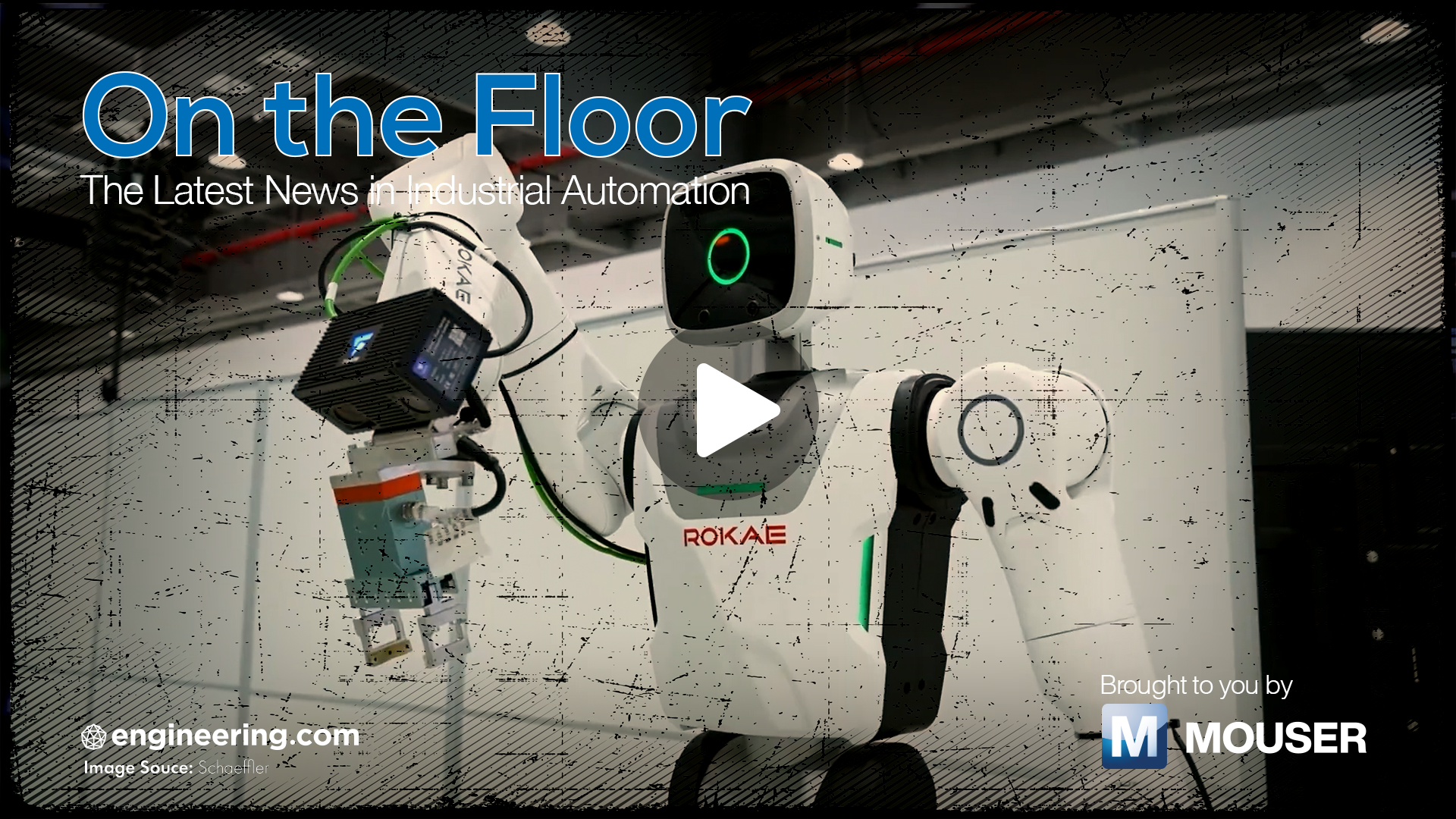
Human-like robots are taking over the factory floor, a transformative development that could redefine the manufacturing and agricultural equipment landscape. As Kansas emerges as a hub for robotic innovation, the implications for the AECM industry are profound and immediate.
What Happened
Human-like robots, often referred to as humanoids, are increasingly being deployed in manufacturing settings to perform complex tasks traditionally handled by human workers. In Kansas, this trend is not only reshaping the factory floor but is also extending into the agricultural equipment sector. These advancements are part of a broader push to integrate robotic technology into everyday industrial processes, aiming to enhance efficiency, reduce human error, and increase production rates.
The deployment of humanoid robots in these sectors highlights a significant shift towards automation, driven by the need for higher productivity and lower operational costs. The robots in question are designed to mimic human actions closely, allowing them to perform tasks with greater precision and adaptability than conventional machines.
What This Means for Your Business
For businesses in the AECM sector, the rise of humanoid robots presents both opportunities and challenges. On the one hand, adopting such technology can lead to significant cost savings and operational efficiencies. Robots can work longer hours than human workers without fatigue, and their precision can reduce material waste and improve product quality. For companies involved in federal contracts or those aiming to comply with stringent manufacturing standards, integrating advanced robotics could provide a competitive edge.
However, this shift also necessitates a reevaluation of current workforce strategies and compliance requirements. As the industry moves towards more automated solutions, companies will need to invest in upskilling their workforce to manage and maintain robotic systems. Compliance with cybersecurity standards, such as the Cybersecurity Maturity Model Certification (CMMC) and adherence to NIST guidelines, will become increasingly critical as these systems become more integrated into business operations.
What US Operators Should Watch
Decision-makers in the AECM industry should closely monitor developments in robotic technology and its regulatory environment. Key deadlines for CMMC compliance are fast approaching, and companies need to ensure their cybersecurity frameworks are robust enough to handle the increased digital footprint associated with robotic systems.
Additionally, as federal funding opportunities for technological innovation continue to expand, businesses should keep an eye on grant and contract announcements that could support their investment in robotic technologies. Staying informed about these opportunities and being prepared to submit timely bids could provide significant advantages in securing funding and contracts.
Source: https://www.engineering.com/humanoids-building-humanoids-and-new-robots-for-agriculture-equipment-in-kansas/. Read the original story ->
Is your firm ready for what’s next?
VisioneerIT helps AECM and government contractors modernize operations, achieve compliance, and implement AI.
Explore VisioneerIT Solutions →