
New Architecture Boosts AI Inference Efficiency, Cuts Costs
Lightbits Labs introduces a new architecture to address AI inference bottlenecks, promising cost reductions and enhanced efficiency for AECM industries reliant on AI technologies.
Lightbits Labs introduces a new architecture to address AI inference bottlenecks, promising cost reductions and enhanced efficiency for AECM industries reliant on AI technologies.

AI systems often falter due to architectural weaknesses, not software flaws. A 90-day plan aims to strengthen AI architectures, crucial for the AECM industry where secure and efficient AI deployment is vital.

Autonomous AI systems are expanding into physical spaces, raising concerns about current governance frameworks. The AECM industry must prepare for regulatory changes to leverage AI's potential safely and effectively.

Ai-Da Robot's architectural debut with the Space Pod project at the Utzon Center marks a significant shift in AI's role in design, offering new efficiencies and creative possibilities for the AECM industry.

AI field reporting apps are transforming construction management in 2026 by addressing labor shortages and regulatory pressures. These apps enhance efficiency through automation and real-time data handling.
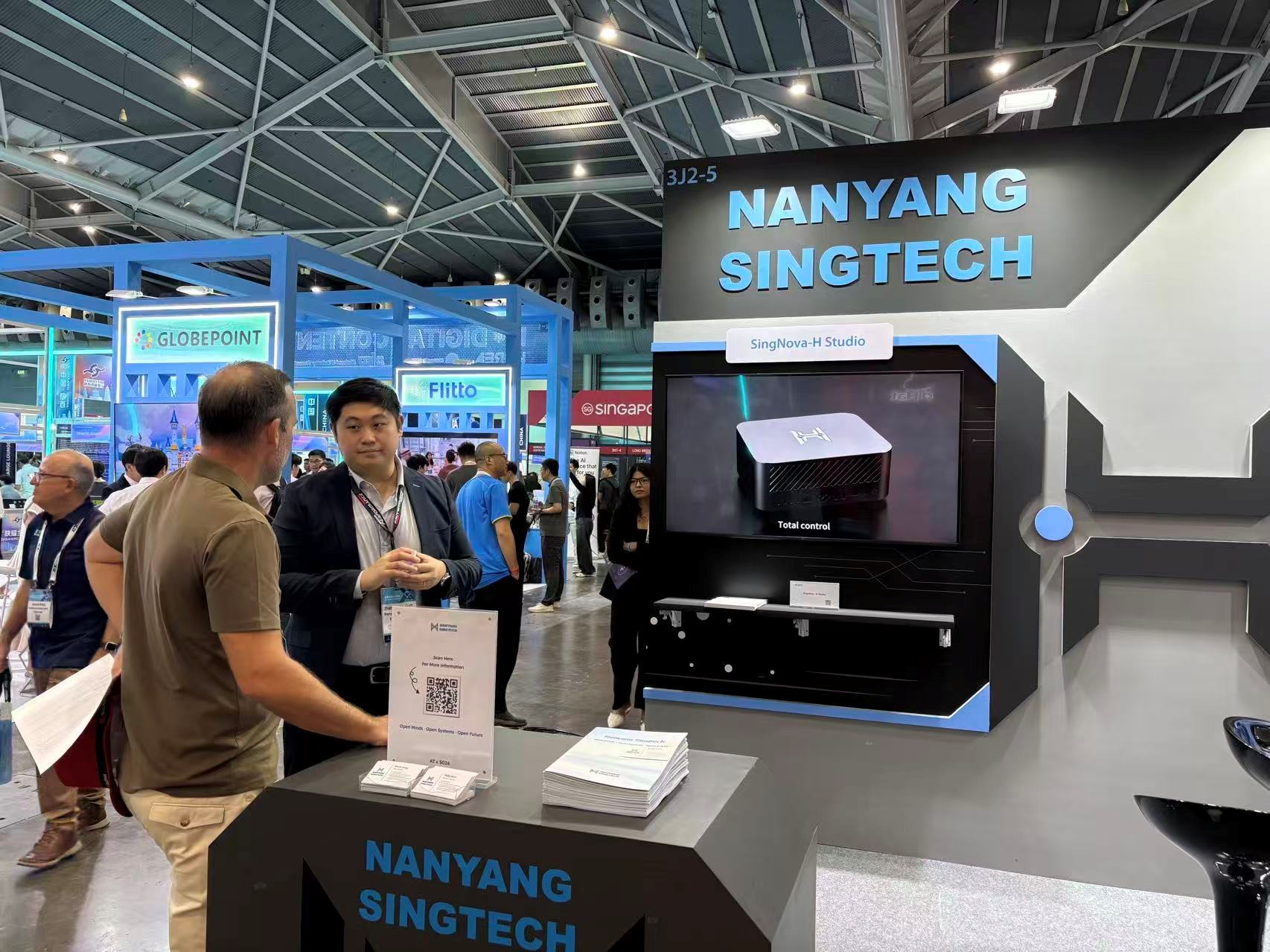
Nanyang Singtech has launched the SingNova-H Studio, a pioneering AI PC utilizing RISC-V dataflow architecture, offering significant benefits in data privacy, cost-efficiency, and local computing power for AECM industries.

CNC machining is crucial for developing advanced AI and robotics hardware, offering precision and material versatility. This technology reduces part counts, simplifies assembly, and supports modular designs, benefiting the AECM industry.

Cadence's partnerships with Nvidia and Google mark a shift towards agent-driven engineering workflows, enhancing system simulations and chip design automation.

Nebius partners with Bloom Energy to deploy 328 MW of fuel cell technology, advancing AI infrastructure in the U.S. with sustainable energy solutions.
