Ai-Da Robot has stepped into architectural history at the Utzon Center in Denmark by becoming the first humanoid robot to design a building. This milestone, part of the "I'm not a robot" exhibition, showcases Ai-Da's groundbreaking work on a modular housing concept called Ai-Da: Space Pod, aimed at future bases on the Moon and Mars. This development marks a significant shift in AI capabilities, moving from artistic endeavors to architectural innovations, and raises important questions about the future integration of AI in design and construction.
What Happened
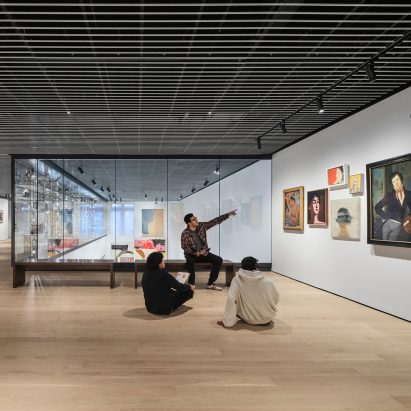
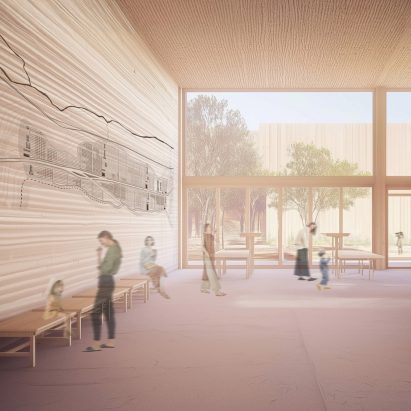
Ai-Da Robot, developed in Oxford and built in Cornwall in 2019, has expanded her repertoire from painting and performance art to architectural design. At the Utzon Center, Ai-Da has unveiled the Ai-Da: Space Pod project, a vision for modular housing that could be adapted for extraterrestrial living environments. The exhibition, which runs through October, allows visitors to explore Ai-Da's creative process through sketches, paintings, and video interviews. Ai-Da's design features modular units that can connect through corridors, creating shared residential spaces adaptable for human and robotic inhabitants alike. The project hints at a future where intelligent systems in buildings will respond to occupants' needs by adjusting environmental conditions and digital interfaces.
Why It Matters for the AECM Industry
The introduction of AI into architectural design represents a paradigm shift for the AECM industry. Ai-Da's work on the Space Pod project highlights the potential for AI to revolutionize design processes by offering new efficiencies and creative possibilities. For project managers and architects, this could mean faster design iterations and the ability to explore more complex structures without the traditional constraints of human-led design. Furthermore, the modular nature of the Space Pod aligns with growing trends in modular construction, offering potential cost savings and reduced construction timelines. As AI continues to develop, its role in the AECM industry could expand, impacting everything from project management to sustainability practices.
What's Next
Looking ahead, the Ai-Da: Space Pod concept could evolve into fully
Is your firm ready for what’s next?
VisioneerIT helps AECM and government contractors modernize operations, achieve compliance, and implement AI.
Explore VisioneerIT Solutions →