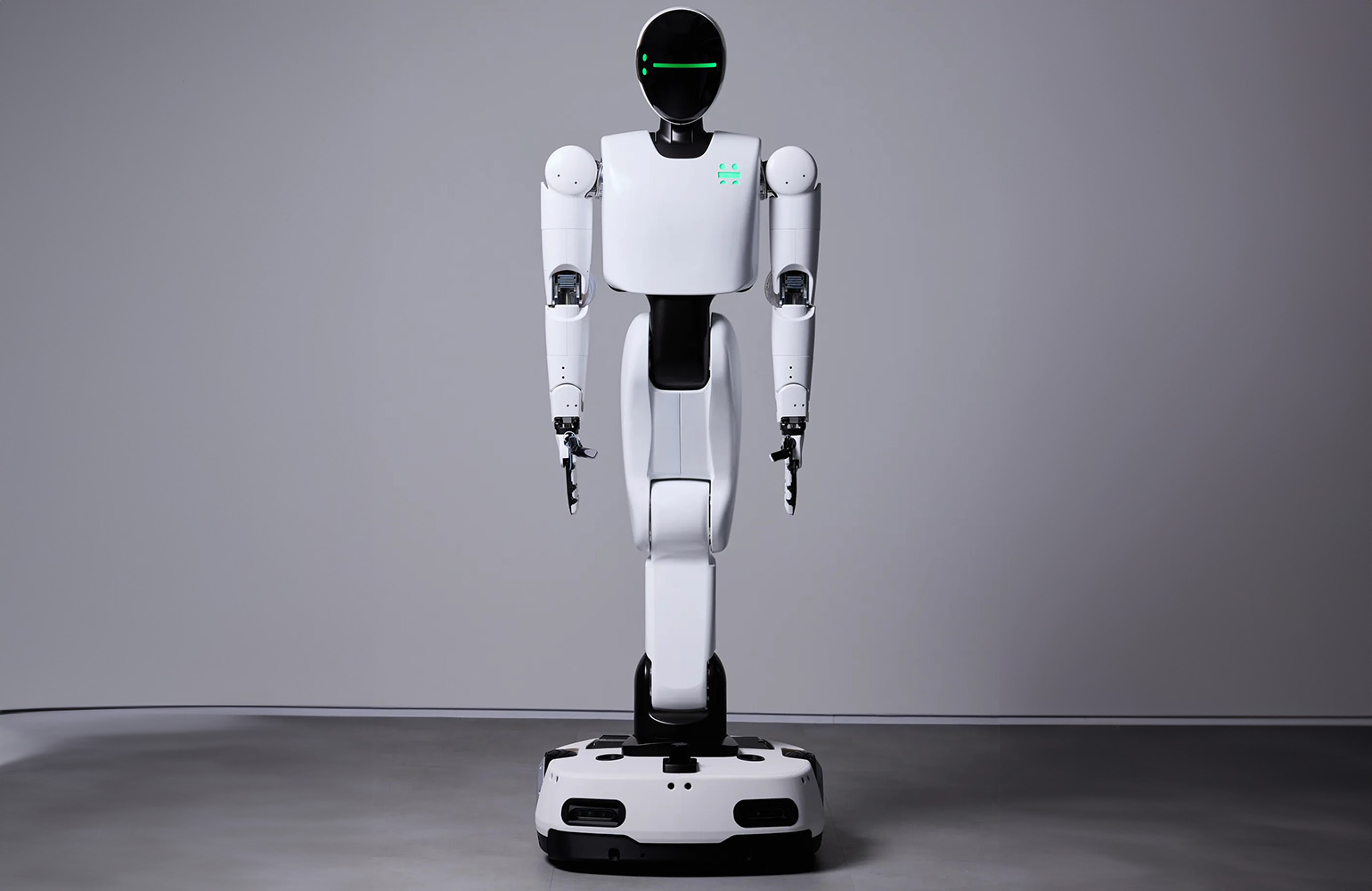
The rapid evolution of artificial intelligence and robotics is transforming the demands on hardware, with CNC machining emerging as a critical technology in this shift. As robots increasingly operate in complex environments beyond the controlled factory floor, CNC machining provides the precision and material versatility needed to support their sophisticated functions.
What Happened
The rise of AI and autonomous systems has necessitated a new approach to hardware design, particularly in robotics. CNC machining is playing a pivotal role in this technological evolution, bridging the gap between advanced AI software and the durable, precise physical forms required for complex robotic tasks. Multi-axis CNC machining, including 4-axis and 5-axis configurations, is enabling the production of integrated parts that enhance robotic agility and AI integration. This technology allows for the creation of intricate geometries that facilitate internal cable routing, sensor pockets, and cooling channels essential for high-performance AI processors.
In addition, the selection of advanced materials is crucial for optimizing the performance and longevity of AI hardware. Aluminum alloys, stainless steel, titanium, and engineered plastics are among the materials being used to balance strength, weight, and thermal conductivity. These materials are chosen not only for their mechanical properties but also for their ability to meet international standards, ensuring reliability and quality in robotic applications.
Why It Matters for the AECM Industry
For the AECM industry, the integration of CNC machining into robotics and AI hardware design offers several advantages. It allows for the reduction of part counts, simplifying assembly processes and minimizing potential failure points. This can lead to cost savings and increased reliability of robotic systems. Additionally, the precise capabilities of CNC machining support the development of modular designs, which are critical for maintaining flexibility and adaptability in dynamic environments.
Moreover, the ability to select and utilize advanced materials means that engineers can design components that maximize performance while minimizing weight, directly impacting battery life and operational efficiency. This aspect is particularly important for mobile robotics and AI systems that require extended operational periods without frequent recharging.
What's Next
As the demand for more sophis
Is your firm ready for what’s next?
VisioneerIT helps AECM and government contractors modernize operations, achieve compliance, and implement AI.
Explore VisioneerIT Solutions →