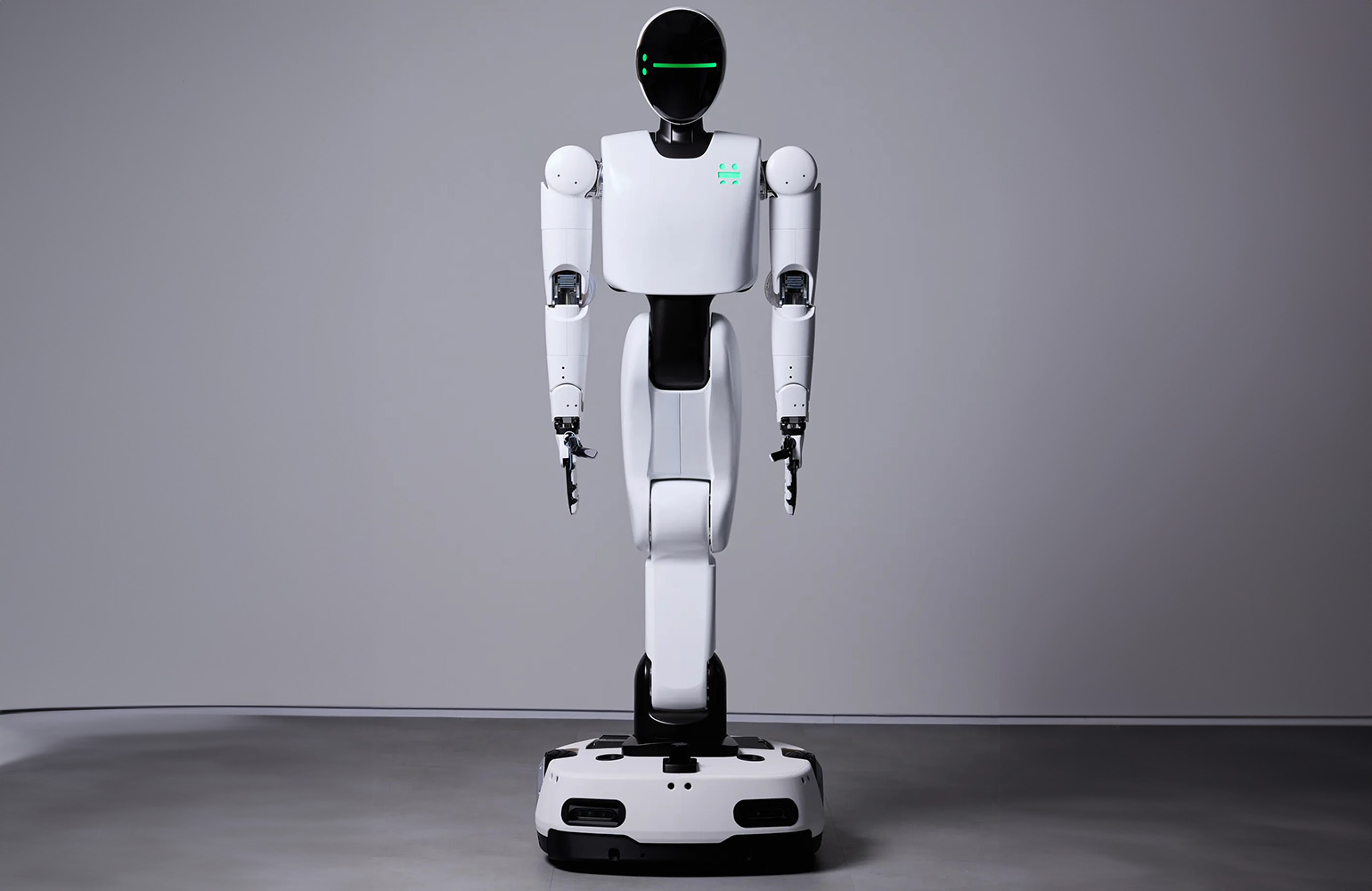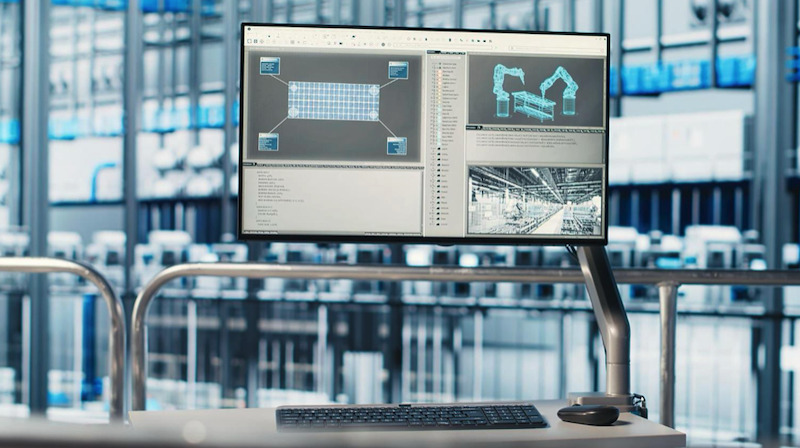
Machine vision systems are revolutionizing industrial environments, and their rapid adoption is driving the need for scalable media infrastructure. As factories, warehouses, and logistics centers increasingly rely on cameras and AI-assisted visual analysis for efficiency and decision-making, the volume of visual data has surged. This trend is reshaping infrastructure requirements to ensure effective storage, management, and accessibility of this data.
What Happened
Machine vision technologies have become integral to modern industrial operations, enabling automated systems to interpret visual information previously assessed only by humans. These systems, powered by cameras and AI-driven software, are widely used in manufacturing, logistics, automotive production, electronics, and food processing sectors. They perform tasks such as defect identification, equipment monitoring, product assembly verification, and operational process analysis in real time. With the increasing sophistication of these technologies, the volume of video and image data generated by industrial systems is growing exponentially. High-resolution cameras and multi-camera production environments contribute to this surge, making visual data central to automated decision-making and process optimization.
Why It Matters for the AECM Industry
For the AECM industry, the burgeoning use of machine vision systems presents both opportunities and challenges. The increased reliance on visual data necessitates robust infrastructure capable of handling large-scale data management efficiently. This includes solutions for organizing video assets via searchable metadata, automated tagging, cloud-based storage, and AI-assisted indexing. Such infrastructure is crucial for businesses operating across multiple locations, ensuring teams have consistent access to visual records, inspection footage, and operational analysis. Furthermore, AI-powered tools enhance the utility of visual data by automatically analyzing footage, identifying anomalies, and monitoring equipment behavior, which supports quality control and long-term process improvement. For project managers, engineers, and contractors, investing in scalable media infrastructure is becoming as critical as the automation systems themselves.
What's Next
As the adoption of machine vision systems continues to grow, the demand for scalable media infrastructure will only intensify. Network security and data management solutions will play a pivotal role in supporting this growth, ensuring that organizations can maintain the integrity and accessibility of their visual data assets.
Is your firm ready for what’s next?
VisioneerIT helps AECM and government contractors modernize operations, achieve compliance, and implement AI.
Explore VisioneerIT Solutions →