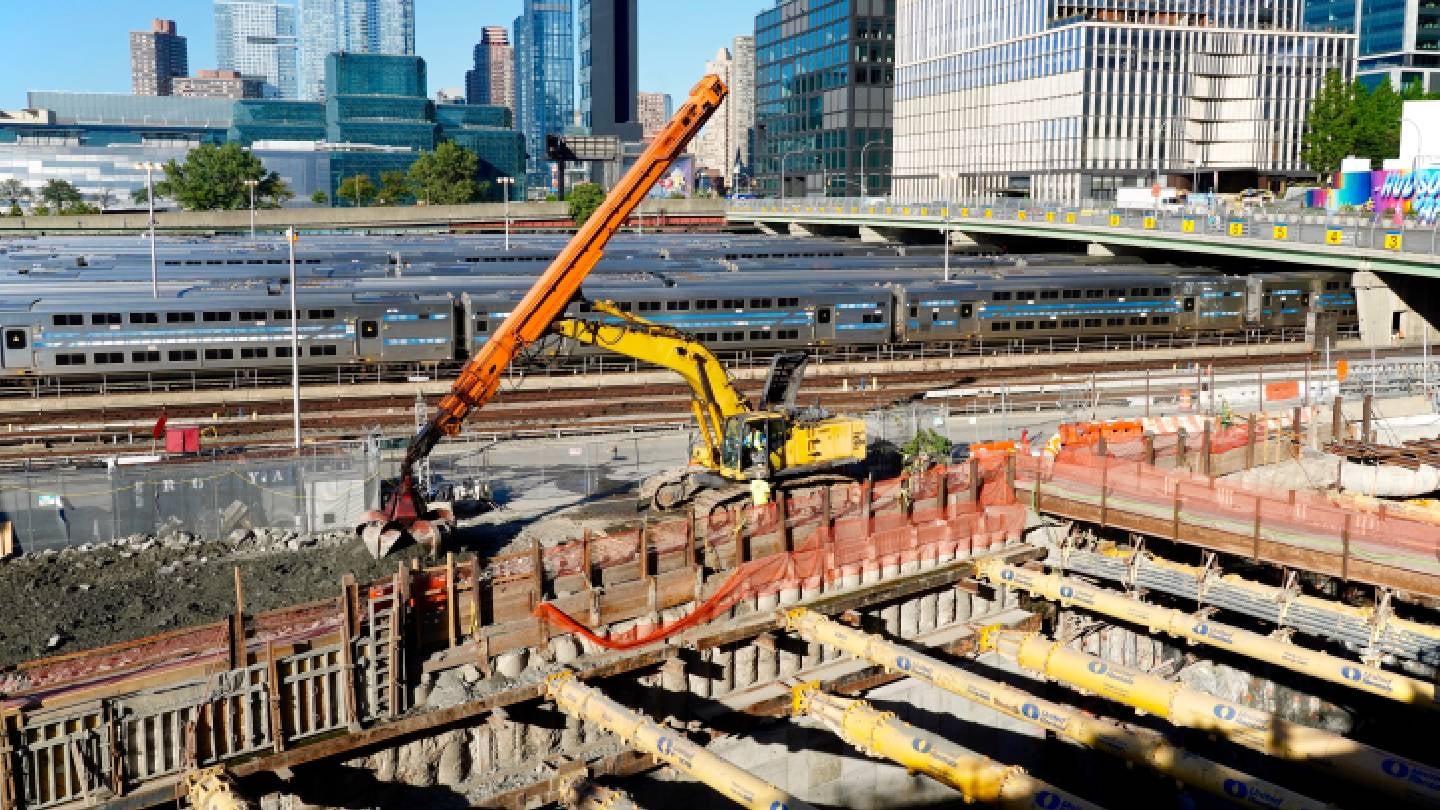
The Gateway Development Commission (GDC) has launched the tunnel boring phase of the Hudson Tunnel Project, a critical infrastructure undertaking aimed at improving rail connectivity between New Jersey and New York. On September 28, 2026, construction crews commenced preparations for the first tunnel boring machine (TBM) to start excavating under the Hudson River, a historic milestone in U.S. transportation infrastructure.
What Happened
The Hudson Tunnel Project, under the management of the Port Authority of New York and New Jersey in partnership with GDC, is set to enhance the busiest segment of the U.S. rail network. The project involves constructing a new twin-tube tunnel beneath the Hudson River to supplement and eventually allow repairs to the existing North River Tunnel, which has been operational since 1910. The initial phase of tunnel boring will employ two massive TBMs, each weighing over 1,680 tons, to excavate a mile-long section through the Palisades Cliffs in New Jersey. This phase is managed by contractor Schiavone Lane Dragados JV, with both machines expected to advance approximately 30 feet per day, reaching the Hudson County Access Shaft in about one year.
New York State Governor Kathy Hochul highlighted the significance of the project, describing it as a "historic day for New York" and a testament to the state's ambitions to "dream and build big." The project is structured into ten construction packages, with the first completed in early 2026 and six more currently underway.
What This Means for Your Business
For businesses in the AECM sector, the Hudson Tunnel Project represents substantial opportunities in terms of contracts and procurement. The ongoing phases of construction, including the $711.7 million contract awarded to Skanska Creamer Sanzari NJSA joint venture earlier this year, highlight the scale and scope of investment in the region. Companies involved in infrastructure development, rail systems, and related services should closely monitor procurement windows and contract announcements to capitalize on this major federal investment.
Compliance with federal regulations, such as the Cybersecurity Maturity Model Certification (CMMC) and NIST standards, will be crucial for contractors and subcontractors participating in this project. Additionally, businesses can expect increased demand for innovative construction techniques and materials that enhance sustainability and efficiency, aligning with the federal government's emphasis on resilient infrastructure development.
What US Operators Should Watch
Decision-makers in the AECM industry should track the timelines associated with the Hudson Tunnel Project's construction packages and procurement opportunities. With the project's initial phases already in motion and additional phases forthcoming, staying informed about federal bid opportunities and compliance requirements will be essential for competitive positioning. Furthermore, the eventual rehabilitation of the North River Tunnel will present additional opportunities for engagement and investment.
Source: https://www.worldconstructionnetwork.com/news/hudson-tunnel-project-gdc/. Read the original story ->
Partner Insight · VisioneerIT
The Hudson Tunnel Project underscores the importance of compliance with federal regulations, including the Cybersecurity Maturity Model Certification (CMMC), which is essential for contractors involved in large-scale infrastructure projects. VisioneerIT specializes in helping businesses navigate these compliance requirements to ensure they meet necessary standards and protect their operations.
Explore VisioneerIT Cybersecurity →
Is your firm ready for what’s next?
VisioneerIT helps AECM and government contractors modernize operations, achieve compliance, and implement AI.
Explore VisioneerIT Solutions →