Robotaxis are poised for massive expansion, but the road to scaling from 14 cities to 15,000 is fraught with challenges that could impact the entire AECM sector. Waymo, a leader in autonomous driving, has logged over 220 million miles with a significant reduction in serious injury crashes compared to human drivers. Yet, the real hurdle lies not in the technology but in the infrastructure needed to support these vehicles.
What Happened
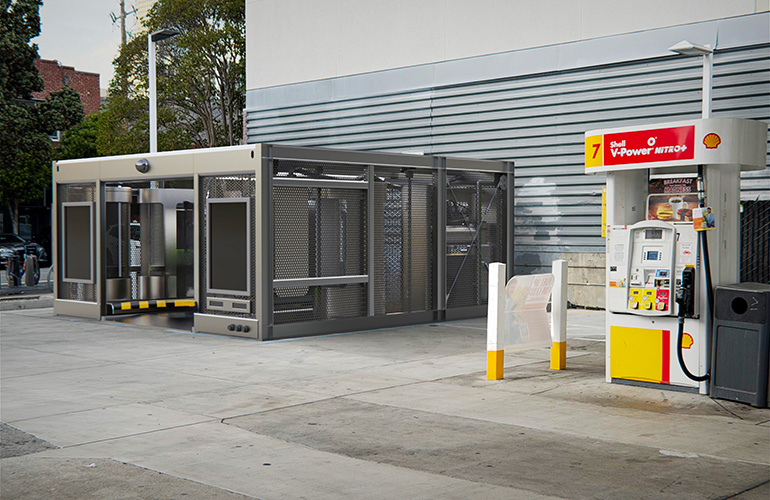
Waymo currently operates in 14 cities, and while its technology is proven, the operational model is not yet scalable. Unlike Uber, which operates in over 15,000 cities and completes billions of trips per quarter, robotaxis face unique challenges. Each robotaxi trip often ends with the vehicle needing to travel up to 15 miles to a centralized depot for cleaning, charging, and inspection, leading to inefficiencies. California data reveals that only 54% of Waymo's miles through 2025 carried passengers, highlighting the inefficiency of current depot models.
The land required for these depots is scarce and highly sought after, with tech giants like Microsoft and Amazon outbidding for powered parcels. Moreover, regulatory timelines for setting up charging infrastructure are lengthy, often taking years per city. Each city presents unique challenges—from the sprawling parking lots of Phoenix to the medieval streets of Zurich—requiring bespoke solutions that are neither cost-effective nor scalable.
What This Means for Your Business
For AECM professionals, the scaling of robotaxis represents both a challenge and an opportunity. The need for customized depot solutions in diverse urban environments opens up new avenues for design and construction projects. However, the competition for industrial-zoned land and the lengthy regulatory processes could significantly impact project timelines and costs.
Companies involved in the development and operation of robotaxi infrastructure must navigate these complexities while also considering compliance with evolving regulations. Federal funding opportunities may arise as governments look to support the growth of this sector, but securing these funds will require navigating complex application processes and meeting stringent compliance requirements.
The integration of autonomous vehicle technology into urban landscapes will also necessitate collaboration across sectors. Partnerships between technology providers, automakers, and infrastructure developers will be crucial to overcoming the challenges of scaling robotaxis.
What US Operators Should Watch
Decision-makers should closely monitor regulatory developments and procurement windows related to autonomous vehicle infrastructure. The timelines for securing land and setting up necessary charging and maintenance facilities will be critical to the success of any robotaxi operation. Additionally, keeping an eye on federal initiatives and funding opportunities could provide a competitive edge.
As the industry evolves, staying informed about the technological advancements of key players like Waymo, Wayve, and Nuro will be essential. These companies are pioneering the integration of autonomous technology into vehicles, and their strategies could shape the future landscape of robotaxi operations.
Source: https://www.therobotreport.com/from-14-cities-to-15000-what-it-will-take-to-scale-robotaxis/. Read the original story ->
Is your firm ready for what’s next?
VisioneerIT helps AECM and government contractors modernize operations, achieve compliance, and implement AI.
Explore VisioneerIT Solutions →