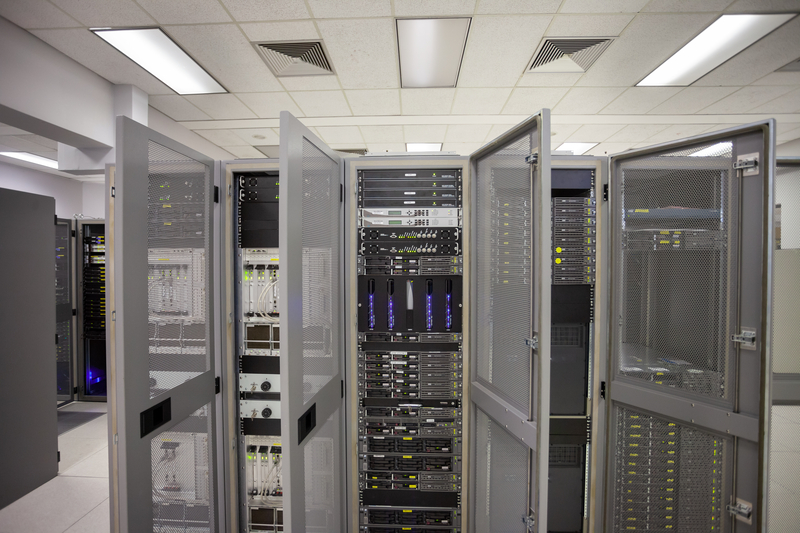
The installation of new equipment in facilities marks only the beginning of a complex process that can significantly impact operational efficiency and costs. For the Architecture, Engineering, Construction, and Manufacturing (AECM) industry, understanding and addressing the "installation gap" is crucial to minimizing financial losses and ensuring seamless project execution.
What Happened
The "installation gap" refers to the often overlooked phase between equipment delivery and its full operational integration into a facility. This phase involves numerous critical tasks, including coordination between different teams, adherence to safety protocols, and alignment with the facility's operational goals. The lack of preparedness or oversight during this phase can lead to increased downtime, higher operational costs, and potential safety hazards. According to a report by Facilities Dive, this gap is costing facilities more than they might realize, as inefficiencies in installation processes lead to unforeseen expenses and delays.
Why It Matters for the AECM Industry
For professionals in the AECM sector, the installation gap poses several challenges. Firstly, it can significantly affect project timelines, leading to delays that impact the entire construction or renovation schedule. Secondly, unanticipated costs stemming from inefficient installation processes can strain budgets, particularly in projects with tight financial constraints. The gap also introduces risks related to safety and compliance, as improperly installed equipment may not meet regulatory standards, leading to potential liabilities. Furthermore, the lack of coordination can disrupt supply chains, affecting the delivery and integration of subsequent project components. Addressing these challenges requires a strategic approach, including better training for installation teams, enhanced project management practices, and leveraging technology to improve coordination and oversight.
What's Next
To mitigate the installation gap, industry professionals should focus on improving pre-installation planning and coordination. This includes conducting thorough site assessments, fostering communication between stakeholders, and implementing robust project management software to track progress and identify potential issues early. Additionally, the adoption of advanced technologies, such as Building Information Modeling (BIM) and Internet of Things (IoT) solutions, can enhance the accuracy and efficiency of installation processes. As the industry continues to evolve, staying informed about best practices and technological advancements will be crucial for minimizing the impact of the installation gap on project outcomes.
Is your firm ready for what’s next?
VisioneerIT helps AECM and government contractors modernize operations, achieve compliance, and implement AI.
Explore VisioneerIT Solutions →