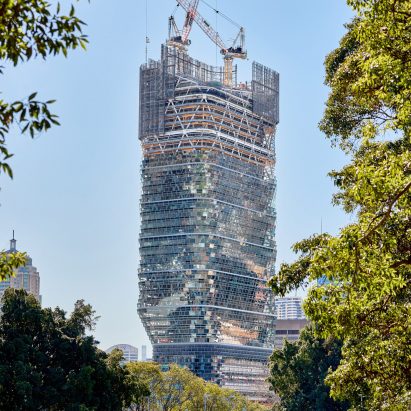
Architecture is undergoing a transformative shift, where buildings are increasingly viewed as evolving platforms rather than static structures. This change, highlighted in a recent article by Ankitha Gattupalli on ArchDaily, suggests a new approach where architecture integrates principles from product design to enhance performance, user experience, and scalability. This shift is crucial for professionals in the architecture, engineering, construction, and manufacturing (AECM) industries, as it demands a reevaluation of design and operational strategies.
What Happened
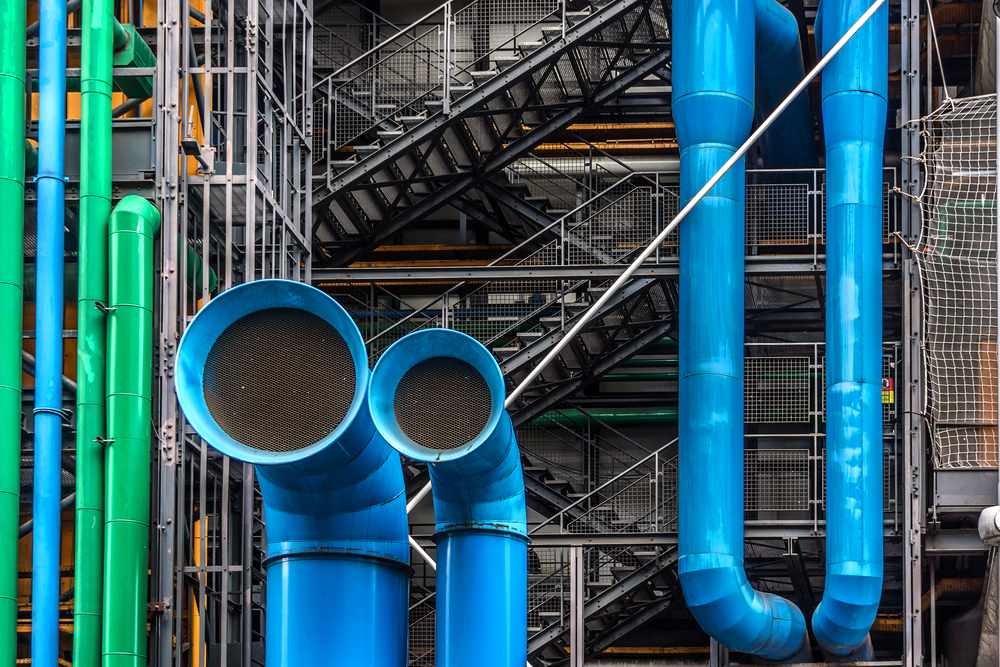
Architecture has traditionally prized novelty and uniqueness, but recent trends emphasize a more product-like perspective, where buildings are assessed on their functionality, clarity of use, and experiential consistency. This transformation aligns with product design principles, which prioritize reliability and system cohesion over mere aesthetic uniqueness. The Centre Georges Pompidou, designed by Renzo Piano and Richard Rogers, serves as an iconic example of this evolving architectural philosophy, where form and function are meticulously integrated to offer a predictable and repeatable experience for users.
Why It Matters for the AECM Industry
For the AECM sector, this shift represents a significant change in how projects are conceptualized and executed. By adopting a product-oriented mindset, architects and builders can deliver structures that not only meet but exceed performance expectations. This approach enhances sustainability by ensuring buildings operate efficiently over time and adapt to changing needs. It also influences cost and schedule management by promoting repeatable and scalable design solutions that reduce uncertainty and risk. Moreover, the focus on user experience aligns with a growing demand for buildings that cater to the evolving expectations of occupants, thereby enhancing competitive dynamics within the industry.
What's Next
As architecture continues to embrace this product-centric paradigm, AECM professionals should anticipate further integration of digital technologies, such as AI and IoT, to enhance building performance and adaptability. Upcoming milestones may include the development of standardized metrics for evaluating building performance and the establishment of new design codes that reflect these evolving priorities. Industry stakeholders should watch for policy developments and emerging best practices that support this shift, positioning themselves at the forefront of this architec
Is your firm ready for what’s next?
VisioneerIT helps AECM and government contractors modernize operations, achieve compliance, and implement AI.
Explore VisioneerIT Solutions →