In a significant step towards sustainable construction, Heidelberg Materials UK has implemented its innovative CarbonLock biogenic asphalt on a 1.5-mile stretch of the A689 in Cumbria, aiming to set a benchmark in carbon reduction for road projects.
What Happened
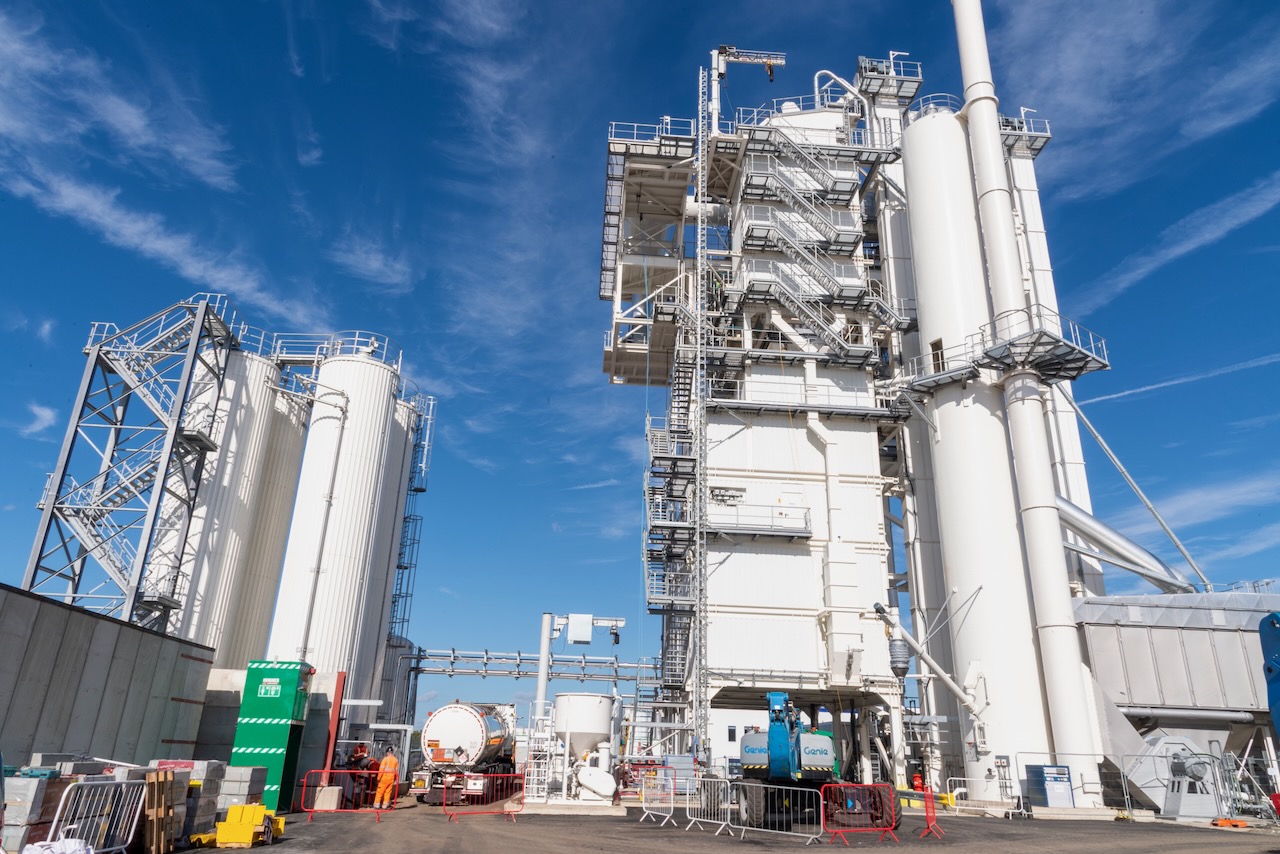
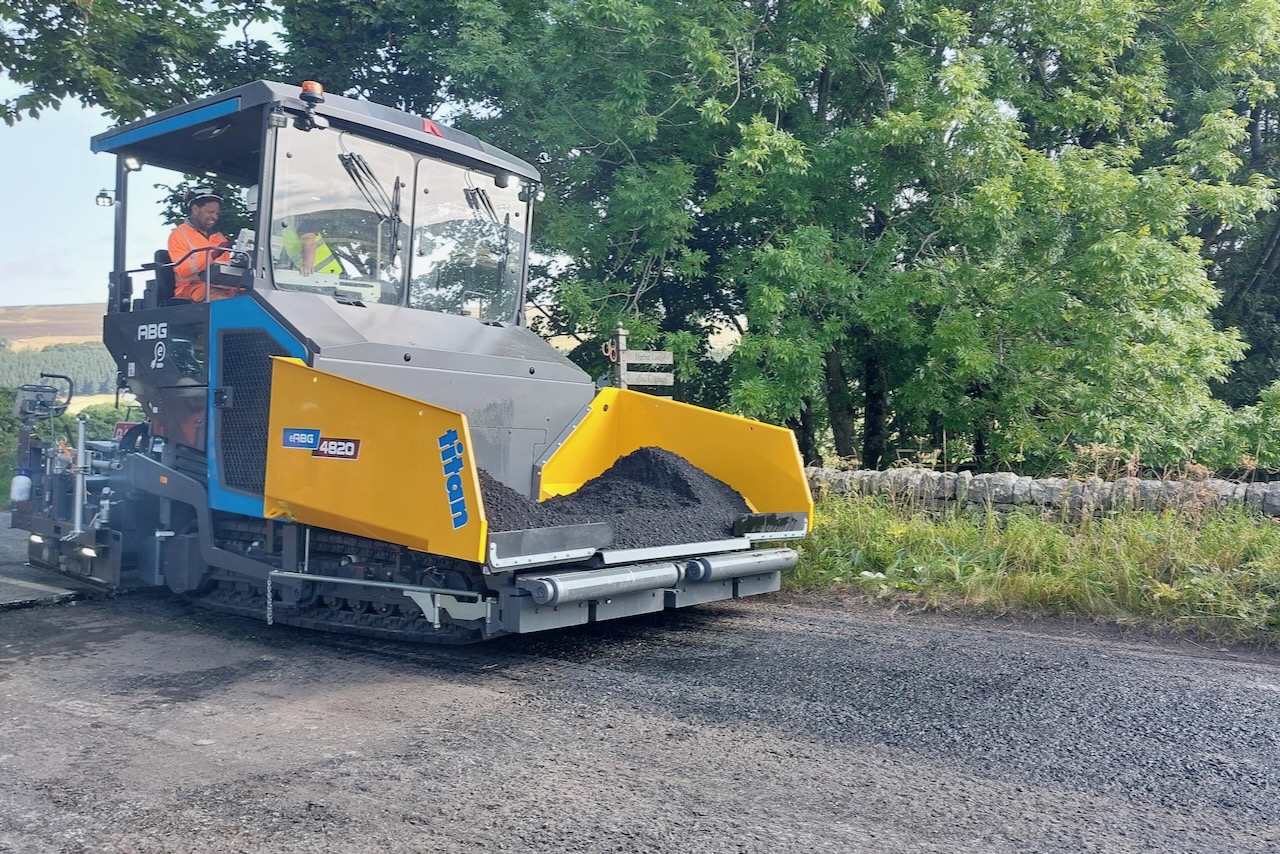
Heidelberg Materials UK, under a highway framework agreement with Westmorland and Furness Council, has utilized its CarbonLock biogenic asphalt to refurbish a road between Harbut Lodge and the Alston War Memorial. This project marks the first application of CarbonLock asphalt within the framework, achieving a 21% reduction in carbon emissions compared to traditional hot-mix asphalt. The asphalt, produced at Heidelberg’s Keepershield plant, contains biogenic material that absorbs and stores CO₂, locking it permanently even when recycled. The project also leveraged the Ammann eABG 4820 electric paver, further minimizing carbon emissions. This electric paver, the largest of its kind, can lay up to 1,200 tons of asphalt on a single charge, highlighting a commitment to reducing the carbon footprint of construction activities.
What This Means for Your Business
For AECM professionals, the success of the CarbonLock asphalt project in Cumbria underscores the growing importance of sustainable materials in procurement and project planning. As federal and state regulations increasingly prioritize carbon reduction, adopting similar technologies can enhance competitive positioning and compliance with emerging standards. The use of biogenic asphalt not only aligns with environmental goals but also offers potential cost savings in lifecycle management, as recycled materials maintain their carbon storage capabilities. Furthermore, integrating electric construction equipment can further decrease operational emissions, offering a dual advantage in sustainability and cost-efficiency.
What US Operators Should Watch
US operators should monitor advancements in biogenic materials and electric construction equipment as part of their strategic planning. The success of the Cumbria project could influence US federal and state agencies to incentivize or mandate similar technologies in infrastructure projects. Keeping abreast of developments in carbon storage materials and electric machinery could position companies favorably in upcoming bids and regulatory compliance audits.
Source: The Construction Index. Read the original story ->
Partner Insight · VisioneerIT
The integration of sustainable materials and electric construction equipment is crucial for companies aiming to secure government contracts. VisioneerIT can assist in developing strategies to align with federal compliance standards and enhance competitive positioning in the AECM sector.
Explore VisioneerIT Cybersecurity →
Is your firm ready for what’s next?
VisioneerIT helps AECM and government contractors modernize operations, achieve compliance, and implement AI.
Explore VisioneerIT Solutions →