The Construction Industry Research and Information Association (CIRIA) has unveiled a pioneering guide addressing the impact of climate change on geo-risks throughout the development life cycle. This marks a critical step in equipping the construction industry with tools to manage the escalating geoenvironmental challenges posed by changing climate patterns.
What Happened
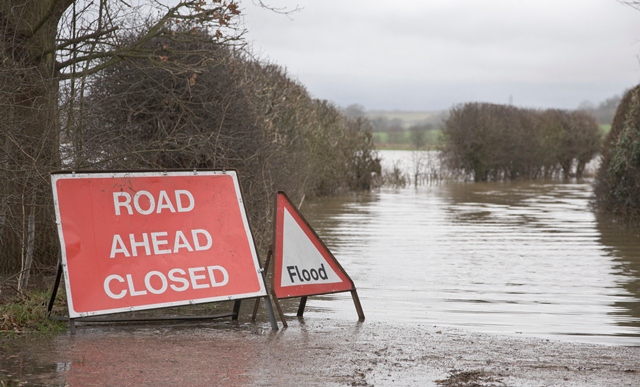
CIRIA's new publication, "Good practice guide for managing climate change and extreme weather in land development: effective management of geo-based risks," is the first of its kind to directly link projected climate change impacts with their physical effects on geotechnical and geoenvironmental conditions. The guide comes at a time when the UK faces unprecedented weather patterns, including hotter, drier summers, warmer, wetter winters, and more frequent intense storms. These conditions have led to significant infrastructure challenges, such as the 2022 heatwave that resulted in 23,000 subsidence claims, costing an estimated £219 million—the highest annual subsidence payout since 2006. In 2023, Storm Babet further highlighted these risks by causing bridge collapses and widespread infrastructure damage. CIRIA’s guide offers a comprehensive framework for understanding and mitigating these risks, structured in two parts: the first outlines current climate knowledge and its effects on geo-risks, while the second provides a practical framework for managing these impacts with diagrams, tools, and case studies.
Why It Matters for the AECM Industry
The implications of climate change for the AECM industry are profound, affecting everything from project viability and asset lifespan to insurance, financing, and regulatory compliance. With the increasing unpredictability of geo-based risks such as shrink-swell in clay soils, flooding, shifting groundwater regimes, and landslides, this guide provides essential insights and tools for industry professionals. By integrating climate resilience into land development practices, the guide helps project managers, engineers, and contractors mitigate risks that could otherwise lead to costly project delays or failures. This comprehensive approach not only supports sustainable construction practices but also aligns with evolving regulatory standards and stakeholder expectations.
What's Next
Industry professionals can look forward to incorporating the insights from CIRIA's guide into their projects, enhancing resilience against climate-related geo-risks. As the guide was funded by Heathrow,
Is your firm ready for what’s next?
VisioneerIT helps AECM and government contractors modernize operations, achieve compliance, and implement AI.
Explore VisioneerIT Solutions →