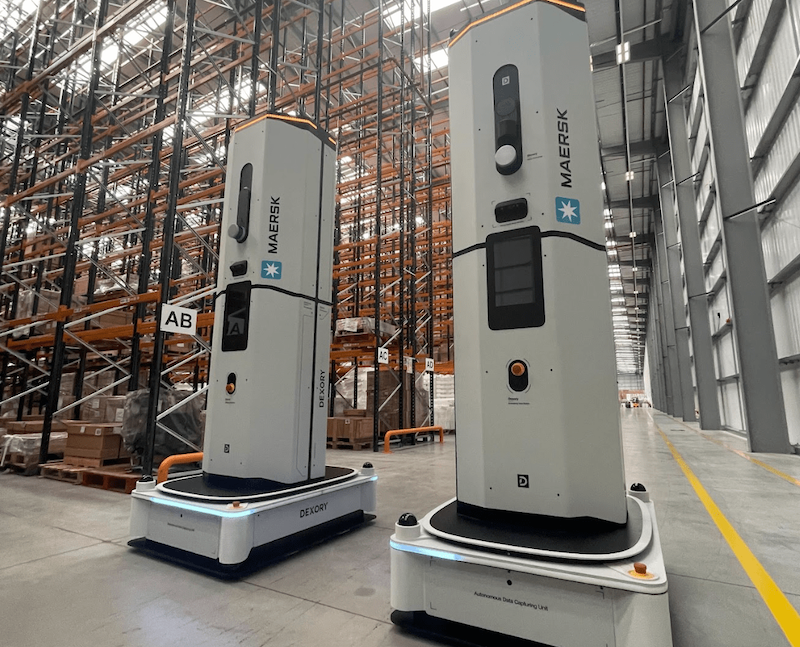
Warehouses are increasingly embracing autonomy to overcome labor shortages and supply chain disruptions, significantly enhancing decision-making processes.
What Happened
Warehouses are under mounting pressure to enhance efficiency amid labor shortages, escalating costs, and supply chain disruptions. According to the UK Warehousing Association, a mere 13% of employers face no hiring difficulties, while over half anticipate critical skills shortages. At the same time, McKinsey reports warehouse automation is growing at over 10% annually. This push towards automation is evolving into a shift towards autonomy, where data-driven systems enhance decision-making in dynamic environments. Notably, advances in AI, sensing, and mobile robotics are enabling more effective management in complex settings. Gartner projects that by 2030, half of new warehouses in developed markets will be human-optional, leveraging robotics and digital twins to optimize operations.
Why It Matters for the AECM Industry
The transition from automation to autonomy is reshaping the logistics landscape, offering significant benefits for the AECM sector. Improved decision-making capabilities can lead to enhanced operational efficiency, cost control, and resilience. This is particularly crucial as the industry grapples with labor shortages and supply chain challenges. Autonomous systems facilitate real-time data capture and analytics, enabling warehouses to detect and address issues like inventory discrepancies or congestion swiftly. This not only reduces operational inefficiencies but also improves fulfillment accuracy. For project managers and engineers, this means the ability to scale operations without a proportional increase in complexity or labor requirements, ultimately driving down costs and enhancing competitiveness.
What's Next
As the industry moves towards more autonomous operations, the focus will be on integrating advanced analytics and automation effectively to maximize productivity gains. Industry professionals should monitor developments in AI and digital twin technologies, which are key to unlocking the full potential of autonomous systems. Upcoming milestones include the continued adoption of these technologies, with significant shifts expected by 203
Is your firm ready for what’s next?
VisioneerIT helps AECM and government contractors modernize operations, achieve compliance, and implement AI.
Explore VisioneerIT Solutions →Tracking the right federal opportunities?
OryonIQ's AI platform monitors agency forecasts, contract awards, and procurement timelines — so government contractors always know what’s coming next.
Try OryonIQ Free →