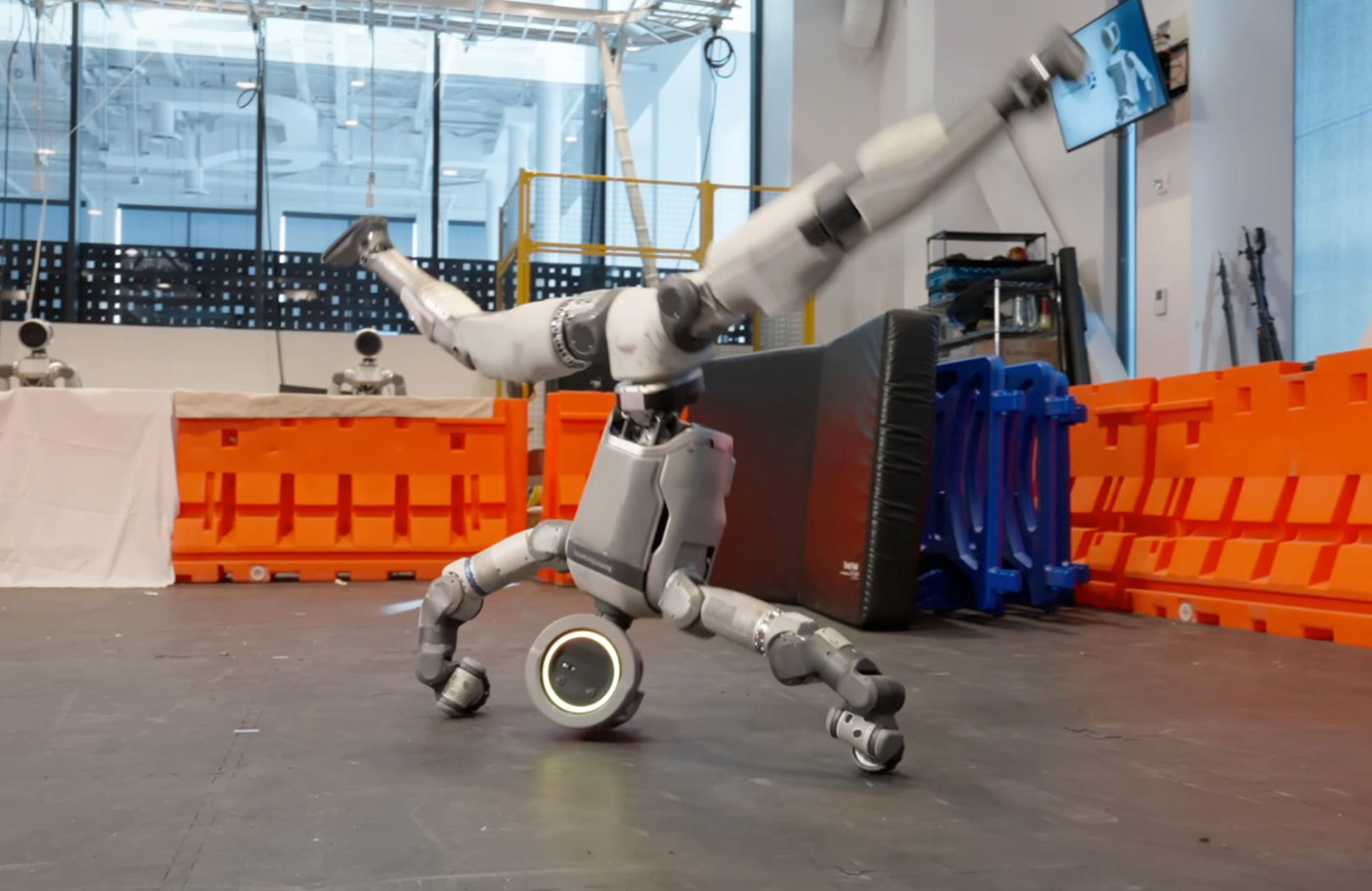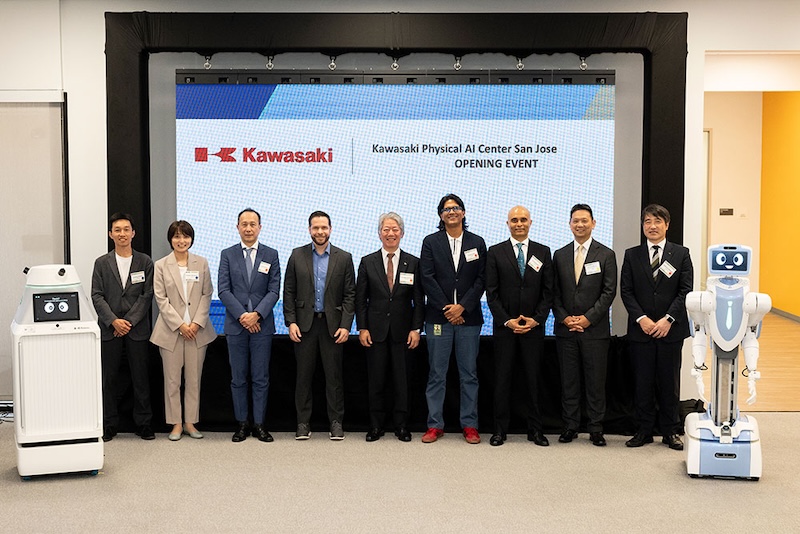
Kawasaki Heavy Industries has inaugurated a new center in Silicon Valley aimed at accelerating the deployment of physical AI technologies, marking a significant step in cross-border collaboration between Japanese and American companies in AI, semiconductors, and robotics. This development is crucial as industries worldwide grapple with labor shortages and the need for advanced automation solutions.
What Happened
Kawasaki's new facility, the Kawasaki Physical AI Center San Jose, was officially launched on May 21. The center is strategically located in the heart of Silicon Valley, a global hub for technological innovation. The center's primary focus will be on developing real-world applications for physical AI systems, particularly in healthcare and elder care sectors, which are increasingly affected by global demographic shifts such as aging populations and workforce shortages.
During the opening ceremony, Yasuhiko Hashimoto, president and CEO of Kawasaki Heavy Industries, emphasized the center's role in addressing global healthcare challenges. He outlined plans to create a "hospital one-stop solution" integrating physical AI with robotics to enhance the entire in-hospital experience, from patient arrival to post-care. This initiative highlights Kawasaki's commitment to not replacing human roles but augmenting them with AI technologies to improve efficiency and safety.
The center will collaborate with major technology partners including Nvidia, Analog Devices, Microsoft, and Fujitsu. Nvidia will assist in AI and robotics integration, Analog Devices will provide sensing and voice-recognition technologies, Microsoft will support cloud and AI platform infrastructure, and Fujitsu will focus on integrating AI with healthcare business systems.
Why It Matters for the AECM Industry
The establishment of the Kawasaki Physical AI Center is a significant development for the AECM industry, signaling a shift towards more integrated and intelligent systems in construction, engineering, and manufacturing. As the industry faces challenges such as labor shortages and the demand for more sustainable practices, the integration of physical AI could lead to more efficient project execution, reduced costs, and enhanced safety protocols.
For construction and manufacturing, the ability to deploy autonomous systems that can perceive, reason, and act in real-world environments offers a competitive edge. These technologies could streamline project management, optimize supply chains, and intro
Is your firm ready for what’s next?
VisioneerIT helps AECM and government contractors modernize operations, achieve compliance, and implement AI.
Explore VisioneerIT Solutions →