Project CETI, in collaboration with French robotics developer Alseamar, has introduced a groundbreaking method for tracking sperm whales using autonomous underwater gliders. This advancement signifies a major leap forward in marine life observation, presenting a quieter, more efficient alternative to traditional methodologies. The initiative is particularly timely as the demand for innovative, sustainable solutions in marine monitoring continues to grow.
What Happened
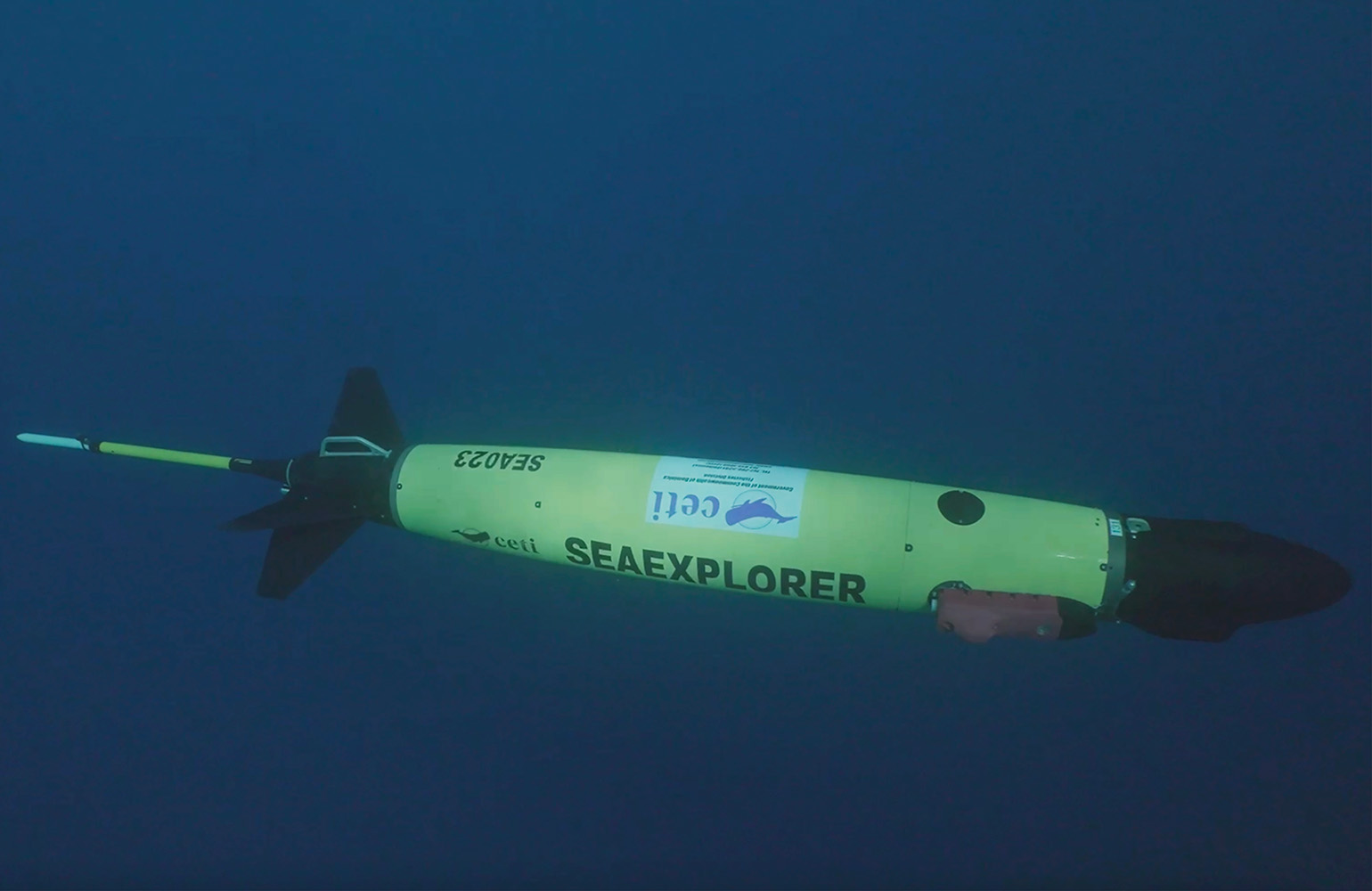
Project CETI, or the Cetacean Translation Initiative, recently deployed underwater gliders capable of following sperm whales by listening to their vocalizations. These gliders, developed in partnership with Alseamar, utilize a system called Backseat Driver that allows them to autonomously follow whales underwater, a task that was previously challenging due to the whales' deep diving behavior. Before this development, Project CETI relied on buoys, boats, and drones to attach tags to whales, but these methods had limitations in terms of duration and the ability to monitor interactions among whales.
The gliders are equipped with a custom-designed sensor stack, including four tetrahedral microphone arrays, enabling them to accurately detect whale sounds and determine their direction. The SEAEXPLORER glider, deployed in Dominica, marked its first use in this region, representing a significant milestone in long-term acoustic monitoring.
Why It Matters for the AECM Industry
The deployment of autonomous gliders in marine research exemplifies the increasing role of robotics and AI in enhancing observational capabilities while minimizing environmental disturbance. For the AECM industry, this highlights the potential for similar technologies to be applied in other domains such as construction, where autonomous systems could monitor structural integrity or environmental impacts with minimal human intervention. The energy-efficient nature of these gliders, capable of operating for up to six months on minimal power, underscores the importance of sustainable design in developing long-lasting solutions.
Additionally, the quiet locomotion of these gliders, achieved by adjusting buoyancy rather than using noisy propulsion systems, offers insights into how construction and engineering projects might adopt quieter, less intrusive technologies, thereby reducing their ecological footprint.
What's Next
As Project CETI continues to refine its glider technology, the focus will likely shift towa
Is your firm ready for what’s next?
VisioneerIT helps AECM and government contractors modernize operations, achieve compliance, and implement AI.
Explore VisioneerIT Solutions →