Parallel Systems, a Los Angeles-based startup, is making waves in the logistics industry by developing what it claims to be the world’s first autonomous freight train system. With the recent successful funding round raising approximately $100 million, the company is poised to transform freight transportation by integrating autonomous technology with rail infrastructure. This development comes at a crucial time as the logistics sector increasingly gravitates towards automation to enhance efficiency and reduce costs.
What Happened
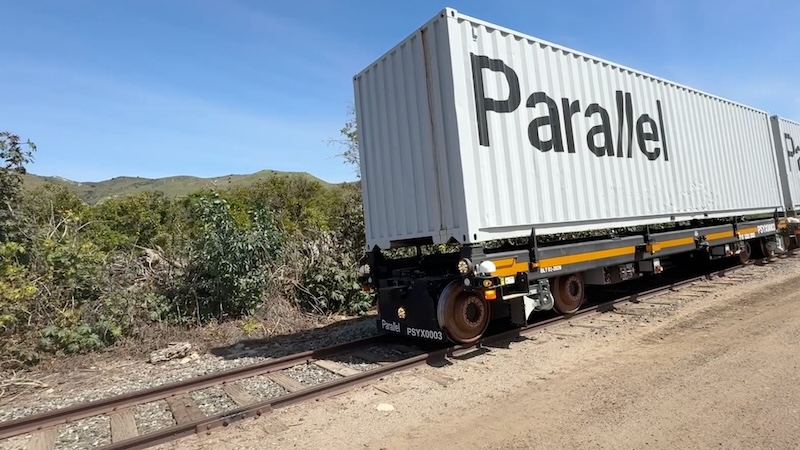
Parallel Systems, founded in 2020 by former SpaceX engineer Matt Soule, is advancing its mission to modernize freight rail. The company has been testing its autonomous rail vehicles in Georgia in collaboration with Genesee & Wyoming, with oversight from the Federal Railroad Administration. Unlike traditional freight trains, Parallel’s vehicles are autonomous, battery-electric rail cars designed to operate independently or in coordinated groups. Each rail car is equipped with its own motors, sensors, braking systems, cameras, lidar, and onboard computers. This allows for increased flexibility and efficiency in freight movement, particularly on short-distance routes.
The company’s technology is currently being tested on a 160-mile track between the Port of Savannah and Cordele, Georgia. These trials involve remote operations centers where human operators can monitor and intervene as necessary, ensuring safety and operational integrity. Parallel Systems plans to begin manufacturing its third-generation autonomous rail vehicles next year, marking a significant step towards commercialization.
Why It Matters for the AECM Industry
The introduction of autonomous freight trains represents a pivotal shift for the AECM industry, particularly in terms of logistics and supply chain management. For project managers and contractors, the cost savings and efficiency gains from reduced reliance on traditional freight methods could be substantial. By enabling smaller, more frequent shipments, autonomous rail systems promise to alleviate congestion in port areas and optimize the supply chain network.
Moreover, the shift from truck-dominated short-haul freight to autonomous rail could mitigate labor shortages and reduce road congestion, potentially lowering project delivery times and costs. For architects and engineers, this transition could lead to innovative design and construction methods that incorporate these new logistics capabilities.
Is your firm ready for what’s next?
VisioneerIT helps AECM and government contractors modernize operations, achieve compliance, and implement AI.
Explore VisioneerIT Solutions →