
Channel Robotics Secures $4.6M to Advance Endoscopic Robotics
Channel Robotics has raised $4.6 million to develop its AI-enabled endoscopic robotic platform, marking a significant advancement in medical robotics.
Channel Robotics has raised $4.6 million to develop its AI-enabled endoscopic robotic platform, marking a significant advancement in medical robotics.

Faraday Future's increased 2026 shipment target to 2,000 units highlights growth in AI robotics, offering significant opportunities for AECM professionals in project efficiency and federal contract advantages.

MuleHide appoints Ryan Baldwin as strategic account manager, signaling a focus on enhancing client relationships and expanding market presence.

Miami's approval of Oak View Group's management bid revives the historic Marine Stadium, offering opportunities in restoration and adaptive reuse for AECM professionals.

The CSB's report on the U.S. Steel explosion at Clairton Works reveals critical safety failures, urging manufacturing sectors to prioritize regulatory compliance and worker safety.
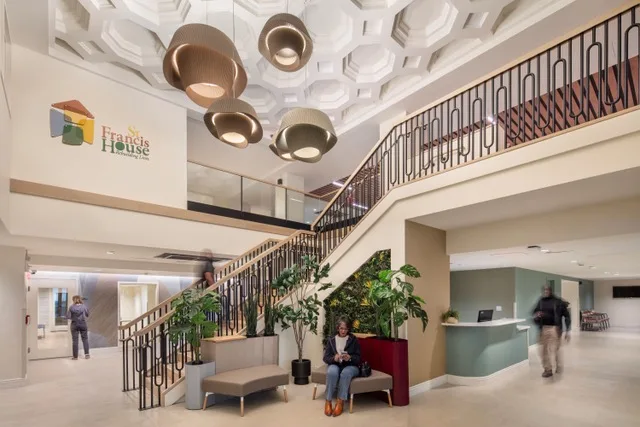
St. Francis House in Boston, the largest day shelter in New England, has undergone a transformative redesign by The Architectural Team (TAT), enhancing its functionality and user experience through trauma-informed design.
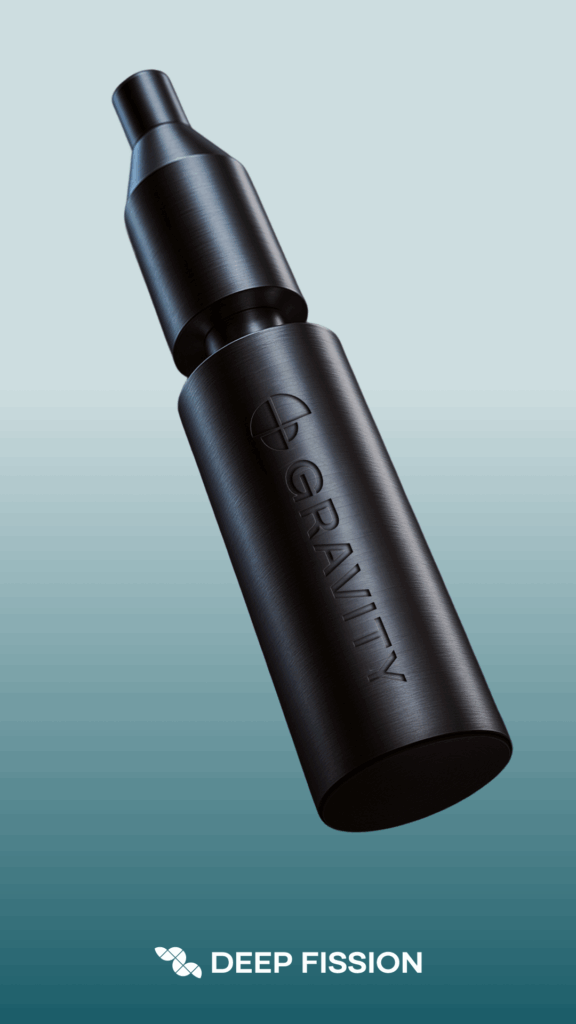
The DOE's approval of Deep Fission's SMR safety design marks a significant step in underground nuclear technology, with implications for future contracts and compliance in the energy sector.

AXCS Equipment introduces serial-specific QR codes, enhancing machine support and reducing downtime.

NJDOT's $86.1 million Route 18 project enhances traffic efficiency and safety, integrating advanced technology and infrastructure improvements.
