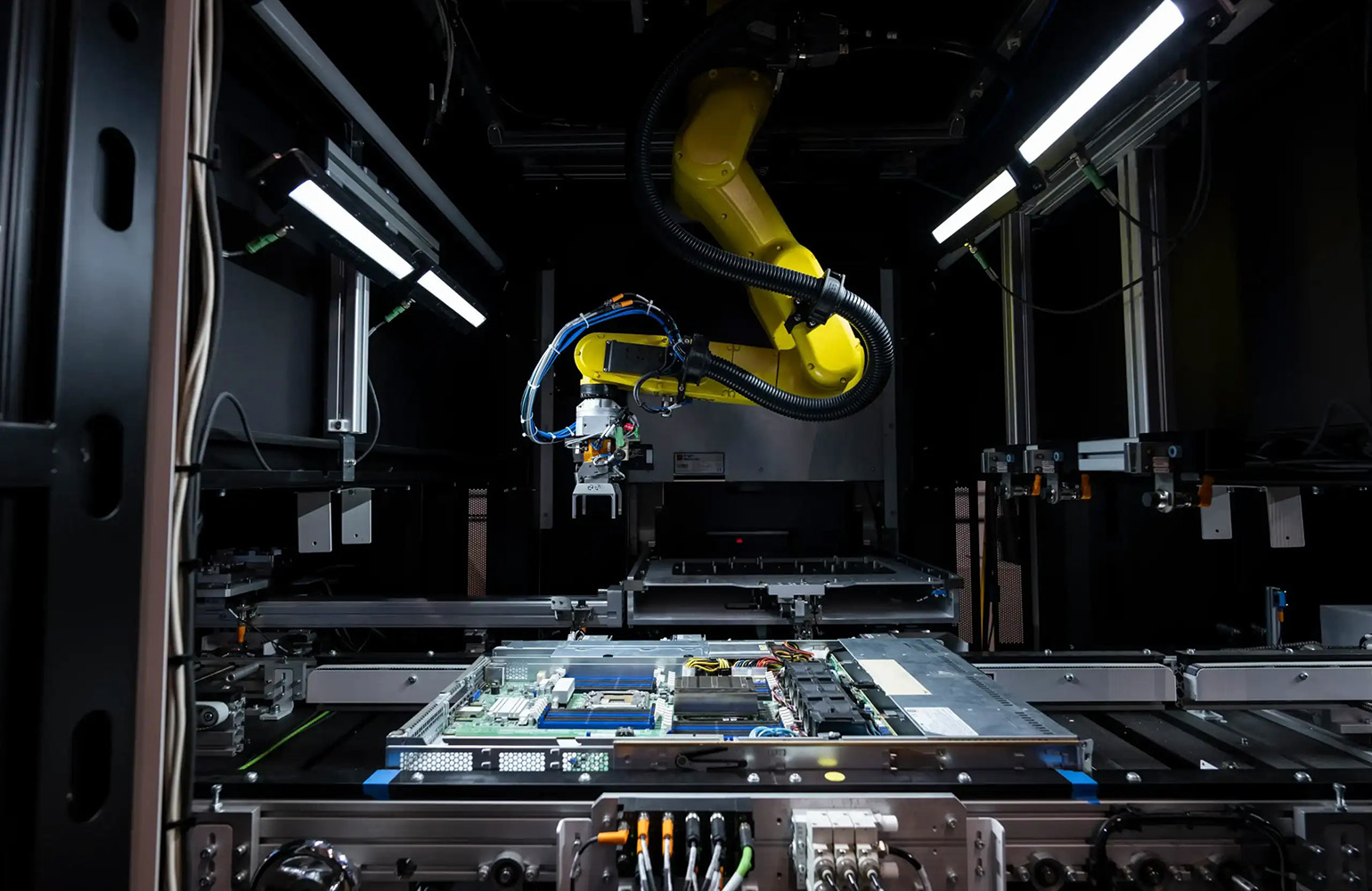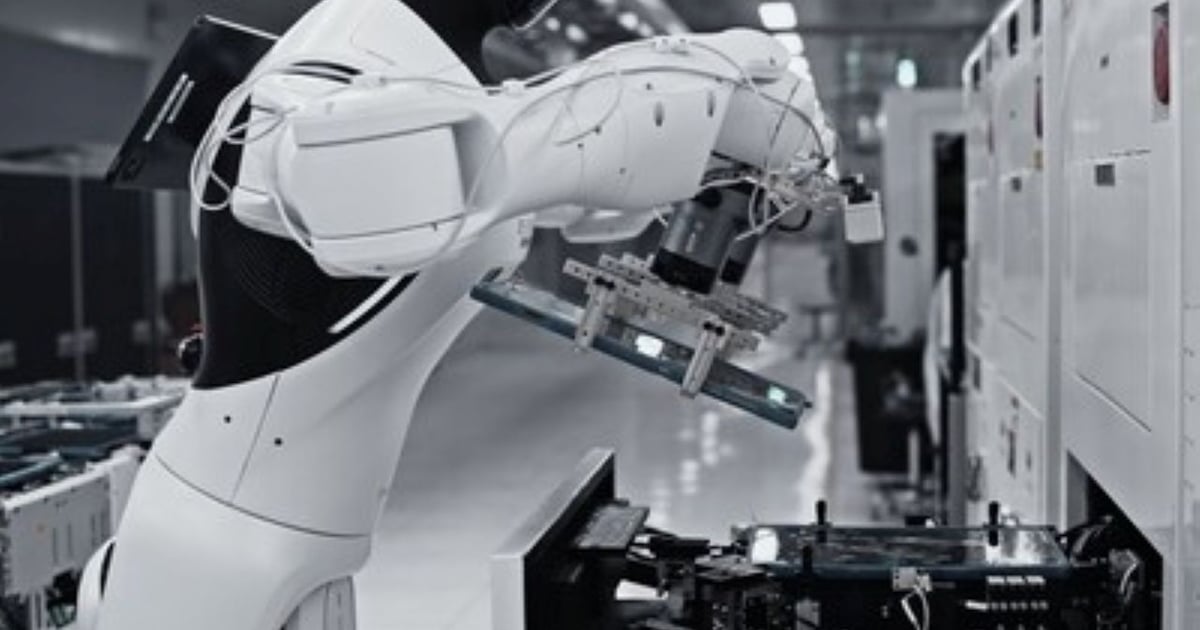
In a significant stride for the construction industry, a Chinese technology vendor has announced the deployment of what it claims is the first large-scale embodied AI system. This development marks a pivotal moment for construction professionals as AI technology begins to play a more prominent role on job sites.
What Happened
The Chinese vendor, whose name has not been disclosed, has launched an embodied AI system designed to optimize workflows and enhance efficiency on construction sites. This system represents a substantial leap in AI application within the industry, integrating advanced machine learning algorithms to manage and analyze vast amounts of data in real-time. The deployment is set to take place across several major infrastructure projects throughout China, with the initial phase already underway as of October 2023.
Embodied AI refers to systems that not only process information but also interact with their environment, making decisions and performing tasks autonomously. This deployment aims to address common challenges in construction, such as labor shortages and inefficiencies in project management. The system is expected to reduce human error and increase productivity by automating routine tasks and providing data-driven insights.
China has been at the forefront of AI innovation, with significant investments in technology to bolster its construction industry. This latest deployment could set a precedent for other countries looking to integrate AI into their construction processes.
Why It Matters for the AECM Industry
The introduction of embodied AI into construction has the potential to revolutionize the AECM industry. By automating routine tasks, this technology can significantly reduce labor costs and mitigate the impact of labor shortages, a persistent issue in the sector. This could result in faster project delivery times and improved resource allocation.
For project managers and engineers, the ability to access real-time data and analytics will enhance decision-making processes. The system can predict potential issues before they arise, reducing the risk of costly delays and rework. Moreover, the automation of data collection and analysis can free up skilled professionals to focus on more complex tasks, thereby increasing overall project efficiency.
This deployment also raises questions about the future role of human workers and the need for new skills and training programs. As AI systems become more prevalent, construction professionals will need to adapt to new technologies and workflows.
What's Next
As the initial phase of this deployment unfolds, industry professionals should closely monitor its impact on project outcomes and labor dynamics. The success of this system in China could influence global construction practices, encouraging other nations to adopt similar technologies.
Upcoming milestones to watch include the completion of the initial deployment phase and subsequent expansions to other regions and projects. Additionally, regulatory bodies may begin to establish new guidelines and standards for AI use in construction, impacting future deployments and integrations.
Construction professionals should prepare for a potential shift in industry standards and consider investing in training programs to equip their workforce with the necessary skills to work alongside advanced AI systems.
Is your firm ready for what’s next?
VisioneerIT helps AECM and government contractors modernize operations, achieve compliance, and implement AI.
Explore VisioneerIT Solutions →