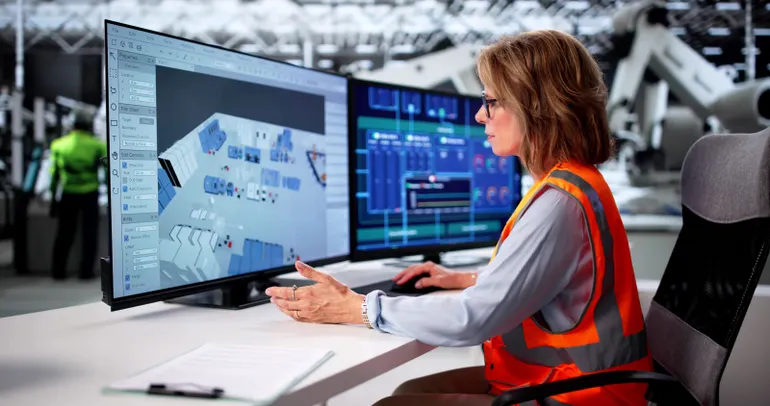
Chinese tech workers are increasingly facing pressures to document their workflows for AI automation, a trend that is causing anxiety and resistance among employees. Earlier this month, the emergence of a GitHub project called Colleague Skill, which claimed to replicate a worker’s skills and personality using AI, struck a nerve. Although the project was a spoof, it highlighted growing concerns about the impact of AI on job security and professional identity.
What Happened
The GitHub project Colleague Skill, despite being a parody, has resonated deeply with Chinese tech workers who are witnessing a push toward automation in their roles. Companies are employing tools like OpenClaw to automate workflows, leading to fears among workers of being replaced by AI agents. The project's claim to "distill" a worker’s skills into AI form has amplified these worries, prompting many employees to question their future roles in the industry.
Some workers have started taking action against this trend. They are using tools specifically designed to sabotage the automation process, attempting to preserve their jobs and prevent their skills from being reduced to mere lines of code. This pushback reflects a broader unease with how rapidly AI is being integrated into workplaces, often without clear guidelines or protections for the human workforce it might displace.
Why It Matters for the AECM Industry
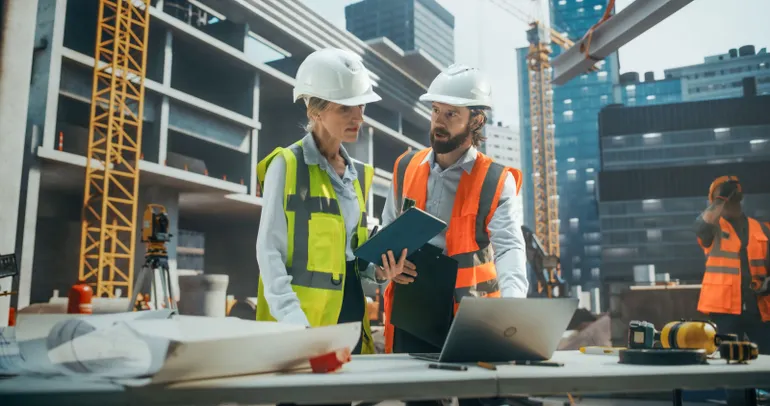
The automation trend is not limited to the tech sector; it has significant implications for the Architecture, Engineering, Construction, and Manufacturing (AECM) industries as well. As AI systems become more sophisticated, they are increasingly capable of handling tasks traditionally performed by skilled professionals in these fields. This could lead to a reduction in demand for certain human roles, driving changes in the labor market and potentially increasing unemployment rates.
For project managers and engineers, the integration of AI could alter project workflows and timelines. Automation might streamline certain processes, potentially reducing costs and increasing efficiency. However, it also raises the question of how to manage the transition for affected workers and ensure that AI complements rather than replaces human expertise.
Moreover, there's the risk of skill loss in the industry. As AI takes over routine tasks, there's a danger that the expertise and nuanced judgment of experienced professionals might be eroded over time, impacting the quality and safety of projects.
What's Next
Industry professionals should watch for developments in AI regulation and labor policies to understand how these changes might impact their work. Upcoming policy discussions and potential regulatory measures could shape the future of AI integration in the workplace.
In the meantime, companies might need to invest in retraining programs to help workers adapt to new roles alongside AI technologies. This could include developing hybrid roles where human oversight is critical, ensuring that AI tools are used ethically and effectively.
As the AECM industries navigate these changes, staying informed about AI advancements and their implications will be crucial for maintaining competitive advantage and safeguarding the workforce.
Is your firm ready for what’s next?
VisioneerIT helps AECM and government contractors modernize operations, achieve compliance, and implement AI.
Explore VisioneerIT Solutions →