GFT Technologies has unveiled a groundbreaking AI-powered robotic arm system for automotive manufacturing, capable of not only detecting but also physically handling defective parts on assembly lines. This innovation addresses a critical production gap, as most AI systems in manufacturing currently stop short at defect detection, requiring human intervention to address flagged issues.
What Happened
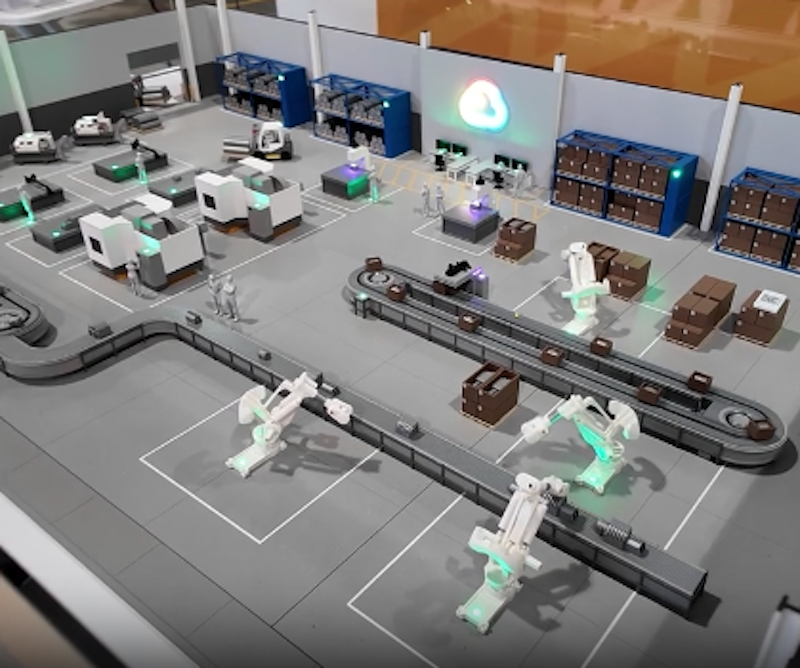
GFT Technologies, in collaboration with Google, has launched a suite of AI-driven robotic arms specifically designed for the auto manufacturing sector. These robotic systems are strategically stationed along assembly lines, where they perform comprehensive inspections and actively manage defective parts. The first robotic arm is equipped with a camera that captures multiple angles of each component, ensuring thorough inspection for defects, accurate labeling, and serial number verification. The second robotic arm marks defective parts for easy identification, while the third robotic arm takes physical action by repositioning misaligned components or removing defective parts from the line altogether. This system aims to minimize human error and reduce the risk of defective products progressing further in the production process.
Why It Matters for the AECM Industry
The integration of AI and robotics in manufacturing assembly lines holds significant implications for the AECM industry. By automating defect detection and intervention, manufacturers can drastically cut down on costly recalls, which can amount to tens of millions of dollars. This technology enhances production efficiency by maintaining high quality without slowing down the manufacturing pace. Additionally, the system's ability to conduct root cause analysis using cloud-stored images and data ensures continuous improvements in production processes. For construction and manufacturing professionals, adopting such advanced technologies could lead to reduced operational costs, improved product quality, and a stronger competitive edge in the market.
What's Next
As GFT continues to deploy its AI robotics solutions, industry professionals should monitor developments in AI integration on factory floors. The success of this technology with a large US-based auto manufacturer suggests a potential increase in adoption across the industry. Stakeholders in AECM should prepare for further advancements in robotics and AI that could reshape traditional manufacturing processes. Keeping an eye on policy changes and investments in smart manufacturing technologies will be cr
Is your firm ready for what’s next?
VisioneerIT helps AECM and government contractors modernize operations, achieve compliance, and implement AI.
Explore VisioneerIT Solutions →