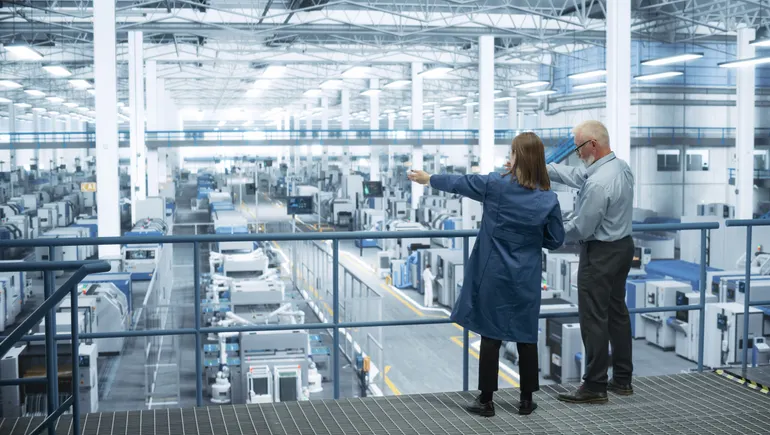
Humanoid robots are set to redefine the landscape of the global economy, according to Barclays Research's latest Equity Gilt Study. This shift towards physical AI, where humanoid robots extend artificial intelligence capabilities into physical tasks, is expected to drive significant changes in productivity, labor markets, and economic structures.
What Happened
In its 71st annual Equity Gilt Study, Barclays Research highlights the emergence of humanoid robots as a pivotal force in the ongoing automation revolution. These robots, enabled by advancements in AI, mobility, and battery systems, are designed to operate in human environments using existing tools and performing complete jobs rather than just isolated tasks. According to Barclays, the market for humanoid robots could reach $200 billion by 2035, as production costs decrease and deployment accelerates. In 2025, China accounted for 85% of humanoid robot deployments, leveraging its extensive manufacturing capabilities and state-backed industrial policies.
Why It Matters for the AECM Industry
For the Architecture, Engineering, Construction, and Manufacturing (AECM) industry, the rise of humanoid robots signifies a transformative shift. These robots could address labor shortages by performing complex tasks traditionally reserved for human workers, potentially filling up to 60% of workforce gaps in regions with aging populations by 2035. This shift could lead to increased productivity and efficiency, reducing project timelines and costs. Moreover, as humanoid robots become more prevalent, the industry might see changes in labor dynamics, necessitating new skills and training for workers to manage and collaborate with robotic systems. Additionally, the integration of humanoid robots could influence supply chains and project management strategies, as the focus shifts towards leveraging robotic capabilities for competitive advantage.
What's Next
The trajectory of humanoid robots in the economy suggests several key developments to watch. As China continues to lead in robot deployment, other regions may accelerate their investments in robotics to remain competitive. For industry professionals, staying informed about advancements in robotic technology and preparing for the integration of humanoid robots into workflows will be crucial. Upcoming po
Is your firm ready for what’s next?
VisioneerIT helps AECM and government contractors modernize operations, achieve compliance, and implement AI.
Explore VisioneerIT Solutions →