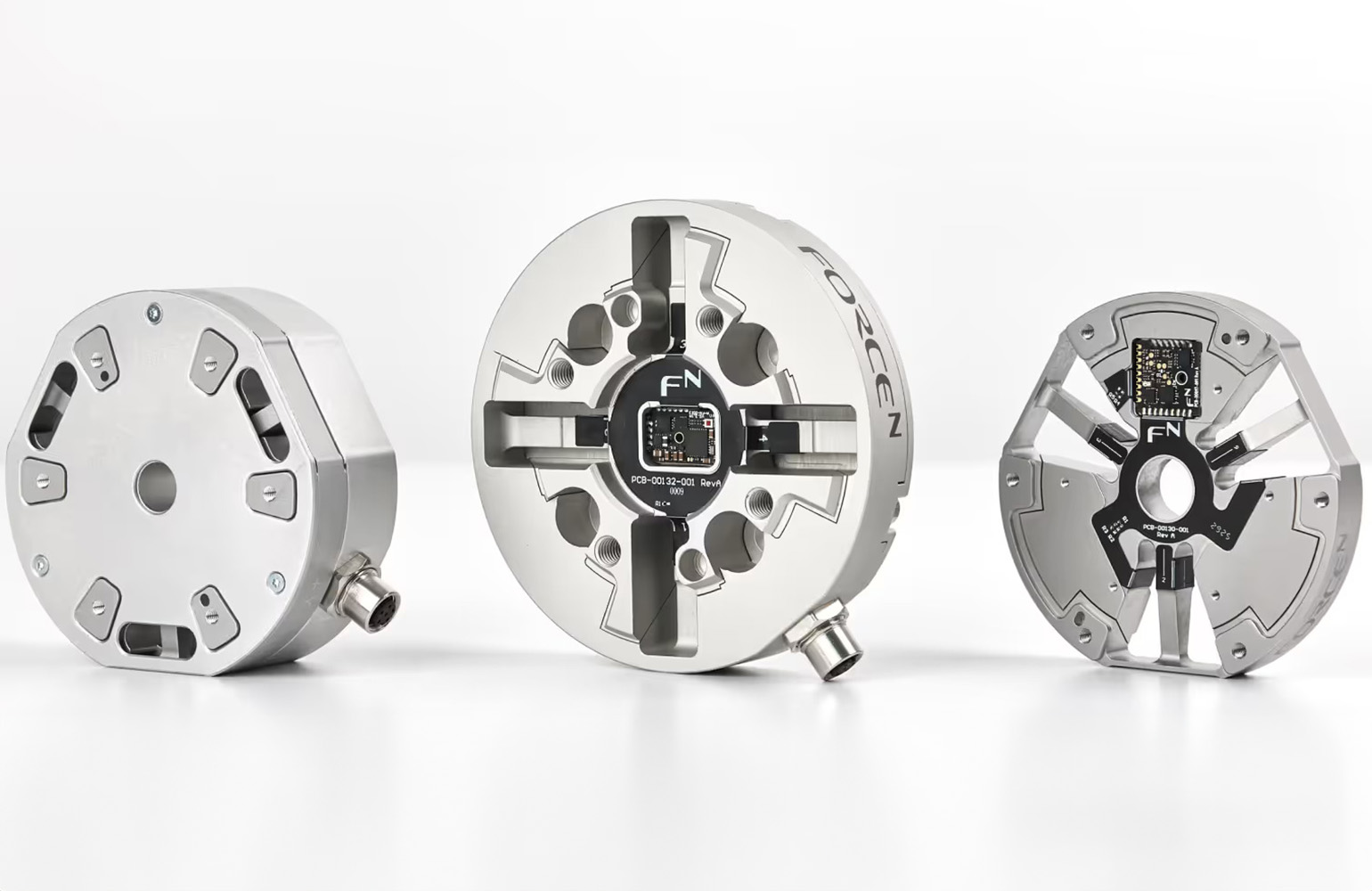
XELA Robotics has announced its latest advancements in tactile sensing technology, which will be showcased at the 2026 Robotics Summit & Expo in Boston this week. These developments include innovations in sensor hardware, software, and integration capabilities that could significantly impact automation in manufacturing and construction.
What Happened
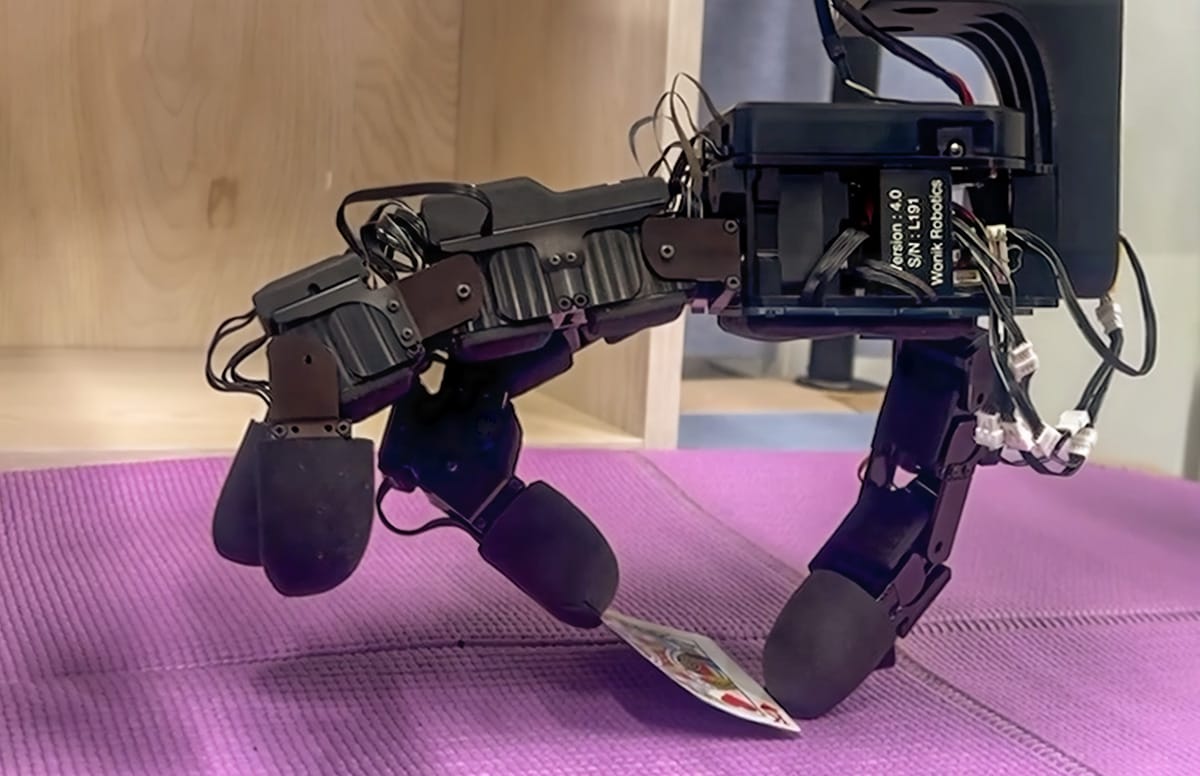
XELA Robotics, in collaboration with Waseda University, is set to demonstrate its cutting-edge tactile sensing innovations across three major events in May and June 2026. The company's standout feature is a robotic fingertip equipped with a six-axis, force-sensitive nail, which includes 30 tri-axial force sensing points. This technology enables robots to perform complex tasks such as picking up thin cards and scraping tape from surfaces autonomously after a human demonstration. Additionally, XELA has integrated its uSkin technology into the Universal Manipulation Interface (UMI), which facilitates AI-driven human-robot skill transfer.
Another significant advancement is the company's magnetic interference compensation technology, which effectively removes complex magnetic interference, crucial for handling ferromagnetic materials in industrial settings. XELA's uSkin sensors also boast enhanced capabilities for grasping delicate objects, facilitated by improved software and machine vision. Visitors to the expo can witness these technologies in action through demonstrations involving a paper origami crane and a quail egg.
Why It Matters for the AECM Industry
For professionals in architecture, engineering, construction, and manufacturing, XELA's innovations represent a leap forward in robotics' ability to perform delicate and precise tasks. The enhanced tactile sensing capabilities could streamline operations involving sensitive materials, reduce damage during robotic handling, and improve efficiency in complex tasks. This is particularly relevant for sectors where precision and adaptability are critical, such as in the handling of fragile construction materials or the assembly of intricate architectural components.
The ability to compensate for magnetic interference also opens new possibilities for handling metal components without the risk of magnetic disruptions, thus en
Is your firm ready for what’s next?
VisioneerIT helps AECM and government contractors modernize operations, achieve compliance, and implement AI.
Explore VisioneerIT Solutions →