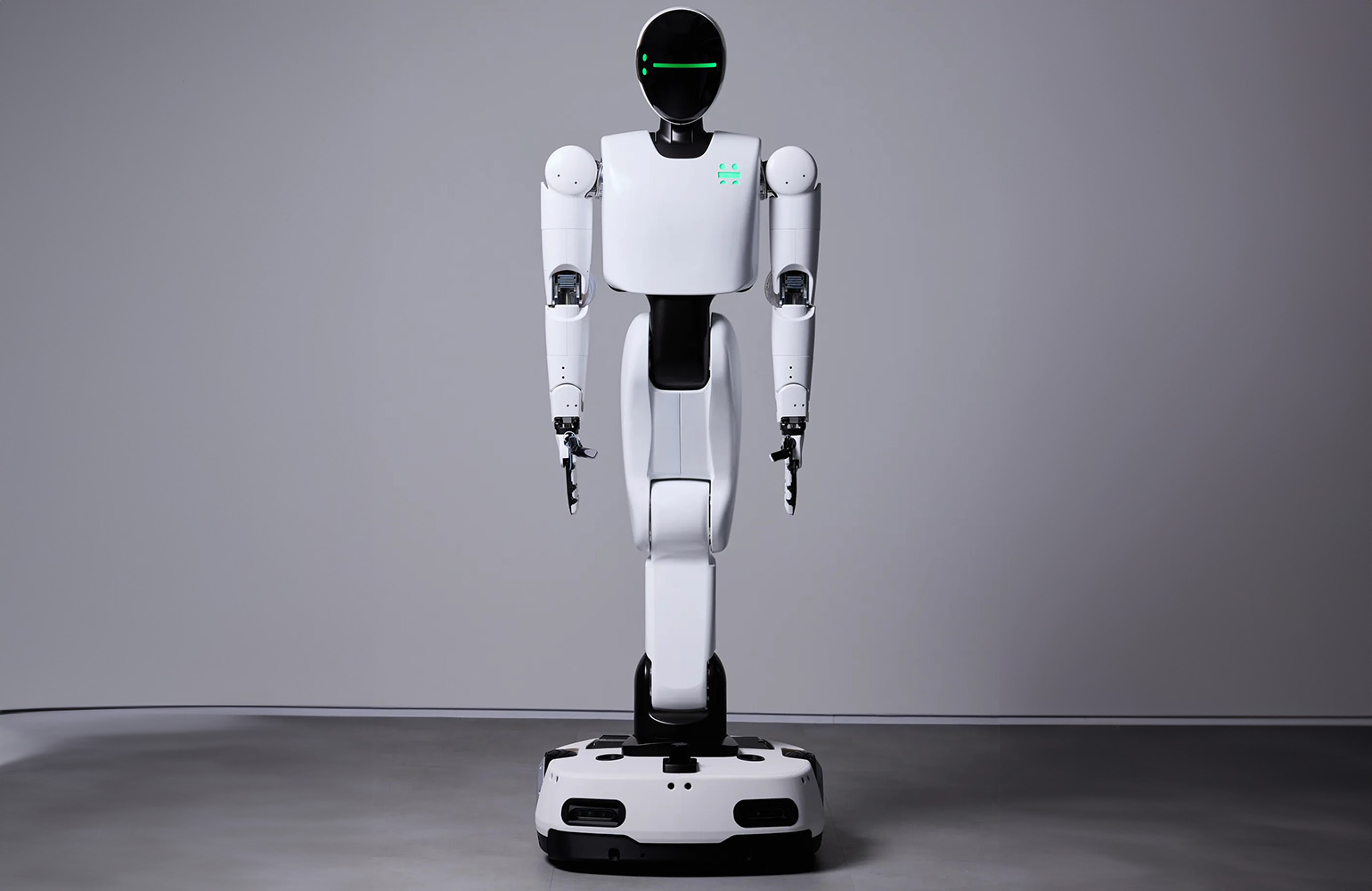
Warehouse operators are increasingly investing in intelligent software systems to enhance their robotic operations, according to a recent report by Supply Chain Dive. As the industry faces mounting pressure to improve efficiency and reduce costs, integrating AI and advanced software into warehouse robotics has become a strategic imperative.
What Happened
Warehouse operators have begun implementing AI-driven software to optimize robotic processes, aiming to streamline operations and enhance productivity. These advancements allow for better coordination and management of robotic systems, which are now integral to modern warehouse operations. By leveraging AI, warehouses can improve order accuracy, speed up picking processes, and reduce operational errors. This trend reflects a broader shift towards automation in the warehousing sector, driven by the need to meet increasing consumer demand and manage labor shortages.
Why It Matters for the AECM Industry
For the AECM industry, the integration of AI and software in warehouse robotics represents a significant shift in manufacturing and supply chain dynamics. As robotics become more sophisticated, the demand for precision engineering and innovative architectural solutions will grow. This evolution necessitates a reevaluation of current practices in warehouse design and construction to accommodate advanced robotic systems. Additionally, the focus on automation and AI could lead to more efficient use of materials, reducing waste and promoting sustainability in the construction of new facilities. For manufacturers, these advancements offer opportunities to improve production efficiency and reduce costs, potentially reshaping competitive dynamics in the industry.
What's Next
As AI and software continue to evolve, the warehouse robotics sector is expected to see further advancements in the coming years. Industry professionals should watch for new developments in AI algorithms that could enhance the capabilities of robotic systems. Additionally, ongoing investment in software platforms that facilitate seamless integration with existing warehouse operations will be crucial. Stakeholders should also monitor regulatory changes that might impact the deployment of AI-driven technologies in warehousing and manufacturing processes.
Is your firm ready for what’s next?
VisioneerIT helps AECM and government contractors modernize operations, achieve compliance, and implement AI.
Explore VisioneerIT Solutions →