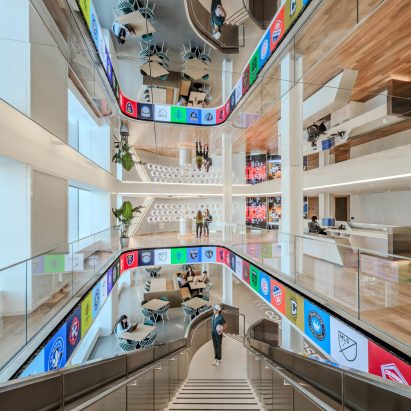
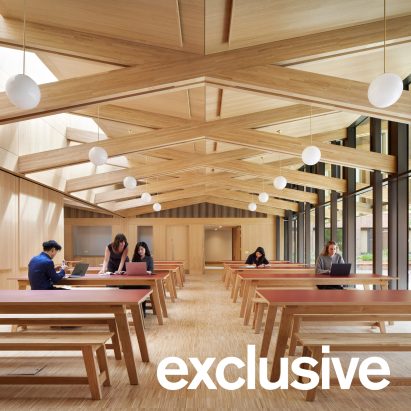
The University of Calgary’s School of Architecture, Planning and Landscape (SAPL) has found a new home in the heart of downtown Calgary, transforming a 1982 office tower into a vibrant academic hub. This development not only revitalizes a key urban area but also underscores the potential of adaptive reuse in urban planning.
What Happened
The Valentine building at 801 7 Avenue S.W., originally designed by Fred Valentine, has been repurposed from an abandoned oil and gas headquarters into a dynamic space for education. HCMA Architecture + Design led the CAD$30-million transformation, which was completed in January 2026. The project is part of Calgary’s Downtown Post-Secondary Institution Incentive Program, which aims to breathe new life into the city’s core by encouraging educational institutions to establish themselves downtown. The initiative is one of several programs designed to convert empty office spaces into functional areas. The Valentine building now hosts SAPL across nine lower levels and an additional annex, spanning a total of 16,722 square meters. This move not only consolidates SAPL’s previously scattered locations but also aligns with the city’s broader strategy to invigorate the urban landscape.
What This Means for Your Business
For stakeholders in the architecture, engineering, and construction (AEC) sectors, the SAPL project exemplifies the lucrative potential of adaptive reuse. As cities across North America grapple with vacant office spaces post-pandemic, similar conversions could offer significant opportunities. The success of Calgary’s Downtown Office Conversion Program, which has already transformed 2.68 million square feet of office space into residential and communal living areas, highlights a growing market for innovative reuse solutions. Businesses specializing in sustainable design and construction stand to benefit from increased demand for projects that align with urban revitalization and economic recovery goals.
What US Operators Should Watch
Stakeholders should monitor the continued rollout of similar incentive programs in urban centers facing high vacancy rates. The Calgary model illustrates the effectiveness of government-backed funding in stimulating downtown revival efforts. For US-based companies, keeping an eye on federal and local funding opportunities for adaptive reuse projects could unlock new business avenues. Additionally, tracking trends in post-secondary education infrastructure investment may reveal further opportunities for AECM firms to engage in large-scale urban development projects.
Source: https://www.azuremagazine.com/article/an-architecture-school-takes-over-a-calgary-tower-with-a-colour-coded-design-by-hcma/. Read the original story ->
Is your firm ready for what’s next?
VisioneerIT helps AECM and government contractors modernize operations, achieve compliance, and implement AI.
Explore VisioneerIT Solutions →