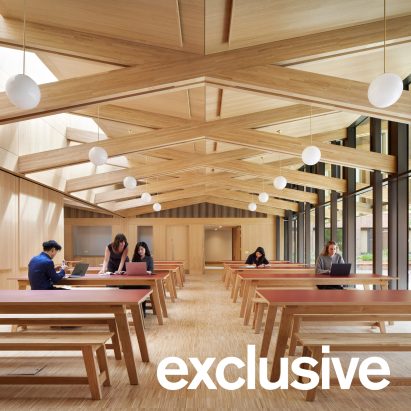
Architectural firm Stanton Williams has unveiled its latest project: two new boarding houses designed to seamlessly integrate with the historic architecture of Winchester College. This marks a significant development for the institution, which has not seen a new boarding complex since 1912. For AECM professionals, this project underscores the evolving architectural strategies that respect historical contexts while meeting modern needs.
What Happened
Stanton Williams, an award-winning architecture studio, has completed two boarding houses for girls at Winchester College, a prestigious institution founded in 1382. The new buildings are designed to harmonize with the college's historic layout, featuring gabled brick structures that wrap around courtyards. This design not only respects the traditional architectural vernacular of the 640-year-old site but also supports the cultural ethos of the college. This project is particularly noteworthy as it is the first new boarding complex at Winchester College in over a century, reflecting a careful balance between preserving heritage and accommodating contemporary educational needs.
What This Means for Your Business
For those in the AECM and government contracting sectors, this project highlights the importance of integrating new constructions within historical settings. The successful completion of the boarding houses at Winchester College demonstrates how modern facilities can be developed to enhance historical sites without compromising their integrity. This approach can be particularly beneficial for firms involved in projects where historical preservation is a priority, offering a competitive edge in bidding processes that require sensitivity to cultural context. Moreover, the project exemplifies the potential for increased ROI through the development of facilities that meet both present-day requirements and historical preservation standards.
What US Operators Should Watch
US operators should take note of the growing trend towards architectural designs that honor historical settings. This trend is likely to influence future government contracts and procurement processes, where historical preservation is a key consideration. Staying informed about similar projects and their compliance with preservation regulations can provide valuable insights for future bids and help ensure alignment with federal guidelines. Additionally, operators should monitor any federal funding opportunities that support projects integrating modern functionality with historical preservation.
---
Source: https://www.dezeen.com/2026/09/29/stanton-williams-winchester-college/. Read the original story ->
Is your firm ready for what’s next?
VisioneerIT helps AECM and government contractors modernize operations, achieve compliance, and implement AI.
Explore VisioneerIT Solutions →