
Intel Secures FCC Waiver to Use Foreign Robots Amid U.S. Ban
Intel receives a crucial FCC waiver to use foreign robots amid a U.S. ban, impacting semiconductor manufacturing and highlighting regulatory compliance challenges.
Intel receives a crucial FCC waiver to use foreign robots amid a U.S. ban, impacting semiconductor manufacturing and highlighting regulatory compliance challenges.

Angel Care Medical's new $2.3 million headquarters in Ohio expands its service capacity in durable medical equipment, impacting the manufacturing and healthcare sectors.

Panel-level processing is becoming essential in AI chip packaging, offering a scalable and efficient solution over traditional wafer methods.

Kemppi's FastBeam 3 introduces a 3-kW handheld laser welding system, enhancing efficiency and precision for materials like steel and aluminum. This innovation is set to impact AECM industries by offering improved welding speeds and controlled heat input.

ISCAR Canada has opened a new machining learning centre, enhancing manufacturing capabilities and workforce training in North America.

The transportation sector struggles with AI adoption due to a disconnect between executive optimism and operational skepticism. Aligning AI investments with operational needs and compliance requirements can bridge this gap and enhance competitive positioning.
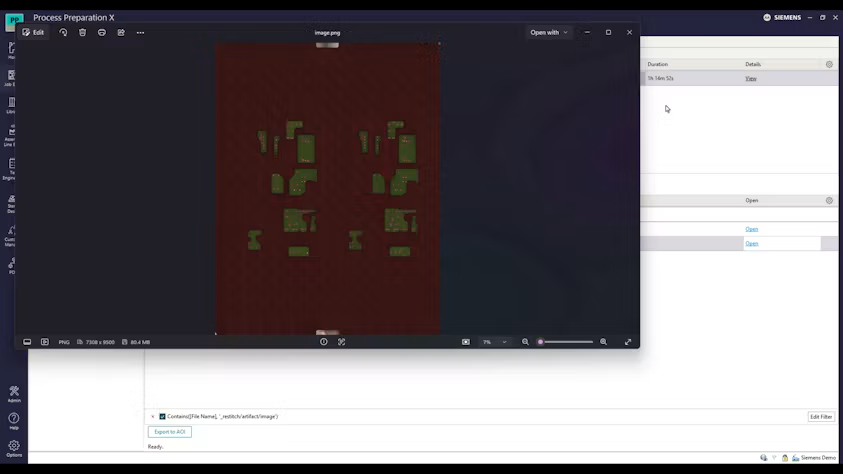
Siemens and NVIDIA's new AI workflow for PCB inspection uses digital twins and synthetic images to enhance manufacturing efficiency and precision.

AMD and Intel have partnered to optimize AI development on x86 CPUs using PyTorch, streamlining processes for developers and enhancing AI application performance.
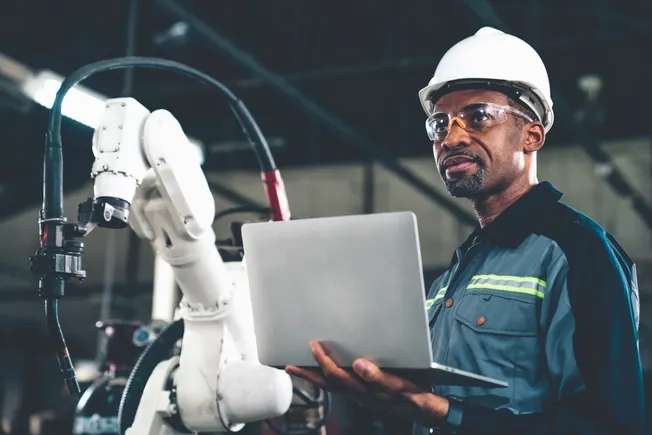
Manufacturers are moving beyond AI adoption to face the challenge of scaling AI infrastructure across diverse operational environments. This shift demands robust infrastructure solutions and compliance with standards, offering new opportunities and competitive advantages.
