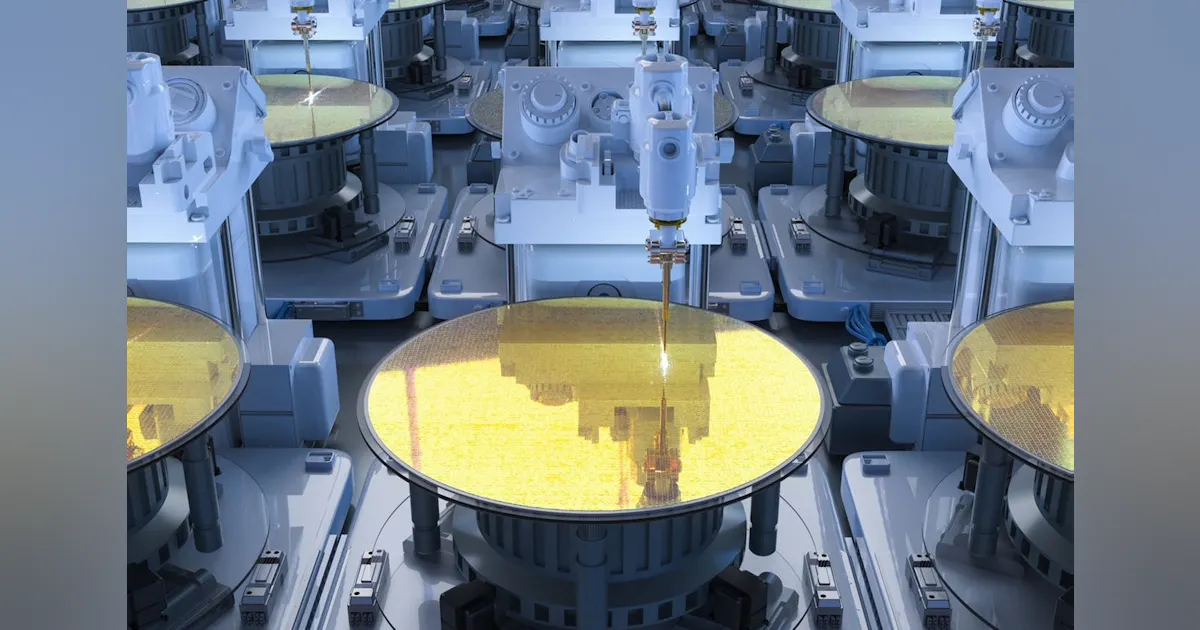
Semiconductor Industry Embraces Digital Twins for Streamlined Operations
The semiconductor industry is increasingly adopting digital twins to streamline design, manufacturing, and operations, driven by Siemens AG's digitalization strategy.
The semiconductor industry is increasingly adopting digital twins to streamline design, manufacturing, and operations, driven by Siemens AG's digitalization strategy.
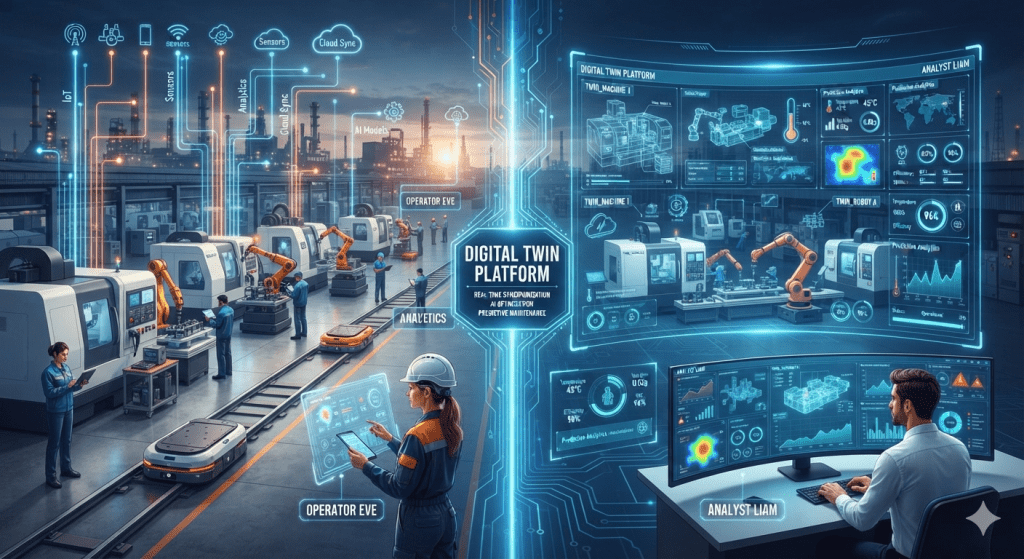
Digital twins are shifting from monitoring tools to autonomous systems in 2026, transforming engineering processes and offering new opportunities for US businesses in the AECM sector.

Engineering controls and automation are transforming safety protocols in AECM, promising enhanced protection and operational efficiency.
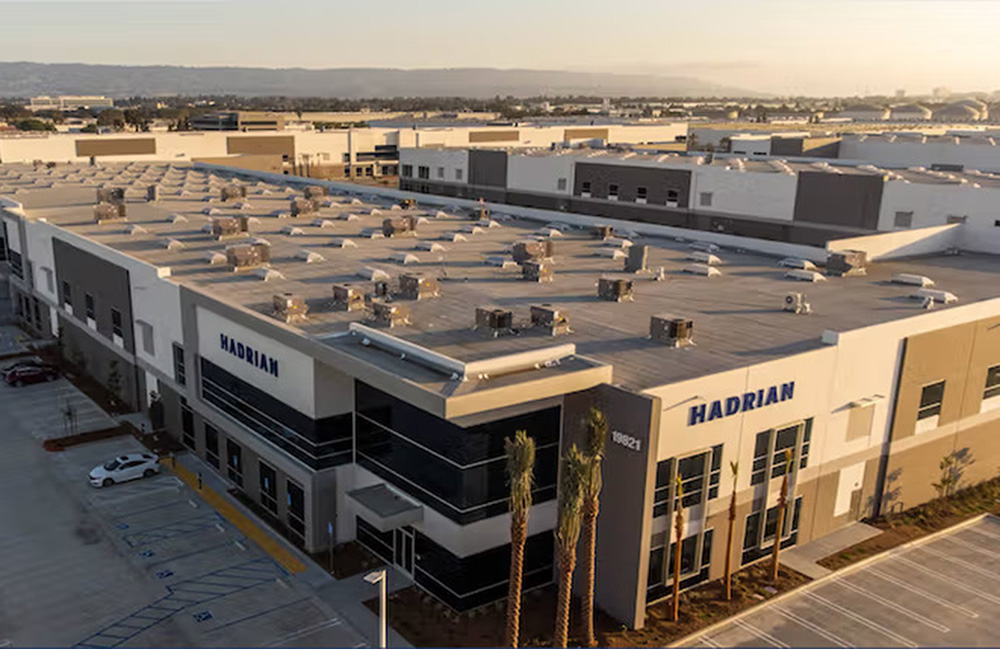
Hadrian Automation's $1.37 billion funding round aims to expand U.S. defense and aerospace manufacturing, enhancing domestic production capabilities through AI and robotics. This move presents new opportunities for AECM professionals in procurement and compliance.
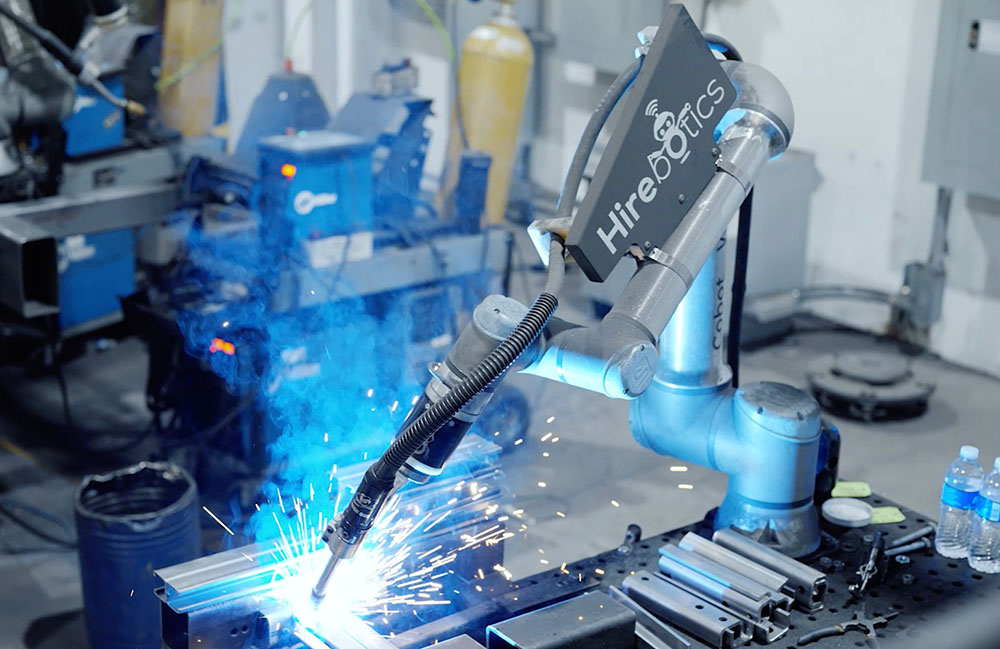
Tate Inc. deploys 58 Hirebotics cobot welders across multiple facilities, enhancing productivity and precision in data center infrastructure manufacturing.

The Eastgate Regional Council of Governments launches a study to identify housing opportunities in Mahoning Valley amid a 15% rise in contractor man hours, signaling a construction boom.

Ahold Delhaize and Americold halt plans for automated warehouses, impacting supply chain strategies.

Clorox anticipates a $200 million cost increase from inflation, driven by rising energy, commodity, and logistics expenses, highlighting significant supply chain challenges for manufacturers.
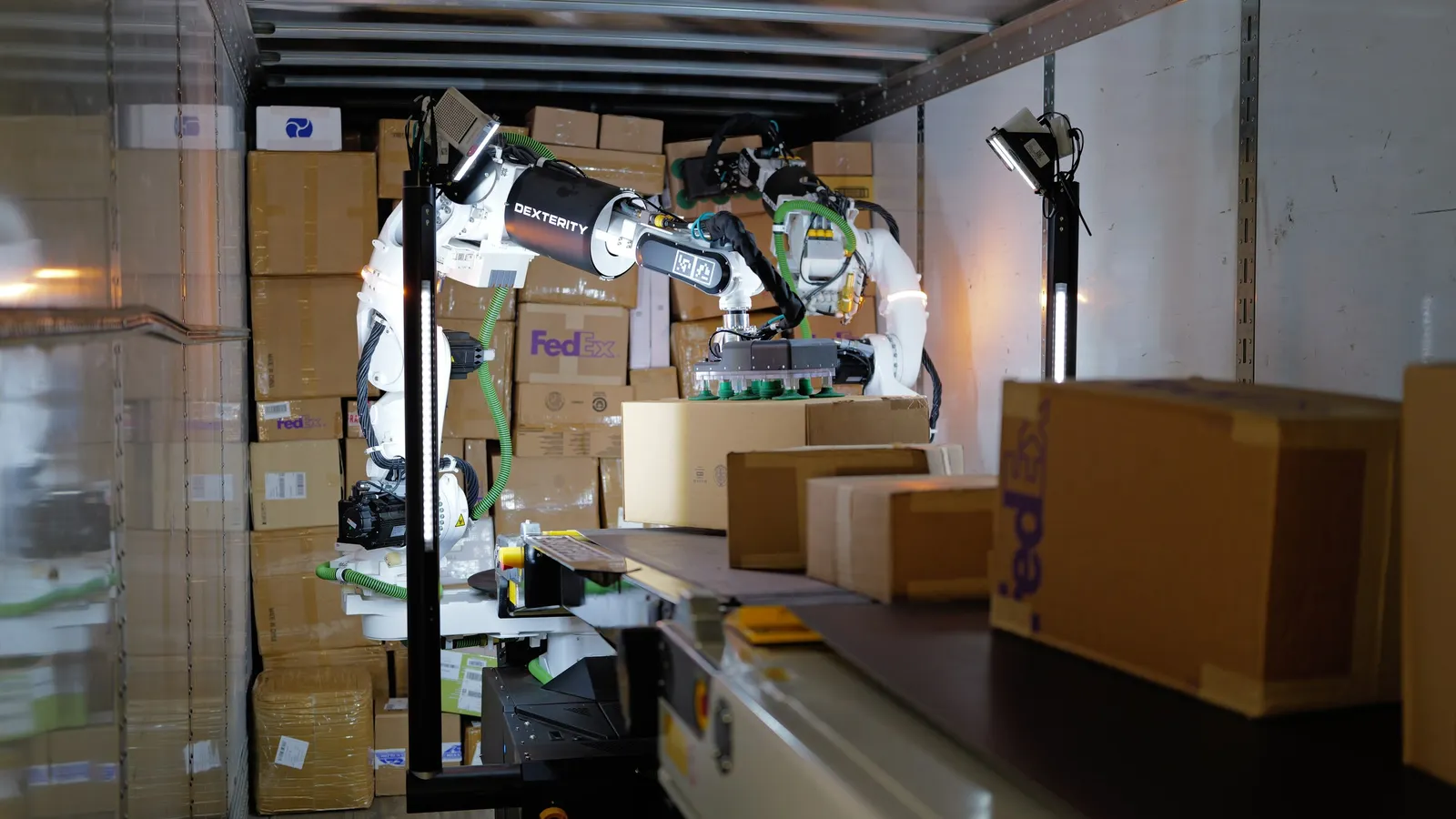
FedEx and Amazon are significantly expanding their use of robotic arms, marking a major shift towards automation in logistics.
