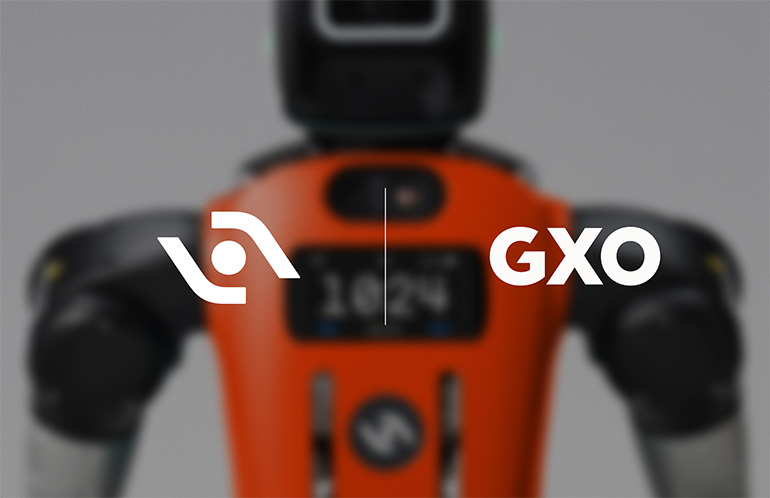
Intel has received a critical one-year waiver from the Federal Communications Commission (FCC), allowing the chipmaker to continue using and modifying foreign-produced automated guided vehicles (AGVs) in its U.S. operations. This decision comes on the heels of a new FCC regulation banning the import and sale of specific foreign-made robotics, aimed at mitigating national security risks.
What Happened
The FCC granted Intel's waiver on October 22, 2026, following the company's petition to avoid operational disruptions in its semiconductor manufacturing processes. The waiver allows Intel to use foreign-made AGVs, which the company claims have no domestic alternatives, for a year. This development is significant as the FCC's recent regulation, introduced in July, added industrial robots to a list of equipment that pose security risks, effectively blocking their importation and sale in the U.S. unless previously authorized. Intel's move to secure the waiver underscores the critical nature of these AGVs to its operations and highlights the broader industry's challenges in adapting to new regulatory landscapes.
The FCC's decision to restrict foreign robotics aligns with growing concerns over China's potential to use such technologies for surveillance and data acquisition. These restrictions are part of a broader strategy to encourage nearshoring of robotics manufacturing. However, the sudden imposition of these restrictions has left companies like Intel scrambling, as the domestic market for advanced robotics remains underdeveloped.
What This Means for Your Business
For AECM professionals and government contractors, Intel's waiver highlights several key considerations. First, the reliance on foreign robotics and the lack of domestic alternatives could lead to operational challenges and increased costs as companies navigate these new restrictions. Businesses should evaluate their supply chains and consider investing in the development of domestic robotics solutions to mitigate similar risks.
Compliance with federal regulations, including the FCC's covered list, will be critical. Companies should stay informed about updates to the list and ensure their products and operations remain compliant. This may involve seeking waivers or modifying operations to align with regulatory requirements. The need for robust compliance strategies is underscored by the FCC's decision, which could influence future procurement and investment decisions.
Moreover, the waiver indicates potential federal funding opportunities for companies investing in domestic robotics development. AECM firms should explore partnerships and collaborations to advance domestic manufacturing capabilities, potentially opening new revenue streams and enhancing competitive positioning.
What US Operators Should Watch
Operators should closely monitor the FCC's regulatory timelines, especially as the current waiver expires in October 2027. The FCC's broader waiver allowing software and firmware updates to certain robotics extends until January 1, 2029, offering some reprieve. Companies should track these deadlines and prepare for potential regulatory changes that could impact their operations.
Additionally, the evolving landscape offers opportunities for those positioned to lead in the domestic robotics space. Staying ahead of regulatory changes and investing in compliance and development could provide a competitive edge as the U.S. market adapts to these new realities.
Source: Manufacturing Dive
Is your firm ready for what’s next?
VisioneerIT helps AECM and government contractors modernize operations, achieve compliance, and implement AI.
Explore VisioneerIT Solutions →