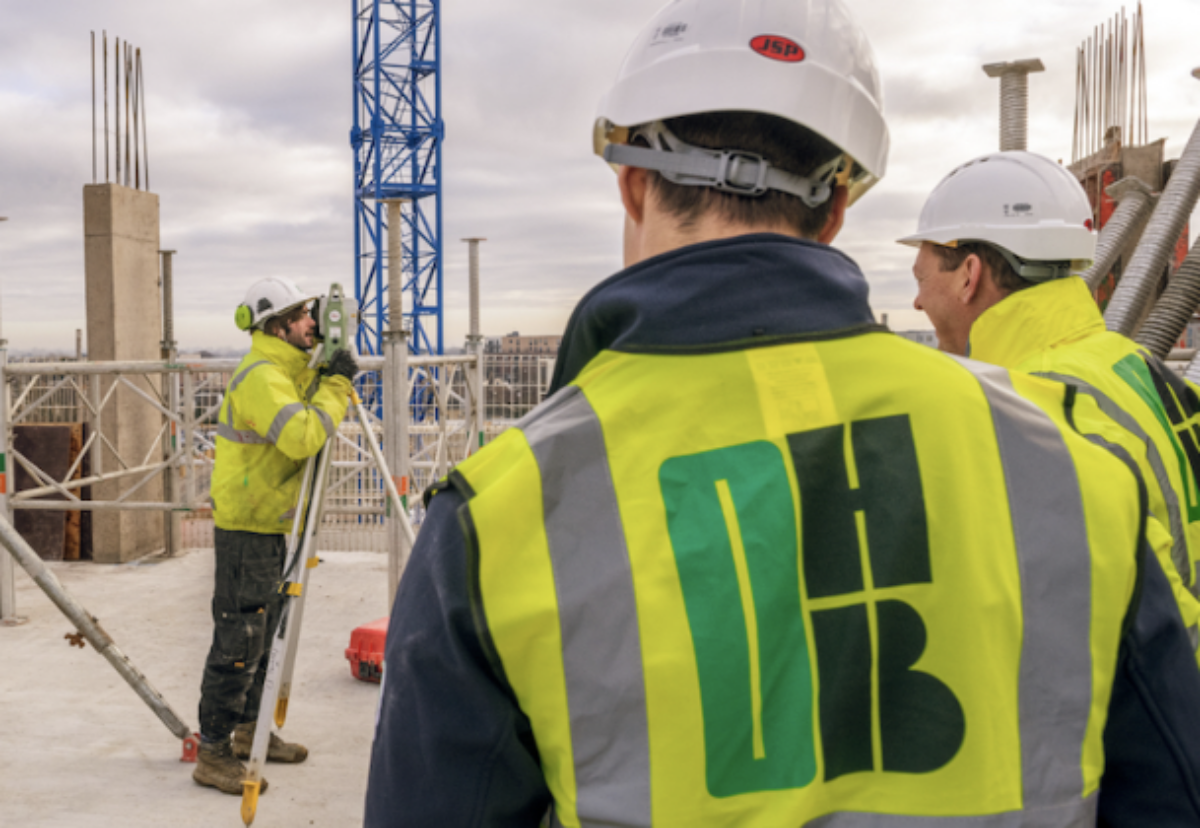
OHOB Holdings Plans Expansion as Building Safety Act Delays Ease
OHOB Holdings is set to expand as planning delays under the Building Safety Act ease, offering opportunities for growth in the UK construction market.
OHOB Holdings is set to expand as planning delays under the Building Safety Act ease, offering opportunities for growth in the UK construction market.
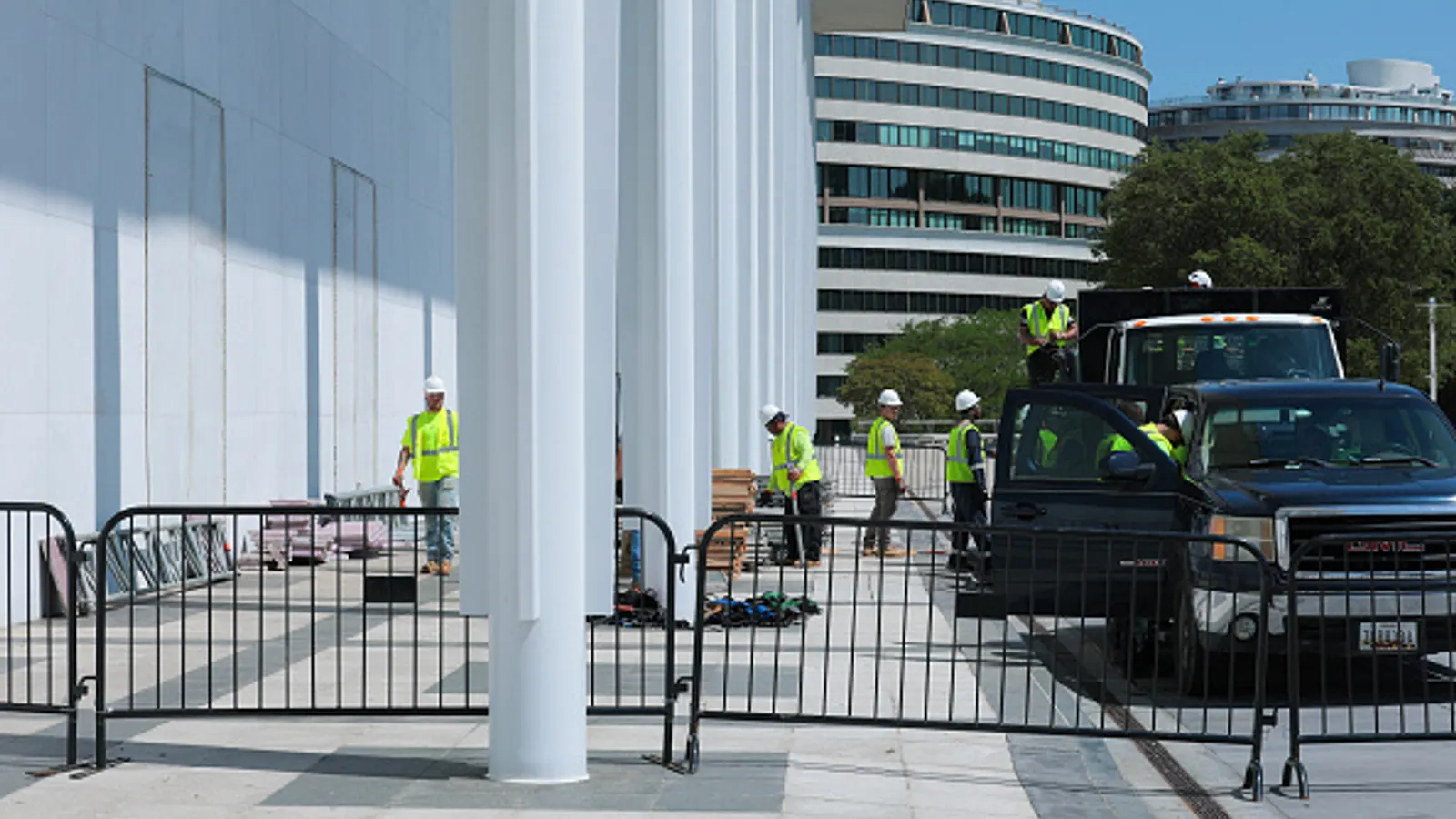
Whistleblowers allege shoddy repair work at the Kennedy Center, raising compliance and quality assurance concerns for the AECM industry.
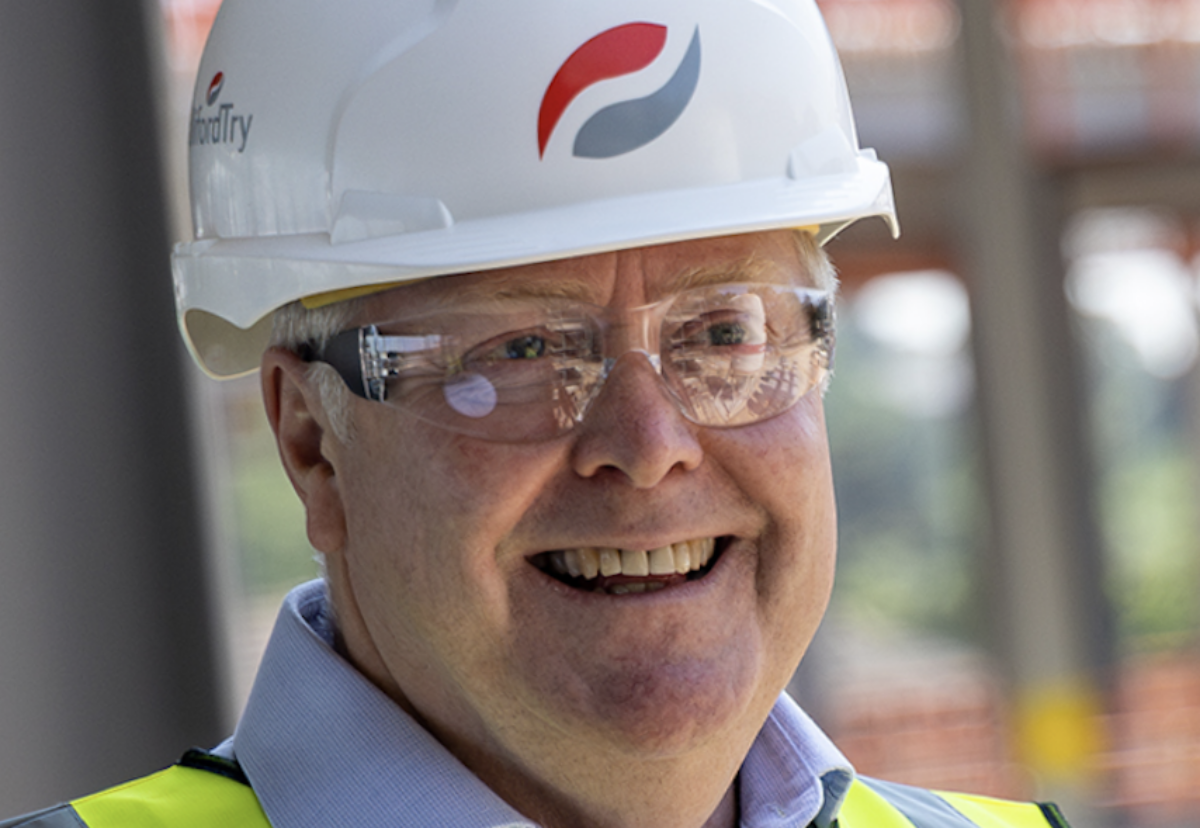
Galliford Try anticipates strong profit growth and a robust order book, presenting opportunities for US AECM firms in the UK market.

Infortrend's expanded edge computing solutions for AI workloads offer AECM sectors enhanced data processing capabilities, improving efficiency and compliance.
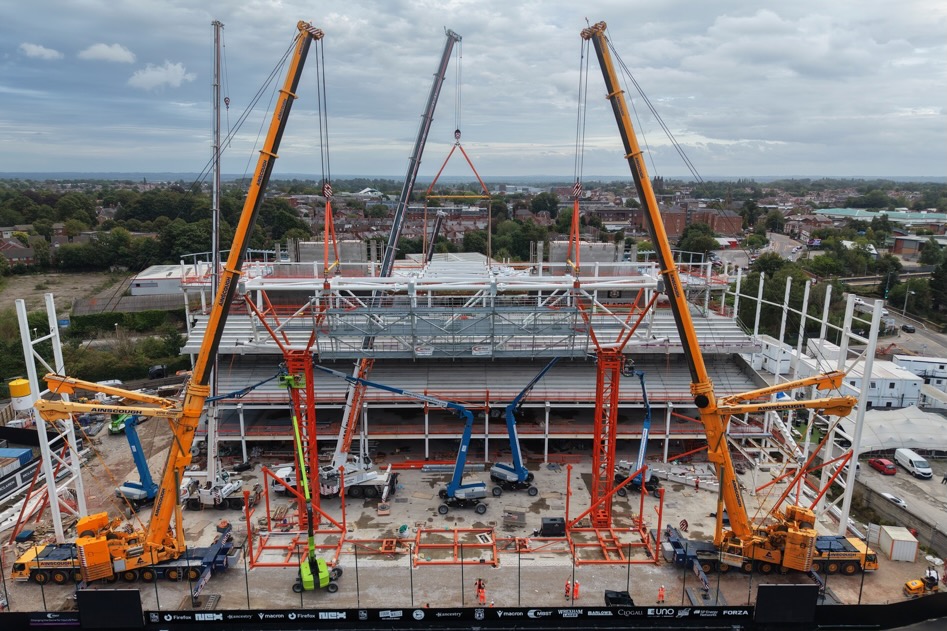
The installation of a massive truss at Wrexham AFC's stadium is a construction milestone, highlighting key lessons for AECM professionals in urban project management and international collaboration.
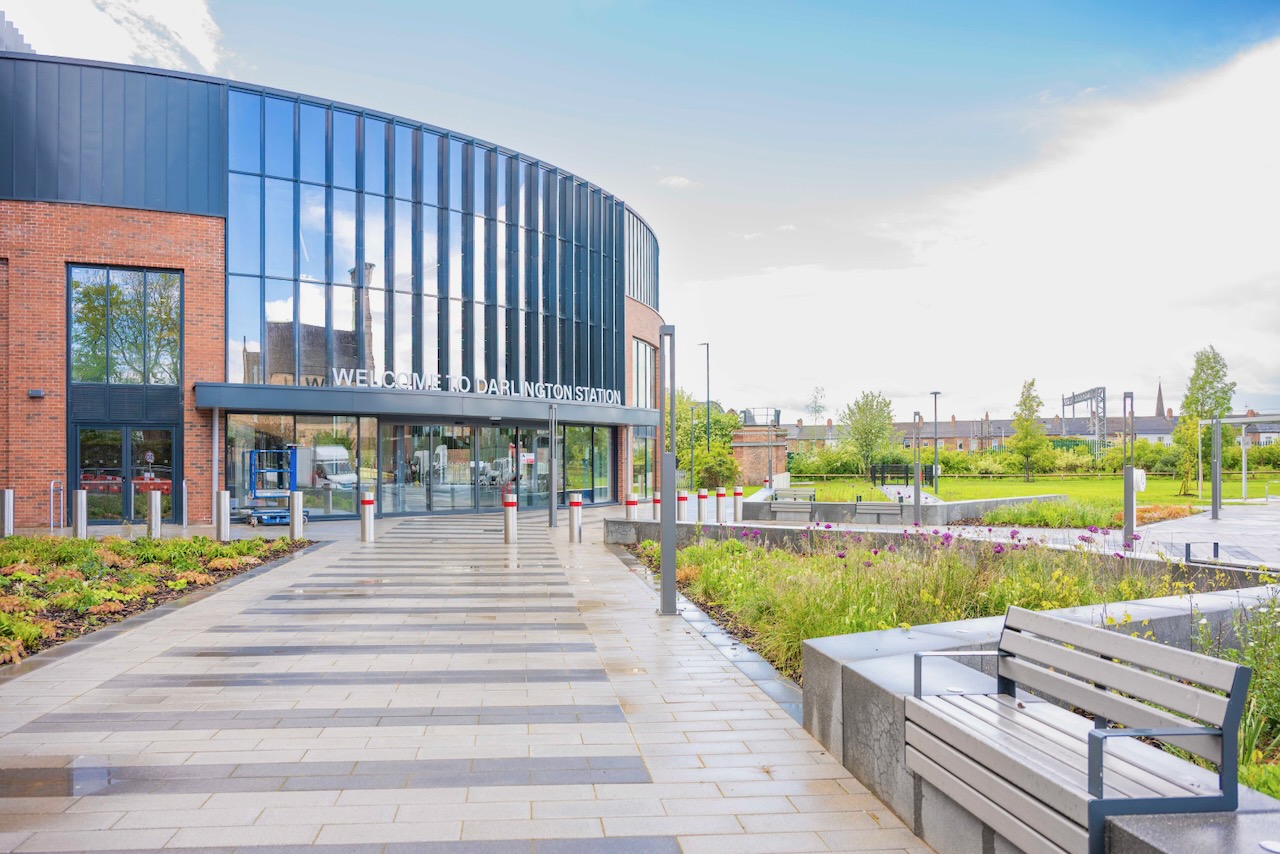
The comprehensive installation of Mapei tiling at Darlington Station is a pivotal element in the £140m overhaul of the station, emphasizing the role of advanced materials in infrastructure development.
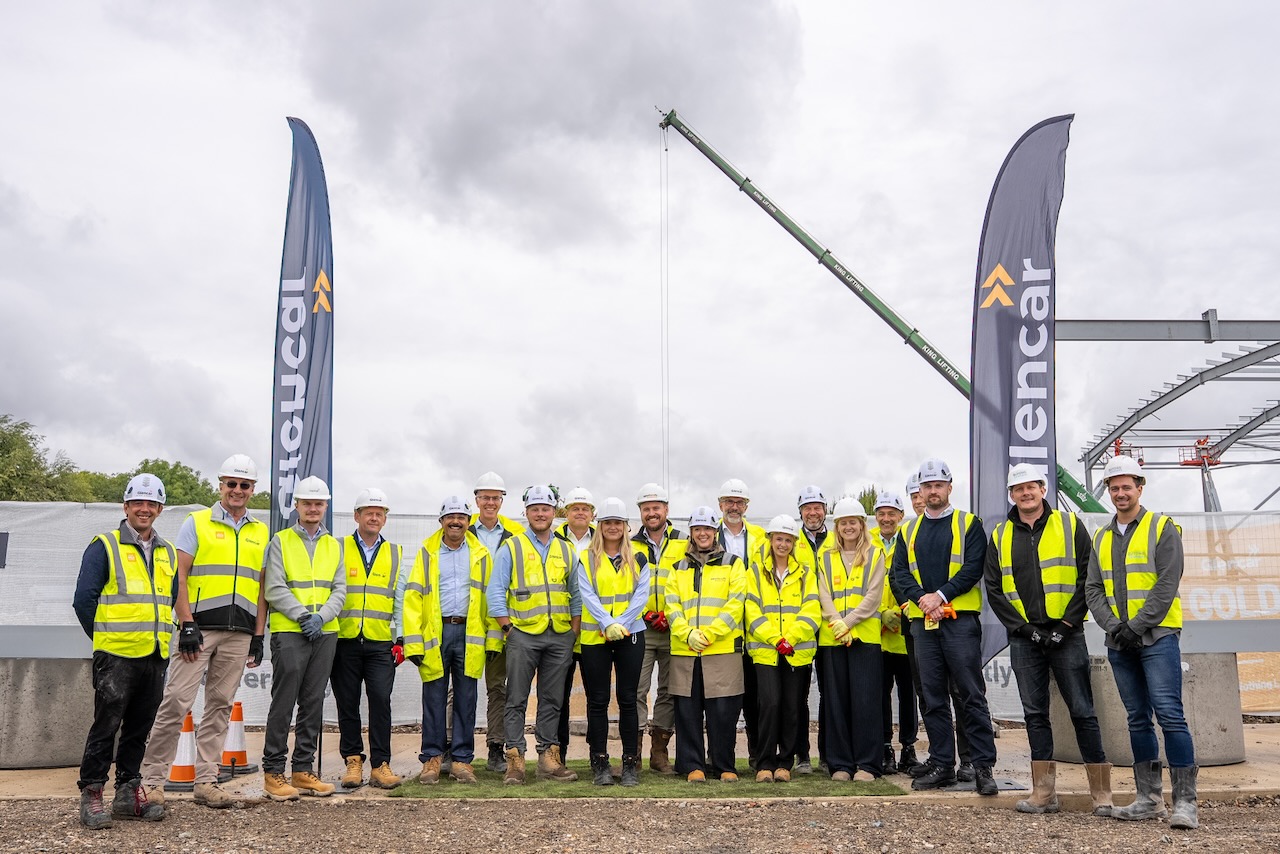
Glencar progresses construction of a sustainable logistics hub in Aylesbury, emphasizing eco-friendly practices with potential lessons for US developers.
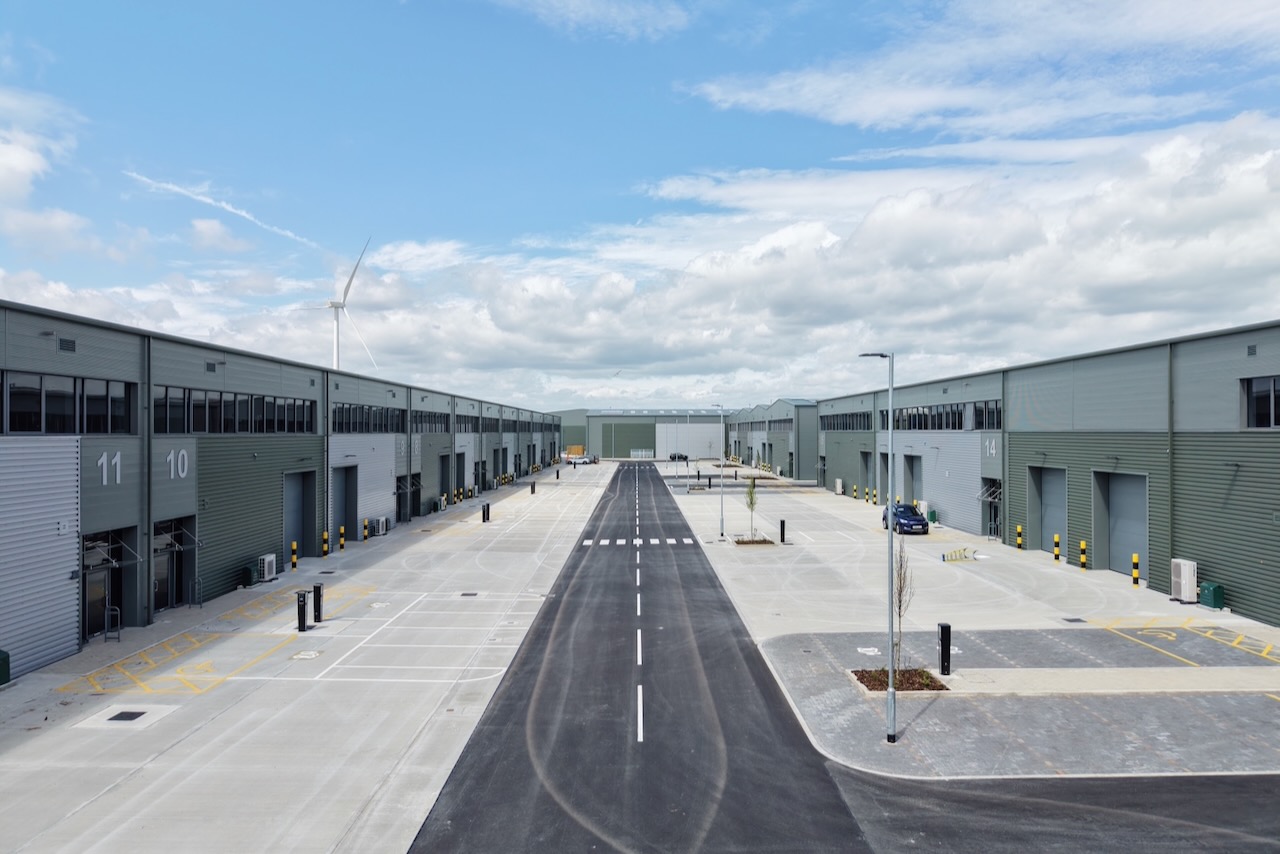
Caddick Construction has completed T45, an eco-friendly logistics center in Leeds, featuring energy-efficient technologies. This development highlights the growing trend of sustainable practices in industrial construction, offering insights for US operators in terms of competitive positioning and co

Speller Metcalfe's record profits and strong cash reserves highlight the value of strategic financial management for AECM firms.
