In the evolving landscape of metal construction, the choice between jobsite rollforming and in-plant production is becoming increasingly critical for companies targeting agricultural, commercial, or other high-volume markets. As the industry grows, understanding the advantages and limitations of each method can help businesses optimize their operations and better serve their customers.
What Happened
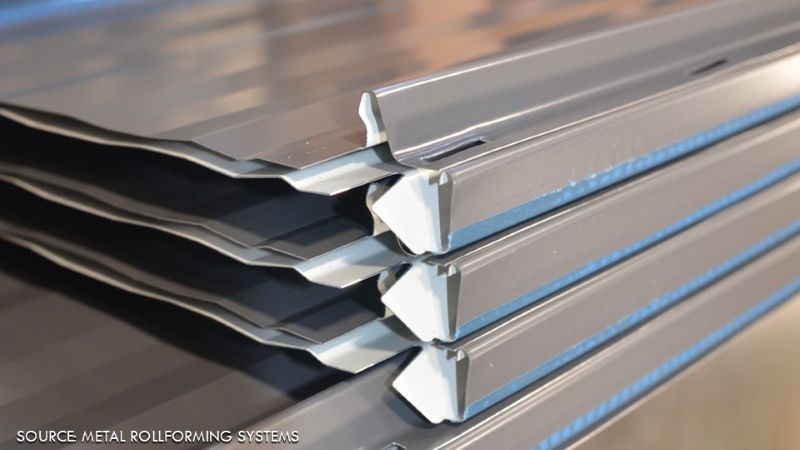
Metal Construction News recently explored the dynamics between jobsite rollforming and in-plant rollforming, highlighting the significance of choosing the right method based on project needs. Bill Griffin, president of Metal Rollforming Systems, emphasized that the decision is not about one method being superior but about meeting customer needs effectively. Jobsite rollforming is particularly beneficial when transporting long panels becomes impractical, typically over 53 feet, or when projects are located in remote areas. This method allows flexibility and cost-effectiveness, especially for smaller contractors who cannot justify the overhead of a full plant operation. In contrast, in-plant production excels in higher-volume applications due to better environmental controls, faster production speeds—150 to 200 lineal feet per minute compared to 30 to 50 feet on-site—and larger capacity for transporting finished products. Plant production also supports efficiency in producing through-fastened panels, which dominate the metal roofing market.
What This Means for Your Business
For AECM professionals, the decision between jobsite and in-plant rollforming can significantly impact operational efficiency, cost management, and market competitiveness. Companies aiming to expand into larger markets or serve high-volume customers will find in-plant production advantageous due to its speed and quality control. However, for those focusing on smaller, bespoke projects, jobsite rollforming offers a viable, cost-effective solution. Understanding these dynamics can aid in strategic planning, especially when considering investments in equipment or facilities. Compliance with industry standards and maintaining quality control are crucial, particularly in the context of federal contracts and large-scale commercial projects.
What US Operators Should Watch
US operators should keep an eye on emerging trends in rollforming technologies and adapt to shifts in market demand that may influence the balance between jobsite and in-plant production. Monitoring federal procurement opportunities, particularly in infrastructure and commercial sectors, can guide companies in aligning their production capabilities with market requirements. Companies should also track advancements in rollforming machinery that could enhance efficiency and output, ensuring they remain competitive in an industry where precision and speed are increasingly valued.
Source: https://www.metalconstructionnews.com/main-slider/shop-versus-jobsite-rollforming/
Is your firm ready for what’s next?
VisioneerIT helps AECM and government contractors modernize operations, achieve compliance, and implement AI.
Explore VisioneerIT Solutions →