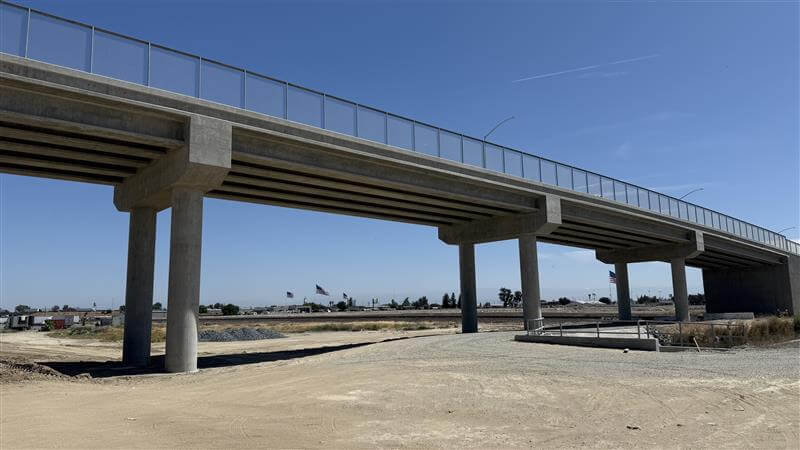
California's long-awaited high-speed railway project is finally breaking new ground as a consortium led by Kiewit, along with Stacy Witbeck and Herzog, begins laying track on a 192-kilometer stretch in the Central Valley. This marks a significant milestone for the $3.5 billion contract, one of the largest rail infrastructure deals in the United States, and a crucial step forward for a project that has faced numerous delays and funding challenges.
What Happened
The Kiewit consortium has been tasked with installing the track, catenary system, and communications infrastructure for the high-speed rail line designed to achieve speeds up to 354 kilometers per hour. This segment will eventually connect to further extensions reaching Merced and Bakersfield. The materials needed, such as rail, concrete ties, and ballast, have already been procured to ensure swift progress as the guideway sections become ready.
Despite the project's setbacks, including the termination of approximately $4 billion in grants by the Federal Railroad Administration in July 2025 due to slow progress, the California High-Speed Rail Authority remains optimistic. With 745 kilometers of the total 795-kilometer route from San Francisco to Los Angeles/Anaheim environmentally cleared, the authority, led by Chief Executive Ian Choudri, is committed to delivering a pioneering rail system for California.
What This Means for Your Business
For stakeholders in the architecture, engineering, construction, and manufacturing industries, the commencement of track laying presents substantial opportunities. The scale of the project implies a significant demand for construction materials and services, offering lucrative contracts for suppliers and contractors. Furthermore, companies aligned with the high-speed rail's technology infrastructure, such as communications systems and catenary installations, stand to benefit considerably.
With the project's completion date for the Merced to Bakersfield route set for 2033, businesses involved in related sectors should prepare for increased demand and potential collaboration opportunities. The project also underscores the importance of compliance with federal and state regulations, including environmental clearances and safety standards, which are critical for maintaining project momentum and securing ongoing funding.
What US Operators Should Watch
US operators must keep an eye on upcoming procurement windows and regulatory requirements tied to the high-speed rail project. Staying informed about deadlines for bidding opportunities and compliance audits will be crucial for maintaining competitive positioning. Additionally, monitoring any changes in federal or state funding allocations will be essential for adjusting business strategies and forecasting future project phases.
The California high-speed rail project, while having faced significant hurdles, remains a transformative infrastructure endeavor with wide-ranging implications for the construction and transportation sectors. Companies poised to engage with this project will not only contribute to a landmark achievement in US rail transport but also position themselves for future high-speed rail developments across the country.
Is your firm ready for what’s next?
VisioneerIT helps AECM and government contractors modernize operations, achieve compliance, and implement AI.
Explore VisioneerIT Solutions →