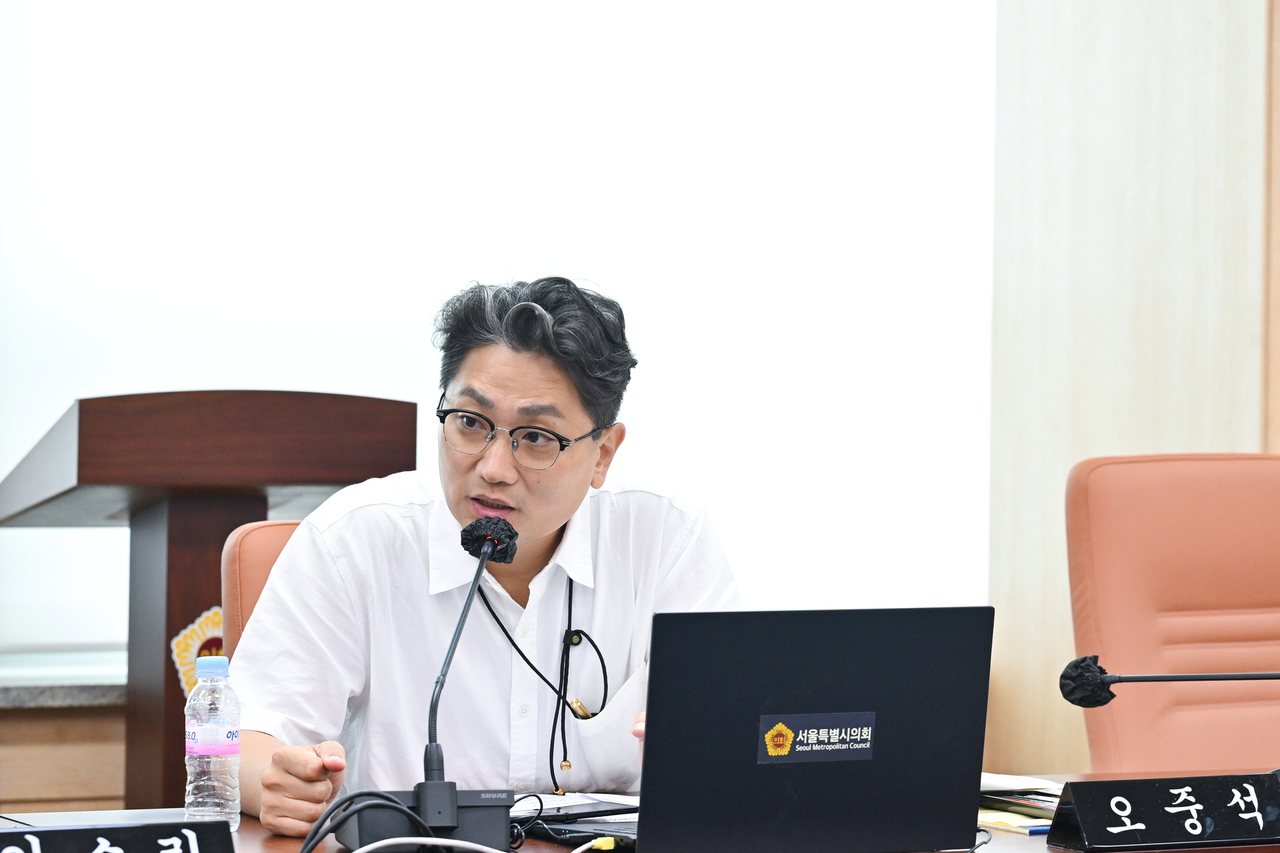
Seoul's digital twin project is at a crossroads, as a city lawmaker calls for foundational data standards to transform the initiative into a functional urban tool. Oh Jung-seok's proposals, aimed at addressing the current gaps in architectural data standards and AI talent, could redefine the landscape of urban technology in Seoul.
What Happened
Lawmaker Oh Jung-seok, representing the Dongdaemun District 2 on the Seoul Metropolitan Council, has raised concerns about the absence of architectural data standards and AI talent pipeline gaps during a briefing by the Seoul AI Foundation. Oh emphasized that without a Seoul-specific Building Information Modeling (BIM) standard and a smart building certification regime, the city's digital twin project might fall short of its potential. BIM technology, which integrates lifecycle data into a three-dimensional digital model, is crucial for managing building information consistently. Oh's vision includes a unified BIM framework that could enhance disaster response, facility management, and energy efficiency across Seoul.
Additionally, Oh proposed a smart building certification system to encourage self-regulating buildings that manage energy, equipment, and safety data. This system aims to create a seamless flow of information into city operations, ensuring that the digital twin serves more than just a visual purpose. However, the Seoul AI Foundation has yet to develop a concrete roadmap for these initiatives, citing a lack of experience in housing and construction sectors. Oh suggested collaboration between the foundation and city departments to overcome these challenges.
What This Means for Your Business
For AECM professionals and government contractors, the development of a Seoul-specific BIM standard and smart building certification regime presents both opportunities and challenges. Companies poised to adapt to these standards may gain a competitive edge in future city projects, as they align with Seoul's push towards integrating comprehensive digital solutions. Embracing these standards could also enhance compliance with international norms, potentially opening doors to global markets. Furthermore, businesses involved in AI and data management could benefit from collaboration opportunities as Seoul seeks to build a robust talent pipeline and technological framework.
What US Operators Should Watch
US operators should monitor Seoul's progress in establishing BIM standards and smart building certifications, as these could influence similar initiatives globally. Keeping an eye on the Seoul AI Foundation's collaboration efforts might reveal new partnership opportunities. Additionally, changes in Seoul's regulatory environment could signal shifts in international standards, affecting compliance and operational strategies for US-based firms engaged in global projects.
Source: https://biz.heraldcorp.com/article/10865550. Read the original story ->
Partner Insight · VisioneerIT
The push for a Seoul-specific BIM standard and smart building certification regime aligns with the growing trend of integrating Digital Twin technology in urban planning. VisioneerIT's expertise in Digital Twin solutions can help cities like Seoul optimize their infrastructure through real-time data integration and analytics.
Explore VisioneerIT Cybersecurity →
Is your firm ready for what’s next?
VisioneerIT helps AECM and government contractors modernize operations, achieve compliance, and implement AI.
Explore VisioneerIT Solutions →