Facility managers across the United States face an evolving challenge: storm season is no longer confined to a predictable window. As climate change intensifies, severe weather events occur more frequently, making it imperative for facility teams to adopt proactive measures to safeguard their operations. For the Architecture, Engineering, Construction, and Manufacturing (AECM) sectors, understanding and mitigating roofing risks has become a crucial component of maintaining operational integrity and reducing downtime.
What Happened
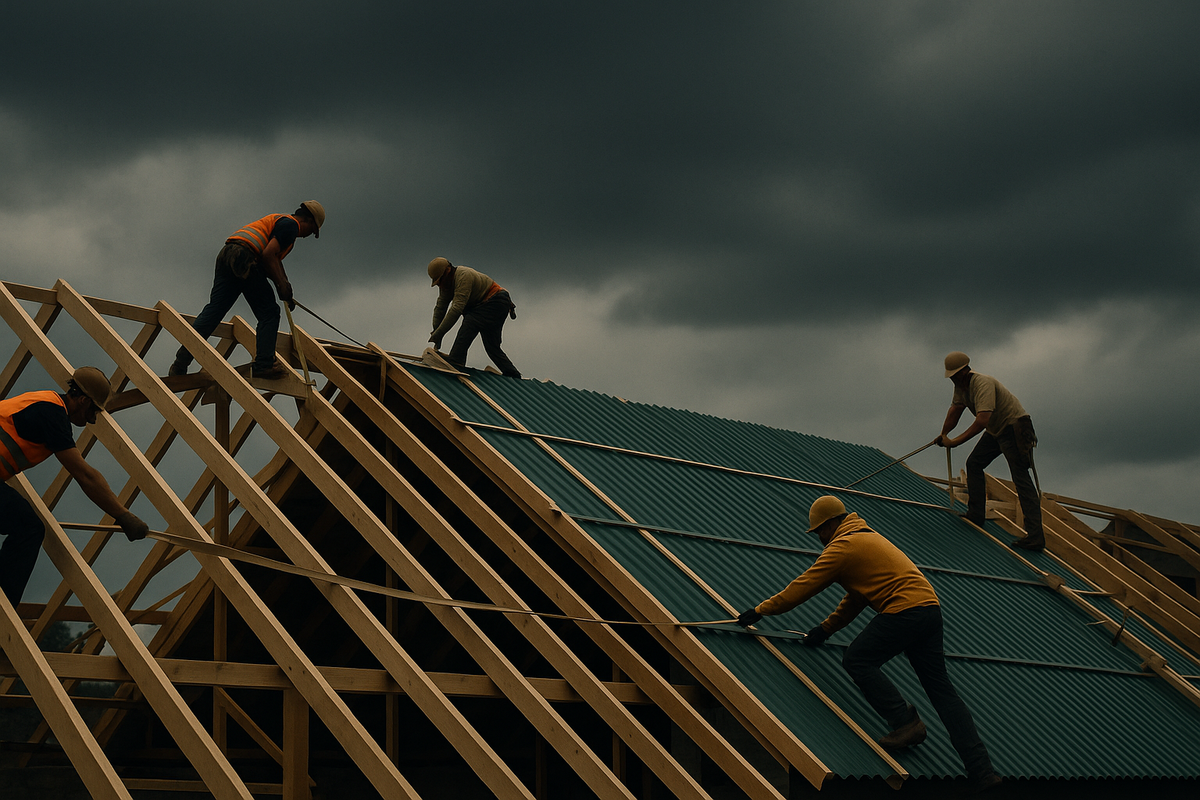
The traditional notion of storm season, once predictable, is now an outdated concept. With climate change contributing to more frequent and severe weather patterns, facility teams must prepare for the unexpected. This shift has significant implications for the structural integrity of buildings, particularly roofing systems, which are often the first line of defense against harsh weather conditions. Proactive maintenance and risk assessment strategies are no longer optional but essential. The article from Facilities Dive underscores the urgency for facility leaders to enhance their preparedness by focusing on reducing roofing risks before severe weather disrupts operations.
What This Means for Your Business
For businesses operating in the AECM sectors, this evolving risk landscape necessitates a strategic shift in facilities management. The financial implications of inadequate storm preparation can be significant, with potential losses stemming from operational downtime, structural damage, and increased insurance premiums. Implementing comprehensive roofing risk assessments and maintenance schedules can mitigate these risks. Moreover, the adoption of advanced materials and technologies that enhance durability and resilience can provide a competitive edge. Businesses that invest in robust risk management strategies are better positioned to secure federal contracts, as compliance with stringent safety and sustainability standards becomes increasingly critical.
What US Operators Should Watch
Operators should closely monitor federal initiatives and funding opportunities aimed at enhancing infrastructure resilience. The Biden administration's infrastructure plan emphasizes climate resilience, offering potential funding streams for businesses that prioritize sustainable and resilient construction practices. Additionally, staying informed about upcoming procurement windows and compliance requirements related to the Cybersecurity Maturity Model Certification (CMMC) and other federal standards is crucial. By aligning operations with these regulations, businesses can enhance their competitive positioning and ensure long-term sustainability.
---
Source: https://www.facilitiesdive.com/spons/storm-season-is-no-longer-a-seasonal-risk-for-facility-teams/822455/. Read the original story ->
Is your firm ready for what’s next?
VisioneerIT helps AECM and government contractors modernize operations, achieve compliance, and implement AI.
Explore VisioneerIT Solutions →