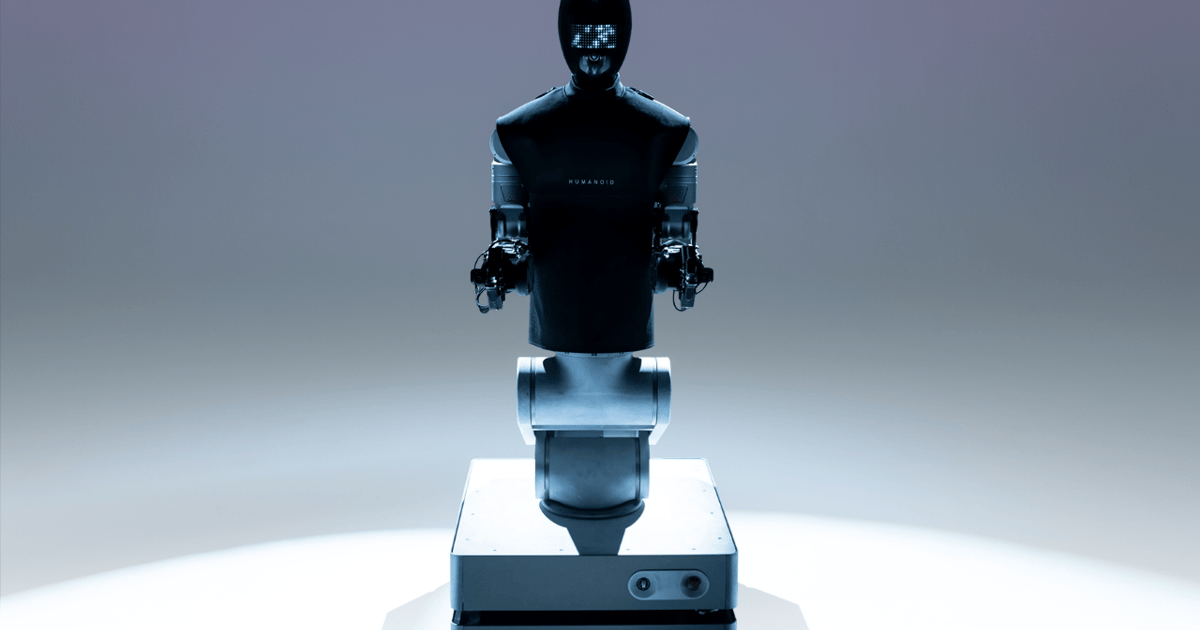
Robotics is becoming increasingly vital in complex assembly operations, with industry leaders recognizing the importance of combining robotic dexterity with mechanical positioning. This advancement is particularly significant for sectors like aerospace, defense, and automotive, which require precision and efficiency.
What Happened
Robotics professionals are emphasizing the integration of mechanical positioning systems with robotic dexterity to enhance assembly operations. Key components such as linear transfer systems, rotary index tables, and multi-axis workpiece positioners are being utilized to improve the range, speed, and precision of robotic movements. These technologies allow robots to perform tasks that were traditionally manual, such as assembling large-scale aerospace and defense products. Vision-based positioning mechanisms are further enhancing robot responsiveness, enabling real-time adjustments and ensuring consistent performance.
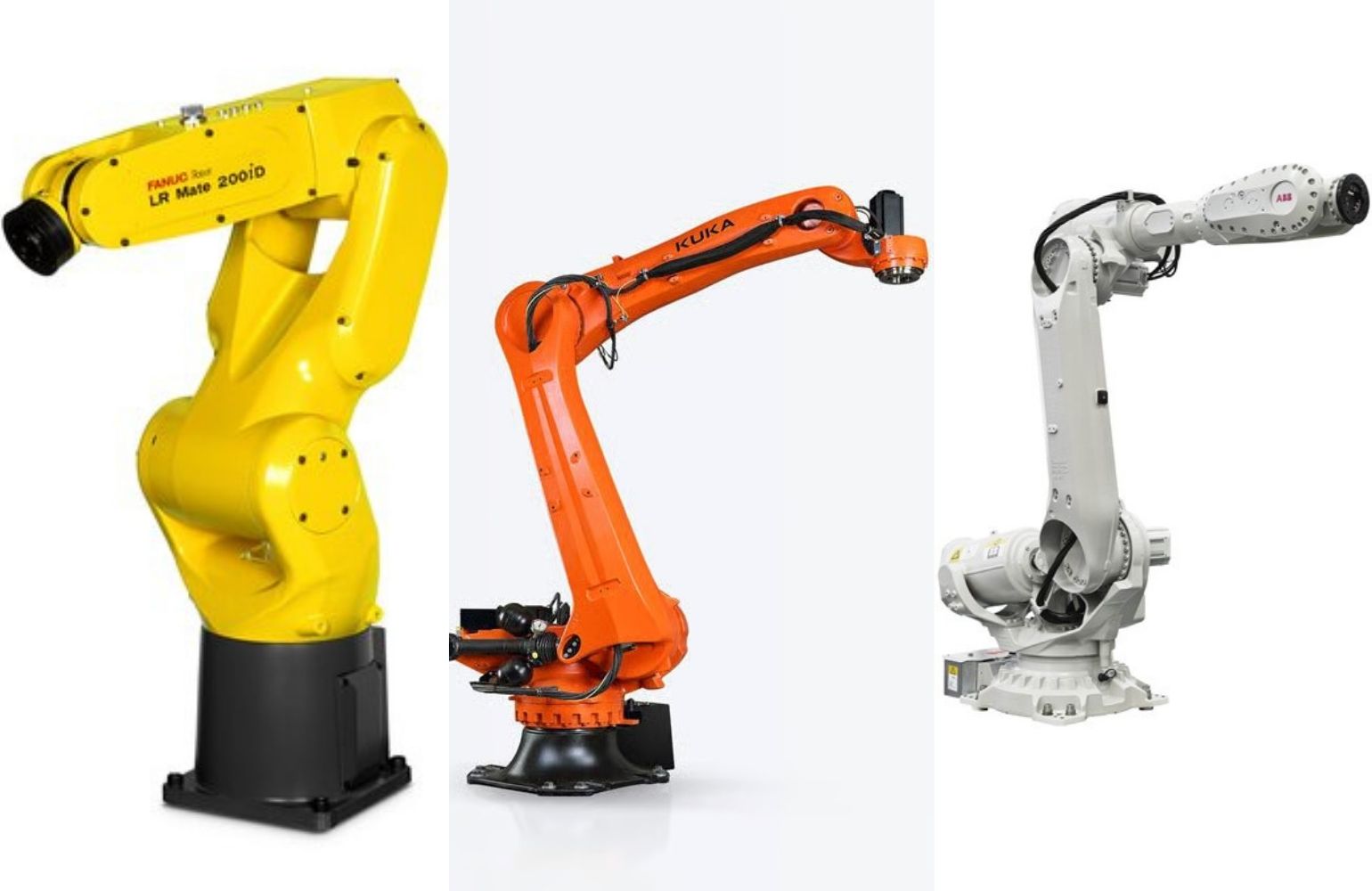
Notable examples include the FANUC LR Mate Series, which has been successfully implemented by companies like Pentaflex to increase efficiency and flexibility in assembly lines. Similarly, KUKA's KR QUANTEC series is designed for heavy-duty applications, facilitating the assembly of large automotive and construction products through linear transfers.
What This Means for Your Business
For businesses in the AECM sectors, these advancements translate into significant competitive advantages. The integration of robotic dexterity with mechanical positioning can lead to reduced labor costs, enhanced productivity, and improved product quality. Companies that invest in these technologies can expect better ROI and a stronger market position, especially in industries where precision and efficiency are paramount.
Moreover, as federal contracts increasingly demand advanced technological capabilities, adopting these robotic solutions can enhance compliance with standards like CMMC and NIST, positioning businesses favorably for government procurement opportunities. The ability to efficiently handle complex assemblies can also open doors to new contracts and partnerships, particularly in defense and aerospace sectors.
What US Operators Should Watch
Operators should monitor advancements in robotic positioning technologies and assess their potential integration into existing operations. Key timelines include staying updated on federal procurement windows and regulatory changes related to CMMC and NIST compliance. Companies should also keep an eye on emerging robotic technologies and consider early adoption to maintain a competitive edge.
Is your firm ready for what’s next?
VisioneerIT helps AECM and government contractors modernize operations, achieve compliance, and implement AI.
Explore VisioneerIT Solutions →