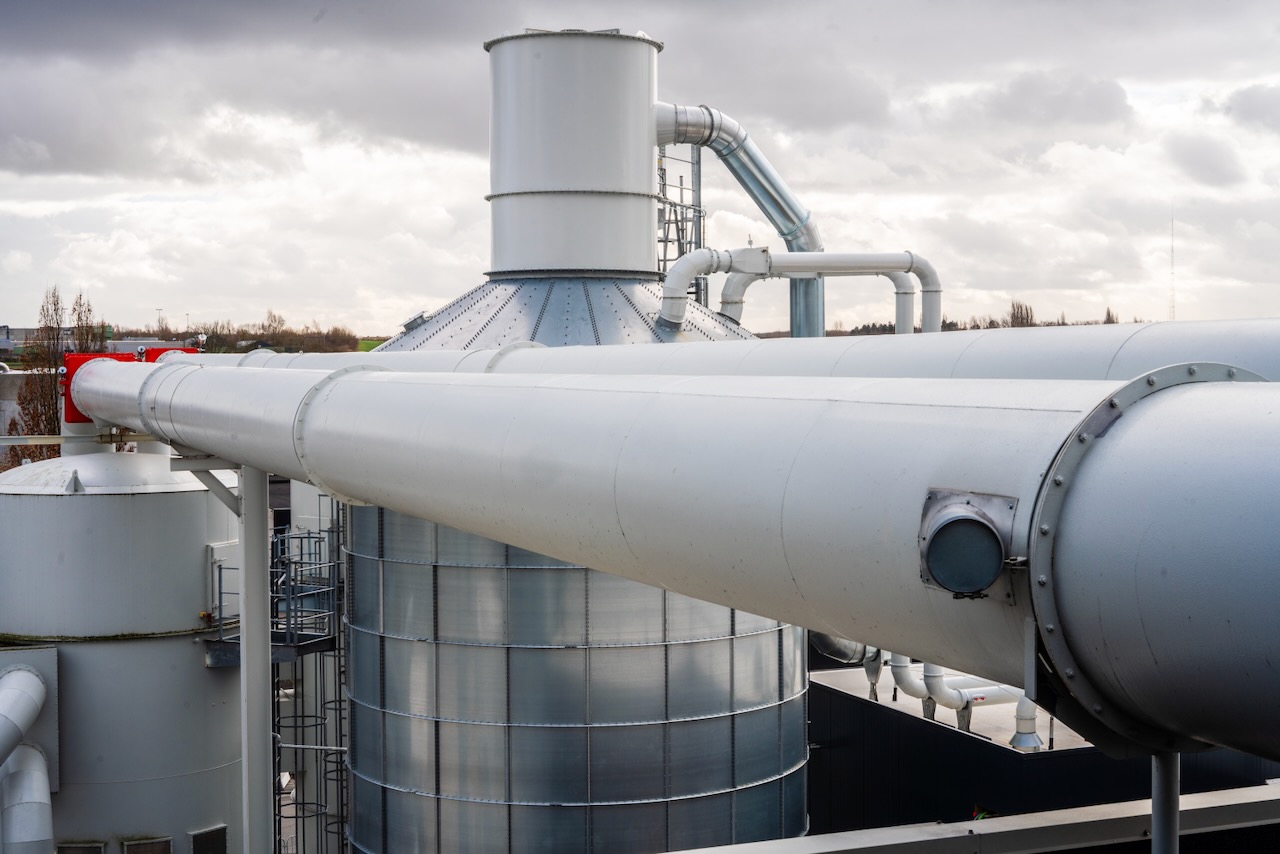
Recticel has taken a significant step towards sustainability in the construction industry by inaugurating a new plant in Wevelgem, Belgium, dedicated to recycling insulation board production waste. This facility marks a pivotal innovation in the manufacturing process of insulation materials, especially for professionals in the architecture, engineering, construction, and manufacturing (AECM) sectors.
What Happened
Recticel's newly opened plant is designed to recycle up to 4,000 tons of post-industrial PIR (polyisocyanurate) insulation board production waste annually. This waste is transformed into high-quality recycled polyol, a critical raw material used in producing new PIR boards. By converting PIR offcuts and production scrap from all its manufacturing sites into usable polyol, Recticel effectively closes the loop in its manufacturing process. This initiative is expected to deliver a 30-50% reduction in CO₂ emissions compared to traditional virgin polyol production. The recycled materials will be distributed across all Recticel plants, including those in the UK.
Why It Matters for the AECM Industry
For the AECM industry, Recticel's initiative offers a blueprint for reducing environmental impact while maintaining product quality and performance. By lowering dependence on virgin raw materials, the plant not only reduces waste but also cuts greenhouse gas emissions, aligning with global sustainability goals. This closed-loop system presents a competitive advantage by potentially lowering production costs and enhancing supply chain resilience. The shift towards recycled materials could influence building codes and standards, pushing the industry towards more sustainable practices. Building codes and standards may evolve as a result of these advancements.
What's Next
As Recticel rolls out boards made with recycled polyol across its plants, industry professionals should monitor the performance and market acceptance of these materials. The initiative may prompt similar sustainability efforts among competitors, influencing broader industry trends. Stakeholders should also watch for potential policy developments that encourage or mandate the use of recycled materials in construction. This plant could serve as a model for future facilities, expanding the closed-loop approach across more sectors within the AECM industry.
Is your firm ready for what’s next?
VisioneerIT helps AECM and government contractors modernize operations, achieve compliance, and implement AI.
Explore VisioneerIT Solutions →