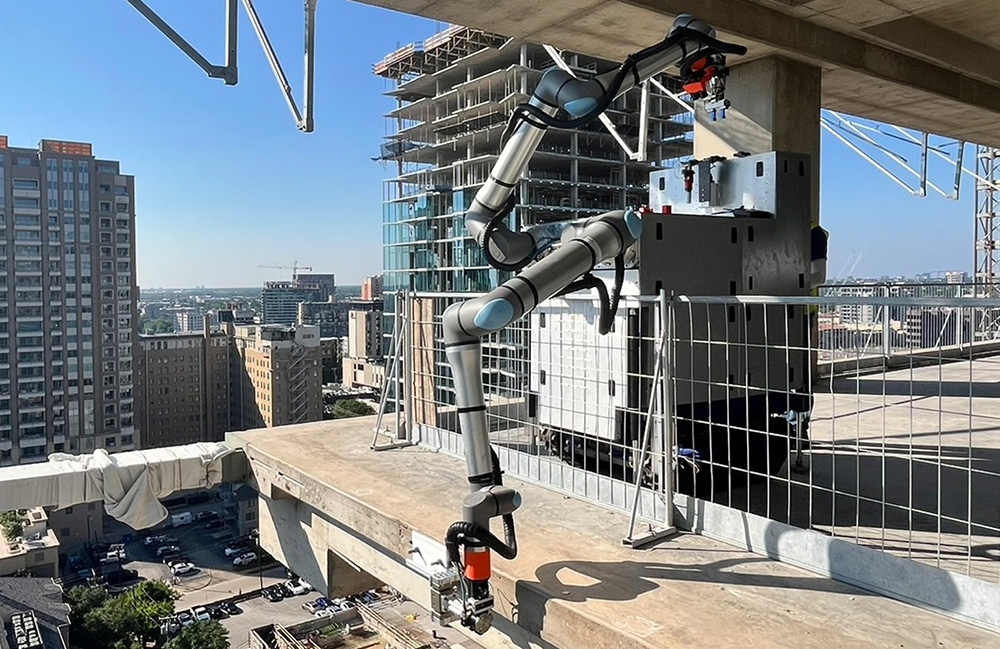
Raise Robotics is poised to redefine the integration of autonomous systems in the construction industry. At the upcoming RoboBusiness 2026 conference, Kenrick Tjandra, head of robotics deployment at Raise Robotics, will present a framework critical to overcoming the gap between lab-ready prototypes and field-ready systems. This initiative is set to address the challenges of scaling field robotics, a vital concern for industry leaders.
What Happened
Raise Robotics, a San Francisco-based company, has achieved significant milestones in deploying autonomous robots for building envelope installation. With a flawless safety record across 10 projects in eight states, totaling over 4,528 robot-hours, the company has established itself as a leader in the field. At RoboBusiness 2026, which takes place on October 20 and 21 in Santa Clara, California, Kenrick Tjandra will deliver a session titled “Closing the Capability Gap: A Leadership Framework for Scaling Field Robotics.” This session will delve into how companies can transition from prototypes to scalable systems through strategic decision-making.
Tjandra's presentation will highlight two key failures that informed Raise Robotics' framework: sampling bias and margin stacking. Sampling bias refers to the misconception that initial successes can predict future outcomes, while margin stacking highlights how compounded tolerances can erode operational margins. The framework provides a structured approach, including a resource taxonomy and a build-vs-workaround model, to help robotics teams allocate engineering resources effectively and anticipate potential system failures.
What This Means for Your Business
For AECM professionals, the insights from Raise Robotics could be transformative. The framework offers a methodical approach to overcoming the obstacles that often hinder the deployment of field robots. This can lead to more efficient project execution, reduced labor costs, and enhanced safety compliance, all of which contribute to a stronger ROI. Moreover, understanding these frameworks can provide competitive advantages in securing federal contracts or integrating robotics into existing operations.
The emphasis on a leadership-driven approach to scaling robotics also underscores the importance of strategic decision-making over mere technological advancements. This perspective is crucial for companies looking to leverage federal funding opportunities or align with compliance standards such as CMMC and NIST.
What US Operators Should Watch
As the industry moves towards integrating more robotics solutions, executives and decision-makers should keep an eye on key regulatory and compliance timelines. The RoboBusiness conference itself is a pivotal event for gaining insights into the latest trends and technologies in robotics. Furthermore, as the Project Production Institute reviews and validates frameworks like Tjandra’s, there may be emerging standards that companies will need to adopt to remain competitive.
For those interested in participating in RoboBusiness 2026, registration is currently open and offers a chance to engage with leading experts in the field. This event not only provides valuable knowledge but also networking opportunities to connect with peers and potential partners.
---
Source: The Robot Report. Read the original story ->
Is your firm ready for what’s next?
VisioneerIT helps AECM and government contractors modernize operations, achieve compliance, and implement AI.
Explore VisioneerIT Solutions →