Pressure sensors are playing a crucial role in enhancing the precision of robotic gripping, a development that is particularly significant for the AECM industry. As automation and robotics continue to proliferate in manufacturing and construction, the ability to handle delicate or varied materials with precision can drive efficiency and reduce waste.
What Happened
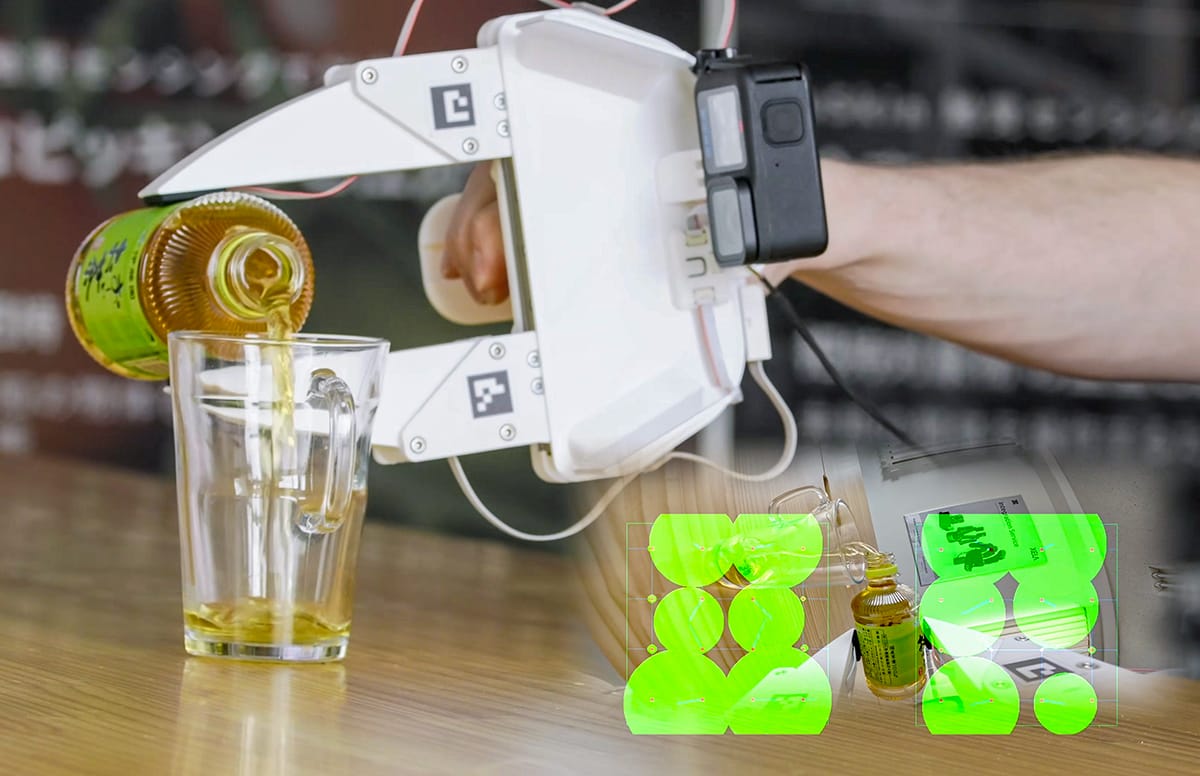
Pressure sensors have emerged as a vital component in modern robotic gripper design, especially in industrial applications such as bin picking, kitting, and mixed-part handling. Unlike traditional force sensors, pressure sensors measure distributed mechanical stress at the contact interface. This ability allows them to detect the initial contact and load distribution differences across various materials, from rigid metals to soft polymers. By capturing these differences early, often within milliseconds, pressure sensors enable robots to transition from motion control to interaction control with greater accuracy and less overshoot.
The integration of pressure sensors provides a middle ground between force and tactile sensing. While force sensors offer a global measurement of interaction forces, they lack the resolution to detect what happens at individual fingertips. Tactile sensors, on the other hand, provide detailed spatial resolution but are often complex and costly. Pressure sensors balance these extremes, offering sufficient local detection without overwhelming the control systems.
What This Means for Your Business
For businesses in the AECM sector, the integration of pressure sensors into robotic systems presents multiple advantages. The improved gripping precision can lead to higher efficiency in material handling, reducing the risk of damage to delicate components and minimizing material waste. This precision is particularly beneficial in environments that require careful handling of varied and delicate materials.
Additionally, the adoption of pressure sensors can enhance competitive positioning by enabling companies to offer advanced robotic solutions that meet the increasing demand for automation in construction and manufacturing. As automation becomes more integral to these industries, having sophisticated gripping capabilities can be a key differentiator.
Furthermore, the implementation of pressure sensors aligns with compliance requirements and standards such as the Cybersecurity Maturity Model Certification (CMMC) and NIST guidelines. Ensuring that robotic systems are equipped with advanced sensors can contribute to meeting these standards, thus securing federal contracts and funding opportunities.
What US Operators Should Watch
US operators should monitor the advancements in pressure sensor technologies and their integration into robotic systems. Keeping abreast of these developments is crucial, as they can influence procurement decisions and impact ROI. Operators should also be aware of upcoming federal deadlines and procurement windows related to automation technologies to capitalize on funding opportunities.
As the industry moves towards greater automation, the ability to enhance robotic gripping with pressure sensors will become increasingly important. Decision-makers should evaluate how integrating these sensors can provide a strategic advantage in their operations and align with compliance and regulatory standards.
Source: The Robot Report. Read the original story ->
Partner Insight · VisioneerIT
The integration of advanced technologies like pressure sensors in robotics aligns with the need for digital modernization in the AECM sector. VisioneerIT can help businesses leverage these innovations to enhance their software solutions and operational efficiency.
Explore VisioneerIT Cybersecurity →
Is your firm ready for what’s next?
VisioneerIT helps AECM and government contractors modernize operations, achieve compliance, and implement AI.
Explore VisioneerIT Solutions →