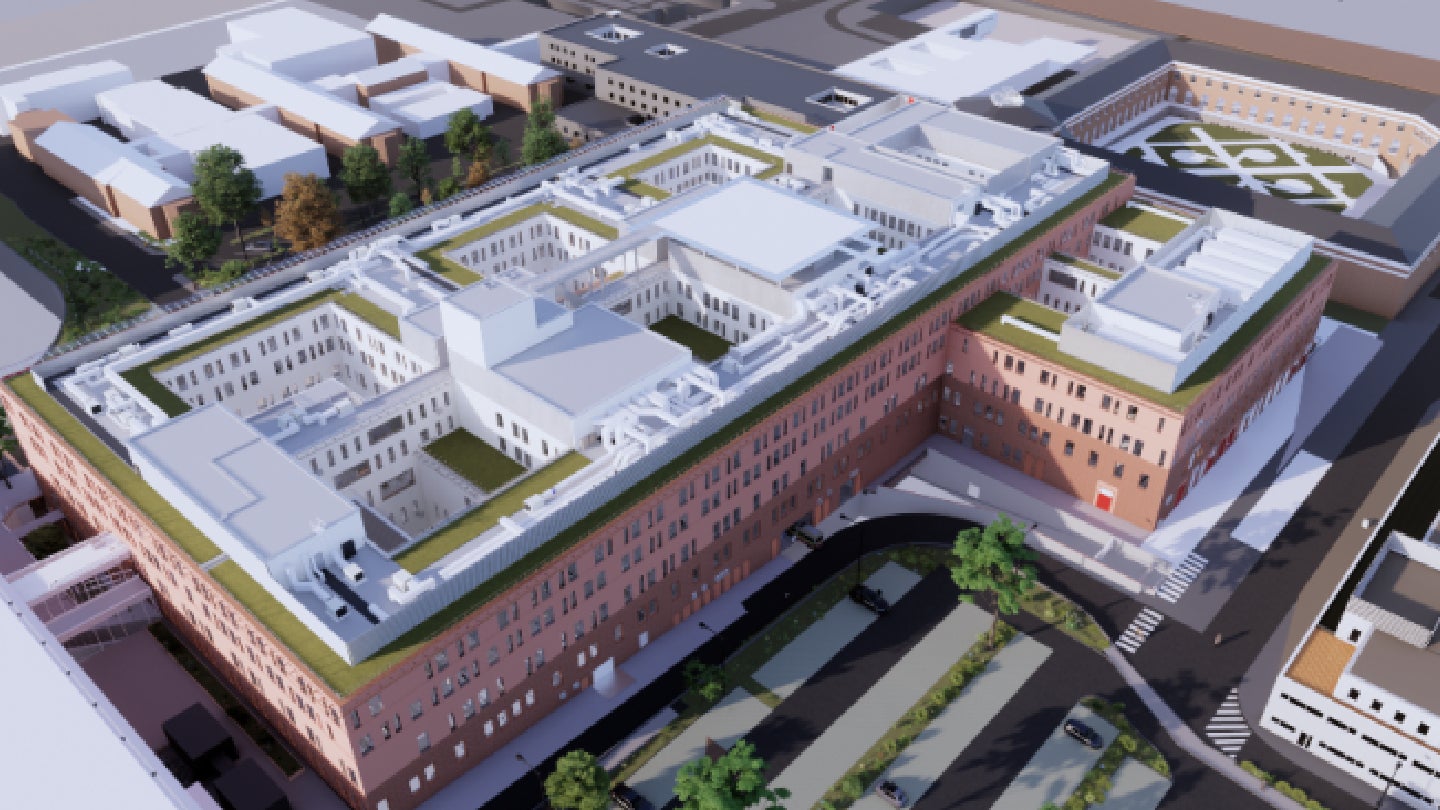
New York City's Department of Buildings initiated a comprehensive review of construction sites citywide after a structural failure at the former Pfizer headquarters. The incident highlights potential risks in the growing trend of office-to-residential conversions.
What Happened
Last week, two steel columns buckled at 235 East 42nd Street, the site of a major office-to-residential conversion project. The failure led to the sagging of several floors and necessitated the evacuation of nine nearby buildings during the morning rush hour. Four of these buildings remain under full vacate orders. Developer MetroLoft, along with its private building inspector Domani Inspection Services, is under scrutiny as the city investigates the incident. MetroLoft founder Nathan Berman suggested the columns may not have been properly reinforced to support the additional weight. Thornton Tomasetti has been engaged to perform an independent forensic analysis. This project, the largest planned office-to-residential conversion in the U.S., is part of a broader trend to repurpose vacant office spaces amid housing shortages. Despite the mishap, Mayor Zohran Mamdani expressed continued support for such conversions, emphasizing the need for safe and accountable execution.
What This Means for Your Business
For AECM professionals, this incident underscores the critical importance of compliance and rigorous safety inspections, especially in conversion projects. Companies should anticipate increased scrutiny and potential delays in permits and approvals as city authorities conduct broader safety checks. This could affect project timelines and budgets, impacting ROI. Additionally, with the city's emphasis on safety and accountability, firms must ensure adherence to compliance standards such as the Cybersecurity Maturity Model Certification (CMMC) and National Institute of Standards and Technology (NIST) guidelines, particularly if federal funds or incentives are involved.
What US Operators Should Watch
Operators must track the outcomes of the Department of Buildings' investigation and any new regulatory measures that may arise. Monitoring the findings from Thornton Tomasetti's forensic analysis will be crucial for understanding potential structural vulnerabilities in similar projects. Firms should also be aware of any changes in the city's building codes or inspection requirements that could impact future contracts and procurement processes. Staying informed about federal and local incentives for conversion projects remains essential, as these can significantly influence project feasibility and funding opportunities.
Source: https://propmodo.com/structural-failure-at-pfizer-conversion-project-triggers-citywide-construction-review/. Read the original story ->
Is your firm ready for what’s next?
VisioneerIT helps AECM and government contractors modernize operations, achieve compliance, and implement AI.
Explore VisioneerIT Solutions →