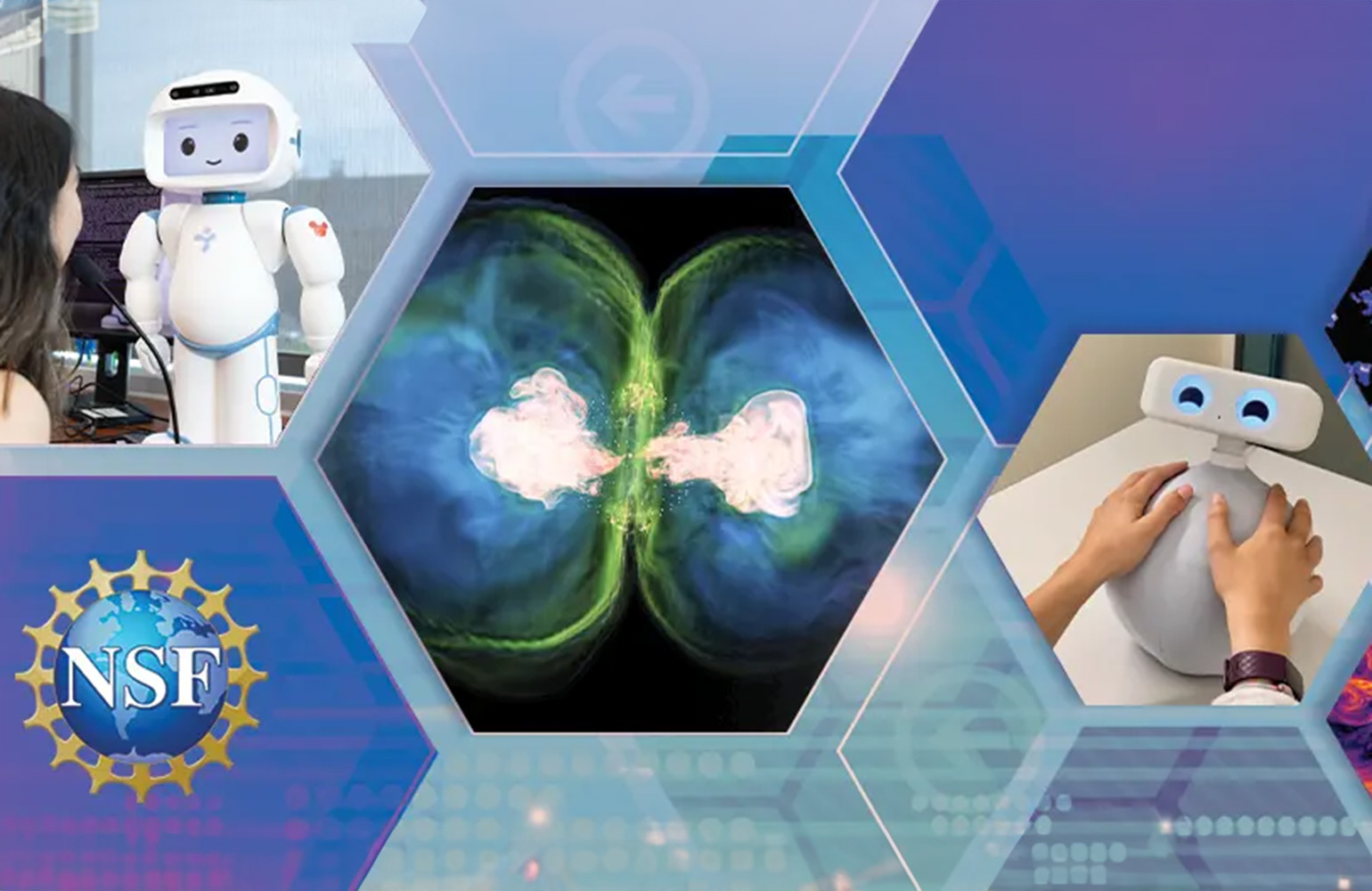
The National Science Foundation (NSF) announced a $90 million investment over the next five years to establish three new Science and Technology Centers (STCs), including one focused on human-robot collaboration. This initiative is part of a broader effort to maintain U.S. leadership in science and technology, strengthen the STEM workforce, and drive innovation in fields such as AI and robotics.
What Happened
The NSF will distribute $6 million annually to each of the three new centers over an initial five-year period, with the possibility of extending support for an additional five years. The centers will focus on advancing foundational research, catalyzing partnerships, and accelerating technological breakthroughs. Among the newly established centers is the Center for Human and Robot Co-Adaptation at The University of Texas at Austin. This center aims to enhance the interaction between humans and robots, particularly in service and assistive roles across various environments such as homes, hospitals, and workplaces. By integrating robotics, AI, and human factors, the center seeks to develop robots that can learn from humans and adapt to their needs and preferences.
The other two centers include the Center for Transformative Explorations in Multi-Physics and Engineering of Scientific Turbulence (TEMPEST) at Michigan State University, and the Center for Genome Intelligence Engineering (GENIE) at Northwestern University. These centers will engage in large-scale, transformational research designed to open new areas of discovery and drive technological innovation.
What This Means for Your Business
For businesses in the architecture, engineering, construction, and manufacturing (AECM) sectors, the NSF's investment presents numerous opportunities. Companies can anticipate a surge in innovation and technological advancements, particularly in AI and robotics, that could redefine industry standards and practices. The focus on human-robot collaboration is especially pertinent for those involved in healthcare and service industries, where autonomous and assistive technologies are increasingly becoming integral. By aligning with these centers, businesses can gain early access to cutting-edge research, participate in collaborative projects, and potentially influence the direction of technology development.
Moreover, the NSF's investment underscores the importance of compliance with emerging technology standards and regulatory requirements, such as the Cybersecurity Maturity Model Certification (CMMC) and National Institute of Standards and Technology (NIST) frameworks. Staying abreast of these developments can enhance competitive positioning and ensure alignment with federal procurement guidelines.
What US Operators Should Watch
US operators should closely monitor the progress of these NSF-funded centers, particularly as they begin to produce new technologies and methodologies. Key timelines include the initial five-year funding period, with potential extensions based on performance and impact. Businesses should also be aware of upcoming federal procurement opportunities that may arise from these technological advancements, as well as any changes in compliance and regulatory requirements.
Engagement with these centers could also offer strategic advantages in terms of workforce development, as they provide hands-on experience in emerging fields for students and early-career researchers. This can be a critical factor in addressing skills gaps and ensuring the availability of a technically proficient workforce.
Source: The Robot Report. Read the original story ->
Is your firm ready for what’s next?
VisioneerIT helps AECM and government contractors modernize operations, achieve compliance, and implement AI.
Explore VisioneerIT Solutions →