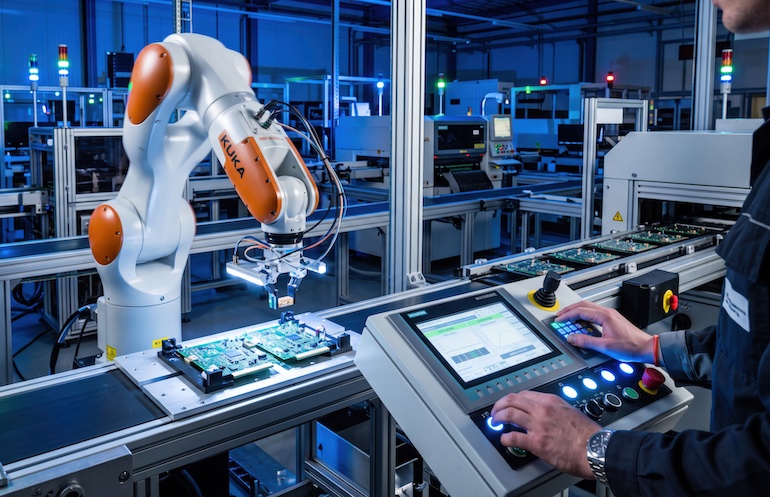
The transition from pilot projects to large-scale robotic deployments is exposing a critical bottleneck not in the technology itself, but in the workforce required to maintain, operate, and adapt these systems. As robots take on more roles in warehouses, factories, and public spaces, the need for a hybrid human-robot workforce is becoming increasingly apparent.
What Happened
As robotic systems move from controlled pilot settings to broader deployments, the need for a structured workforce becomes crucial. Initially, robotic programs relied on small, cohesive teams where engineers and operators worked closely to troubleshoot issues. However, as deployments expand across multiple sites and shifts, this model becomes inefficient. The industry is now witnessing a shift similar to what happened with AI labor in recent years. Early AI systems required simple task-based data labeling, but as the technology evolved, the work demanded more judgment and quality control. Similarly, physical AI now demands a shift from gig-style labor to more stable, trained teams that can ensure uptime, safety, and hardware integrity.
To address these challenges, companies are adopting hybrid workforce models. These typically involve a core group of trained, hourly employees responsible for standard operating procedures and escalation paths, supplemented by a flexible layer of surge capacity for new deployments and specialized tasks. This approach allows for a balance between fixed and variable capacity, adapting as systems stabilize.
What This Means for Your Business
For businesses in the architecture, engineering, construction, and manufacturing (AECM) sectors, this shift necessitates a reevaluation of workforce strategies. Implementing a hybrid workforce model can enhance operational efficiency and safety, critical factors for maintaining competitive positioning in the market. As these deployments scale, the need for compliance with safety and operational standards becomes paramount. Businesses must invest in training and developing a workforce capable of managing these complex systems. Additionally, the focus on quality and adherence to procedures over speed-only metrics can lead to improved ROI by reducing downtime and enhancing customer satisfaction.
What US Operators Should Watch
Decision-makers should closely monitor the evolving landscape of workforce roles in robotics. New positions such as robot operators, field technicians, and teleoperators are emerging, requiring unique skill sets that blend engineering with operational expertise. Companies should also track developments in federal regulations related to robotic deployments, as compliance will be critical. Furthermore, as the industry continues to grow, there will be opportunities for federal funding and contracts, particularly for those who can demonstrate effective workforce strategies that align with these new operational demands.
---
Source: The Robot Report. Read the original story ->
Is your firm ready for what’s next?
VisioneerIT helps AECM and government contractors modernize operations, achieve compliance, and implement AI.
Explore VisioneerIT Solutions →