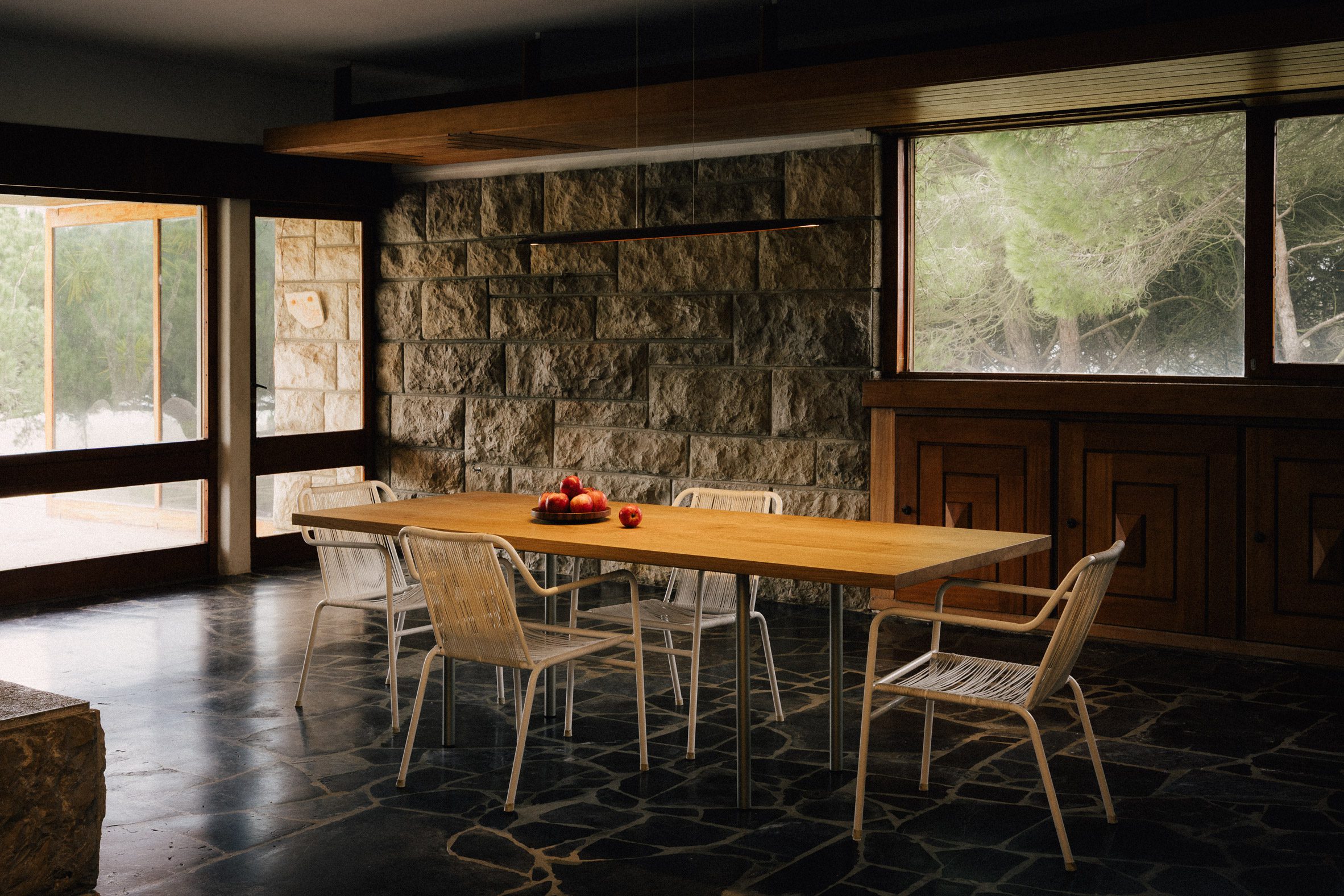
The latest surfacing collections are transforming countertops, flooring, and walls into artistic canvases, blending style with sustainability. These innovations, including crystalline silica–free materials, are redefining industry standards and addressing long-standing occupational hazards.
What Happened
Recent releases in the surfacing industry have shown a marked shift towards sustainable materials and intricate design references. Notably, companies like Cosentino and Caesarstone have introduced mineral composites that eliminate crystalline silica, a significant move given its associated health risks. Cosentino's Éclos, a product of 28,000 hours of research, features layered veining and comprises up to 90% recycled content, offering heat resistance up to 220°C. Meanwhile, Caesarstone's ICON series combines natural minerals with approximately 80% recycled content, including post-industrial glass. Other manufacturers, such as Italgraniti and Cambria, have expanded their offerings with products like Marble Touch and St. Isley, which showcase impressive aesthetic qualities and practical dimensions.
Why It Matters for the AECM Industry
These advancements are crucial for the AECM industry as they provide safer, more sustainable options for construction and design projects. The elimination of crystalline silica from materials like those in Cosentino's and Caesarstone's new lines reduces health risks for workers exposed to these substances. Additionally, the use of high recycled content aligns with growing environmental standards and client demands for sustainable building practices. These collections not only enhance the aesthetic appeal of projects but also offer durable, versatile solutions that can be applied across various surfaces, potentially reducing costs and project timelines due to their multifunctional nature.
What's Next
As these collections gain traction, industry professionals should monitor their adoption in upcoming projects and the continued development of eco-friendly materials. With the increasing emphasis on sustainability, we can expect further innovation in surfacing materials that prioritize health and environmental considerations. Professionals should watch for regulatory updates and industry standards that may influence material choices and project specifications.
Is your firm ready for what’s next?
VisioneerIT helps AECM and government contractors modernize operations, achieve compliance, and implement AI.
Explore VisioneerIT Solutions →