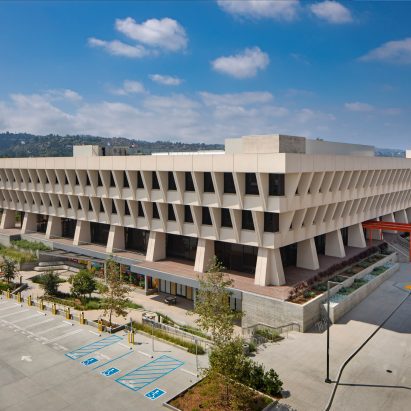
AI-driven transformations in Seattle's healthcare design are reshaping how facilities are built and operated. With smart building systems and adaptive architecture, the region is at the forefront of integrating artificial intelligence into construction, promising significant benefits for efficiency, patient care, and operational cost savings.
What Happened
Seattle has emerged as a leader in incorporating AI technologies into healthcare architecture. The integration of smart building systems is enhancing the functionality of healthcare facilities by providing real-time data analytics, predictive maintenance, and energy efficiency. These systems are designed to adapt to the needs of both patients and healthcare providers, ensuring a more responsive and efficient healthcare environment. Adaptive architecture, powered by AI, also allows for dynamic space utilization, which is crucial in managing patient flow and optimizing hospital operations.
What This Means for Your Business
For AECM professionals, this trend signifies a shift towards more technologically integrated designs in healthcare construction. Incorporating AI in building design not only improves patient experiences but also offers substantial cost-saving opportunities through enhanced energy efficiency and reduced maintenance costs. For those involved in government contracting, understanding these technologies can provide a competitive edge when bidding for federal projects that prioritize innovation and sustainability. Moreover, compliance with emerging standards such as CMMC and NIST can be streamlined with AI-driven solutions, ensuring that firms remain ahead in both security and operational efficiency.
What US Operators Should Watch
As AI technology continues to evolve, AECM professionals should monitor updates in federal procurement guidelines that may favor AI-integrated projects. Staying informed about upcoming deadlines for CMMC audits and potential federal funding opportunities for smart building initiatives will be crucial. Additionally, tracking advancements in AI capabilities will help operators anticipate future demands and align their strategies with the industry's trajectory.
Source: https://www.msn.com/en-us/technology/artificial-intelligence/ai-is-in-the-building/ar-AA2aTgOs. Read the original story ->
Partner Insight · VisioneerIT
As AI technologies continue to reshape the architecture landscape, understanding federal compliance standards becomes increasingly important for AECM professionals. VisioneerIT offers support in navigating these complexities, ensuring firms can effectively pursue government contracts while integrating innovative solutions.
Explore VisioneerIT Cybersecurity →
Is your firm ready for what’s next?
VisioneerIT helps AECM and government contractors modernize operations, achieve compliance, and implement AI.
Explore VisioneerIT Solutions →