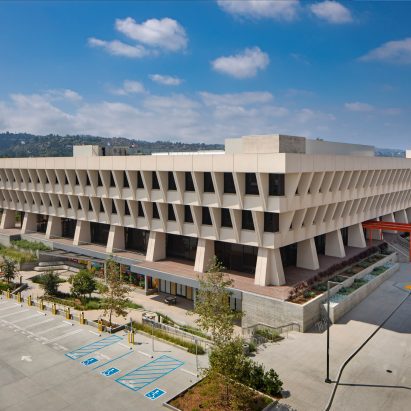
Architecture studio KFA is gearing up to transform a 1970s brutalist office building in Los Angeles into residential apartments, leveraging its recent historic landmark status and a new adaptive reuse ordinance. This development is a significant move in LA's ongoing efforts to address housing shortages while preserving architectural heritage.
What Happened
KFA, a prominent architecture firm, announced its plan to convert the iconic brutalist office structure, located in Sherman Oaks, Los Angeles, into 95 residential apartments. This comes after the building was officially designated as a historic landmark. The building, originally serving as a laboratory and office space, will be repurposed under a recently adopted adaptive reuse ordinance. This ordinance, aimed at encouraging the transformation of older buildings into residential spaces, is part of a broader initiative by Los Angeles to tackle its housing crisis by making better use of existing structures.
What This Means for Your Business
For AECM professionals, KFA's project underscores the growing trend and opportunity in adaptive reuse, particularly in urban areas facing housing shortages. The adaptive reuse ordinance provides a framework for similar projects, potentially unlocking new avenues for contracts and procurement. Companies involved in construction, engineering, and architecture should consider the implications of such regulations, which could streamline the approval process and reduce compliance burdens. Additionally, firms should evaluate the cost implications of retrofitting older structures versus new builds, as adaptive reuse can present both financial and environmental benefits.
What US Operators Should Watch
Decision-makers should monitor the implementation and impact of adaptive reuse ordinances across other cities, as successful projects in Los Angeles could inspire similar policies nationwide. This could lead to increased opportunities for federal funding and incentives aimed at sustainable urban development. Additionally, firms should keep an eye on deadlines related to landmark status applications and adaptive reuse project submissions to capitalize on potential funding and regulatory advantages.
Source: Dezeen. Read the original story ->
Is your firm ready for what’s next?
VisioneerIT helps AECM and government contractors modernize operations, achieve compliance, and implement AI.
Explore VisioneerIT Solutions →