Metal buildings, renowned for their durability and cost-effectiveness, are getting a modern upgrade to address a persistent challenge: air leakage. The introduction of continuous air barrier systems is revolutionizing how these structures manage energy efficiency and longevity, aligning with increasingly stringent standards like the International Energy Conservation Code (IECC) and ASHRAE 90.1.
What Happened
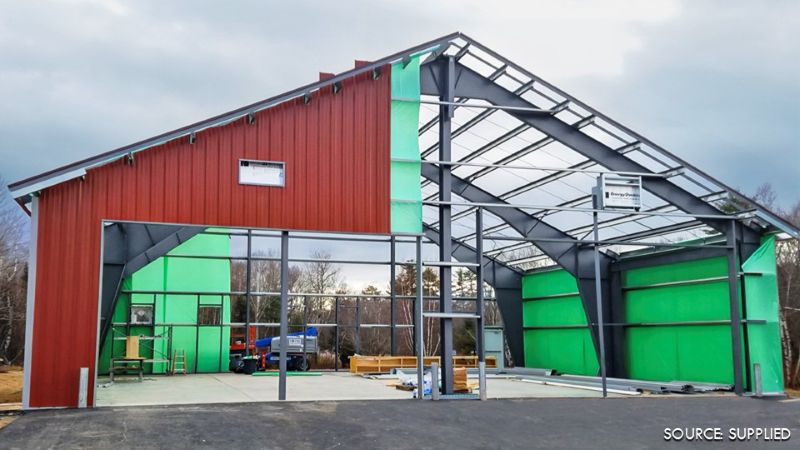
Metal buildings, which often boast lifespans of 50 years or more, are frequently susceptible to air leakage at transition and penetration points such as roof-to-wall interfaces, corners, and mechanical penetrations. These vulnerabilities can lead to compromised thermal performance if not meticulously detailed and sealed. In response, the construction industry is adopting advanced air barrier systems that provide a seamless, airtight envelope. These systems not only meet but exceed the requirements set forth by IECC and ASHRAE, ensuring that the thermal envelope is both clearly defined and durable over the building's lifecycle.
The air barrier systems, often installed within the thermal envelope or on the building's exterior, effectively replace traditional vapor retarders with a more robust solution. This transformation is crucial as energy performance standards become more demanding with each code cycle. The systems are designed to integrate seamlessly with the building's four layers of defense: the weather barrier, air barrier, thermal layer, and vapor retarder. Each layer must be carefully selected and installed to ensure they work in concert, maintaining the building's integrity against air infiltration and pressure changes over time.
What This Means for Your Business
For AECM professionals and government contractors, the shift towards these new air barrier systems represents both a challenge and an opportunity. Compliance with updated energy codes is not optional, and the cost of non-compliance can be steep. Investing in these systems can enhance a building's energy performance significantly, offering a strong return on investment through reduced energy costs and increased building longevity.
For contractors, mastering the installation of these systems can become a competitive advantage, allowing firms to offer superior energy efficiency solutions to clients. Moreover, these advancements align with federal funding opportunities aimed at promoting sustainable construction practices. As energy efficiency becomes a key differentiator in the market, staying ahead of regulatory trends and technological advancements will be critical.
What US Operators Should Watch
Operators should closely monitor upcoming updates to the IECC and ASHRAE standards, as these will dictate future compliance requirements. As of now, the requirement for a continuous air barrier is firmly established, but further enhancements in these standards are expected. Additionally, procurement windows for federal funding initiatives geared towards energy efficiency upgrades in commercial buildings should be on the radar of decision-makers.
Staying informed about deadlines for CMMC audits and other compliance checks will also be crucial, as these can have significant implications for project timelines and costs. In an industry where precision and compliance are paramount, ensuring that your projects meet the latest standards will safeguard your business against future regulatory challenges.
Source: https://www.metalconstructionnews.com/main-slider/controlling-air-leakage-in-metal-building-envelopes/. Read the original story ->
Is your firm ready for what’s next?
VisioneerIT helps AECM and government contractors modernize operations, achieve compliance, and implement AI.
Explore VisioneerIT Solutions →