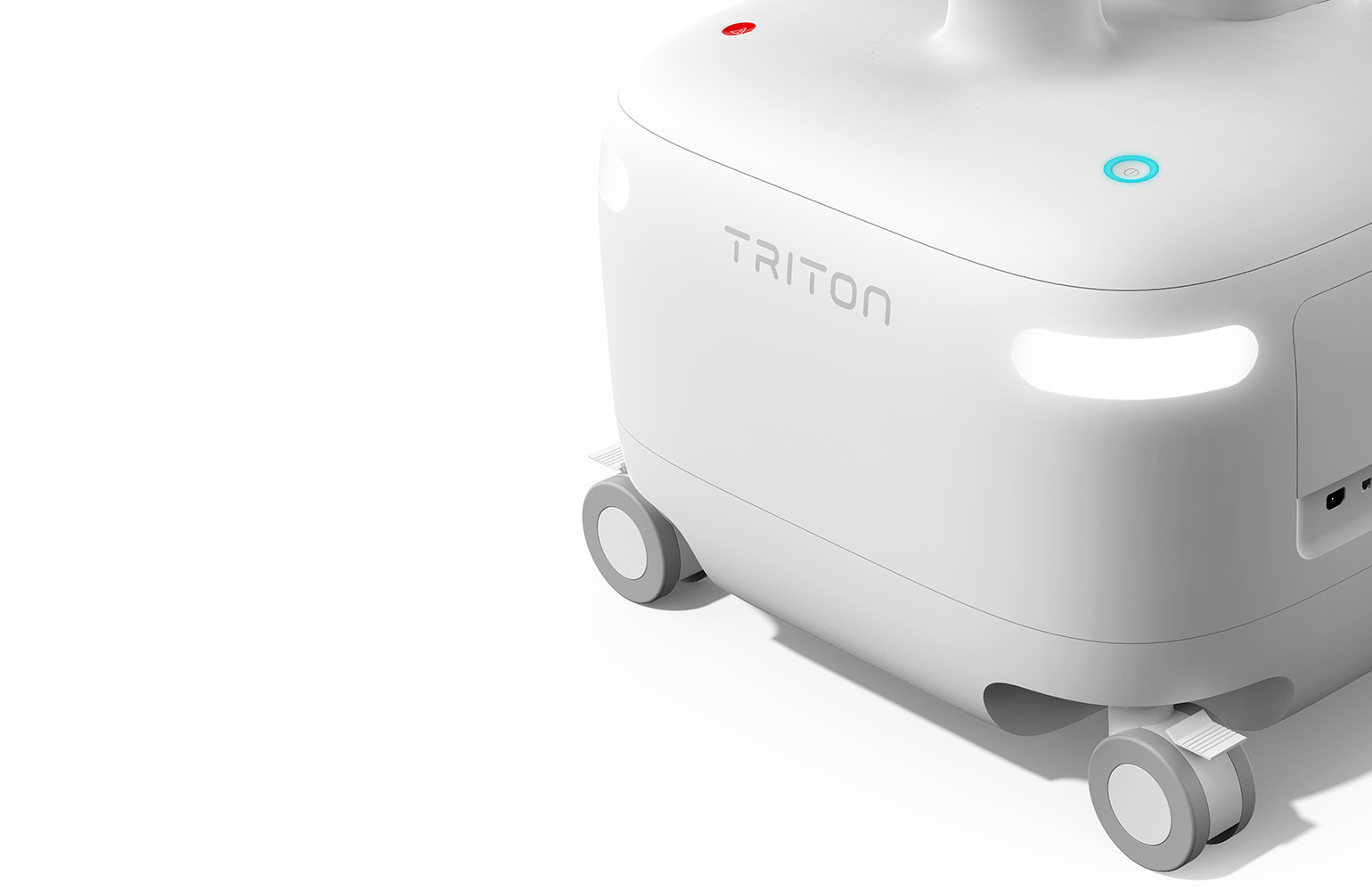
Neptune Medical Inc. has achieved a significant milestone with the FDA clearance of its Triton 1 robotic system, designed to transform gastrointestinal endoscopy. This advancement is poised to impact the healthcare industry by enhancing the precision and control in colonoscopy procedures, crucial for the early detection and treatment of colorectal cancer.
What Happened
Neptune Medical, based in Burlingame, California, announced that its Triton 1 System has received regulatory clearance from the U.S. Food and Drug Administration. The Triton system is engineered for flexible endoscopy, specifically for diagnostic and therapeutic procedures within the colon. By providing robotic precision and stability, Triton aims to improve the capabilities of endoscopists in performing colonoscopies and more complex procedures like endoscopic mucosal resections (EMRs) and endoscopic submucosal dissections (ESDs).
CEO Alex Tilson highlighted that Triton has the potential to revolutionize colonoscopy, making it more efficient for physicians and beneficial for patients. This FDA clearance builds on Triton's promising results from its first-in-human CARE 1 study, which showed a 100% cecal intubation rate and a high adenoma detection rate (ADR) of 54.2%. These outcomes surpass the industry threshold of 35%, indicating Triton's superior capability in identifying pre-cancerous lesions.
What This Means for Your Business
The introduction of Triton 1 into the market signifies a shift towards integrating robotics in gastrointestinal procedures, offering potential advantages in precision and ergonomics. For healthcare facilities and professionals, investing in such advanced systems can lead to improved diagnostic accuracy and patient outcomes, which are critical in the competitive healthcare market. Moreover, the reduced physical burden on endoscopists, as evidenced by a 67% lower NASA-TLX score compared to manual procedures, suggests significant improvements in operational efficiency and staff well-being.
For AECM professionals and government contractors, this development underscores the growing intersection of robotics and healthcare infrastructure. Companies involved in the design and construction of medical facilities should consider incorporating advanced robotic systems into their planning and development strategies.
What US Operators Should Watch
Healthcare providers and facility managers should monitor the commercial rollout of Triton 1 and consider the implications for existing endoscopic equipment and procedures. The FDA clearance opens new opportunities for procurement and integration of robotic systems in medical practices. Additionally, the positive results from the CARE 1 study suggest that further clinical research and subsequent developments in the Triton platform could extend its applications and improve ROI for adopters.
As the healthcare sector increasingly adopts robotic technologies, staying informed about regulatory changes and advancements in medical robotics will be essential for maintaining a competitive edge.
Source: The Robot Report. Read the original story ->
Is your firm ready for what’s next?
VisioneerIT helps AECM and government contractors modernize operations, achieve compliance, and implement AI.
Explore VisioneerIT Solutions →