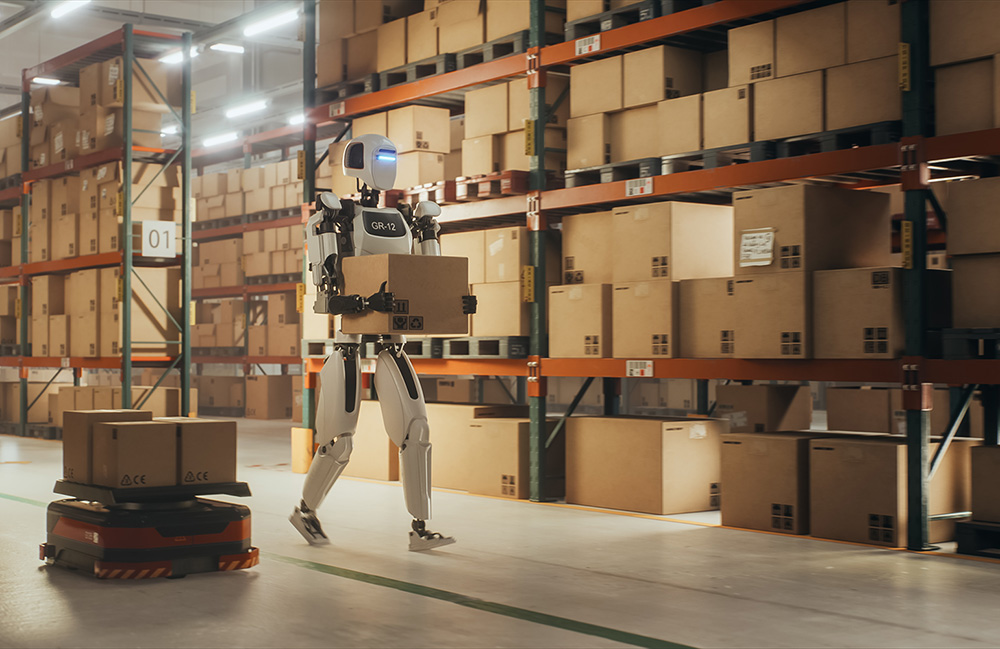
Humanoid robots are making strides in mobility and vision, but their lack of natural communication skills may hinder wide adoption. This issue is particularly pressing for industries dependent on advanced robotics to enhance operational efficiency and safety.
What Happened
Humanoid robots have been showcased extensively at recent tech events, demonstrating impressive advancements in mobility and vision. However, according to Treble, a leader in audio and voice technology, these robots still struggle with natural communication in noisy, real-world environments. This limitation could prevent their widespread acceptance and integration into various sectors, including industrial and urban settings. While robotics has made significant progress in replicating human-like movement and visual perception, auditory perception and interaction remain underdeveloped. This gap is a result of the industry's focus on visible, measurable advancements, such as locomotion and vision, supported by a robust ecosystem of data and scalable training models.
What This Means for Your Business
For businesses in the AECM sector and government contracting, the implications are profound. Robots that cannot communicate naturally may not achieve the levels of trust and efficiency required for seamless integration into complex environments. This affects procurement decisions, as companies may hesitate to invest in robotics solutions that cannot operate effectively in real-world conditions. Moreover, the focus on developing auditory and communication capabilities aligns with compliance requirements, such as safety and operational standards, which emphasize human-machine interaction. Companies investing in robotics should consider the ROI implications of adopting systems that prioritize natural communication, as these systems are likely to offer better long-term benefits and competitive positioning.
What US Operators Should Watch
US operators should monitor developments in robotics that prioritize auditory perception and communication capabilities. As the industry evolves, procurement windows may open for advanced systems that integrate these features, potentially offering a competitive edge. Additionally, federal funding opportunities may arise to support research and development in this area, given its critical importance for national infrastructure and security. Staying informed about these advancements will be crucial for decision-makers aiming to leverage robotics technology effectively.
Source: https://www.therobotreport.com/why-robots-that-cant-communicate-naturally-wont-be-adopted-says-treble/. Read the original story ->
Is your firm ready for what’s next?
VisioneerIT helps AECM and government contractors modernize operations, achieve compliance, and implement AI.
Explore VisioneerIT Solutions →