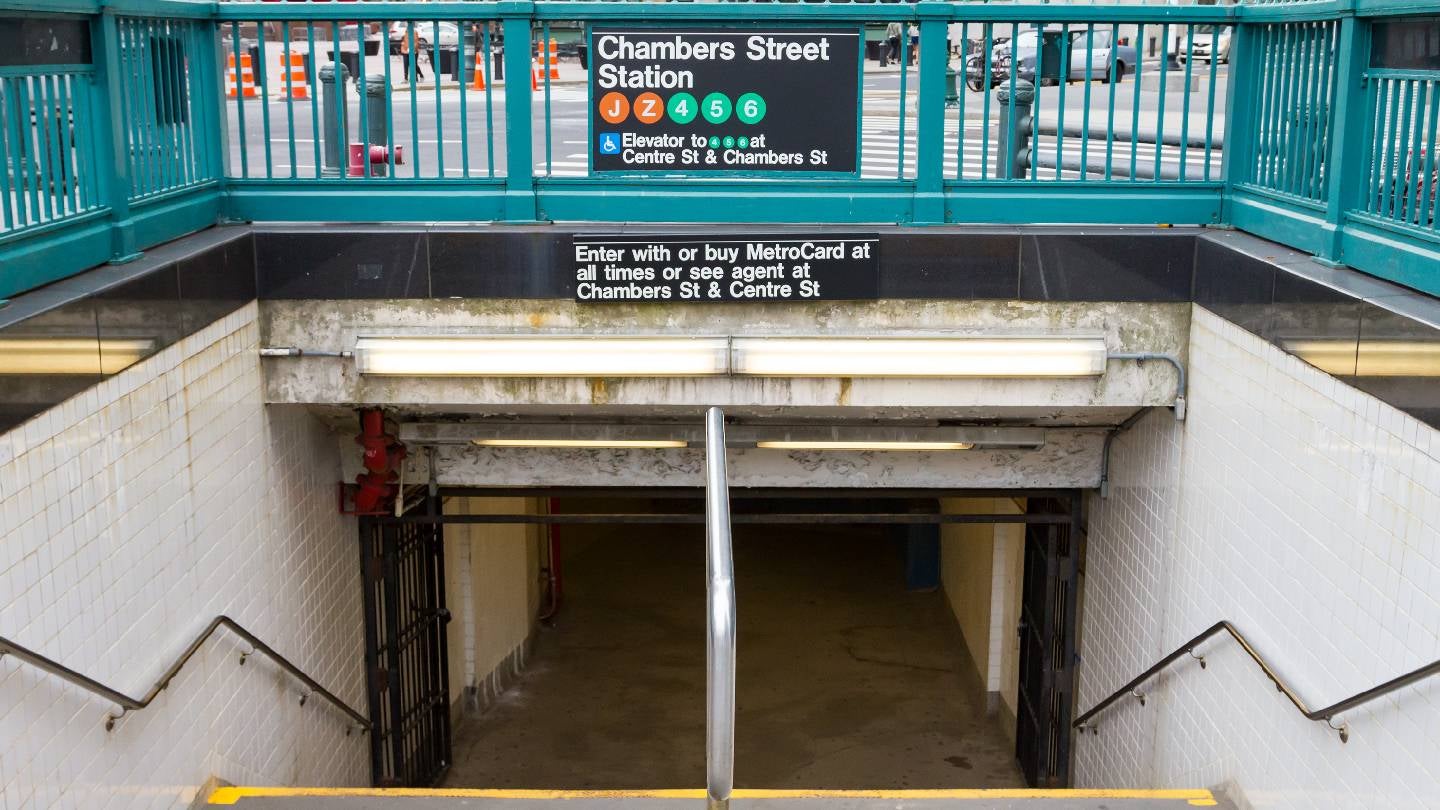
New York’s Metropolitan Transportation Authority (MTA) has awarded a substantial $119 million contract for a comprehensive overhaul of the Chambers Street J/Z station in lower Manhattan. This historic station, which has been in operation since 1913, is set to undergo significant renovations to upgrade its infrastructure and public areas.
What Happened
The contract has been awarded to a joint venture between Forte Construction and Citnalta Construction. The project is part of the MTA’s 2020-24 Capital Plan and will be funded through congestion-pricing revenue. The station, which sees an average of 18,196 passengers on weekdays, has suffered from water damage and structural issues over the years. Planned improvements include structural steel and concrete repairs, water-leak mitigation, and ceiling enhancements. Additionally, the project will replace platform edges, reconstruct stairways, install new lighting and cameras, and update the CCTV system. The renovation will also restore damaged finishes, including ceramic tiles, mosaics, and terra cotta details, and some mezzanine areas will receive new flooring and artwork.
Governor Kathy Hochul emphasized the importance of these renovations, stating that congestion pricing is finally enabling necessary investments in transit infrastructure. The project will also coincide with a study exploring the use of a thermal energy network at the Brooklyn Bridge-City Hall 4/5/6 and Chambers Street J/Z complex. This initiative aims to capture excess heat for potential use in heating nearby municipal buildings, marking a first for a U.S. transit system.
What This Means for Your Business
For AECM professionals and government contractors, this development signifies a lucrative opportunity to engage in a high-profile infrastructure project backed by significant public funding. The contract highlights the MTA’s commitment to modernizing its assets, which could lead to more opportunities in the future for firms specializing in infrastructure rehabilitation and innovative energy solutions. Additionally, companies involved will need to adhere to stringent compliance and safety standards, ensuring that all improvements meet modern transit system requirements.
The use of congestion-pricing revenue as a funding mechanism underscores the growing trend of innovative financing for public projects. This approach may open new avenues for contractors to secure funding and participate in public infrastructure projects. Furthermore, the integration of a thermal energy network study suggests an increased focus on sustainability and energy efficiency, which could influence future project requirements and bidding processes.
What US Operators Should Watch
Industry stakeholders should monitor the progress of the Chambers Street station project, particularly in terms of the timeline and implementation of the thermal energy network. The potential success of this energy initiative could set a precedent for similar projects across the nation. Additionally, keeping an eye on the MTA’s broader Capital Plan and congestion-pricing initiatives could reveal further opportunities for engagement in infrastructure projects. Compliance with evolving federal and state regulations, particularly those related to energy efficiency and sustainability, will be crucial for firms looking to participate in these ventures.
Source: https://www.worldconstructionnetwork.com/news/mta-chambers-street-stations-renewal/. Read the original story ->
Is your firm ready for what’s next?
VisioneerIT helps AECM and government contractors modernize operations, achieve compliance, and implement AI.
Explore VisioneerIT Solutions →