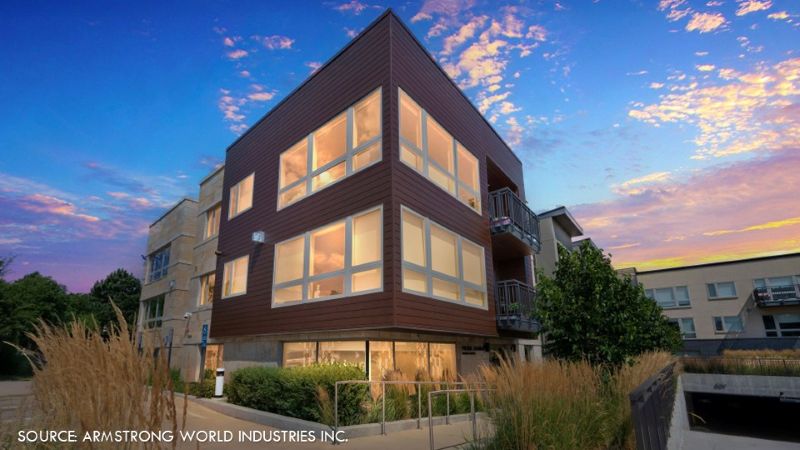
Parallel Architectural Products, a brand under Armstrong World Industries Inc., has achieved a significant milestone by securing the Miami-Dade Notice of Acceptance (NOA No. 25 1006.01) and Florida Product Approval (FPA # 47612) for its aluminum cladding panels. This development is particularly crucial for construction firms operating in hurricane-prone regions, given the rigorous standards set by the High-Velocity Hurricane Zone (HVHZ) building code.
What Happened
The Miami-Dade NOA is a prestigious endorsement that signifies compliance with stringent building codes designed to withstand severe weather conditions, including high winds and flying debris, which are prevalent in hurricane-prone areas. Parallel's cladding panels, available in 4-in., 6-in., 8-in., and 12-in. sizes, have been tested and approved for their resistance to wind loads, water infiltration, air leakage, and debris impact. These panels can be installed with a cladding-clip fastening span of up to 32 inches on center. The approval extends to installations on 5/8-inch plywood or gypsum board, offering flexibility in application. This achievement underscores Parallel's commitment to delivering robust solutions for demanding environments.
What This Means for Your Business
For construction companies and contractors involved in projects within the HVHZ, having access to Miami-Dade approved materials like Parallel's cladding can streamline procurement processes and ensure compliance with local building regulations. This approval can significantly reduce the risk of project delays due to code compliance issues. Furthermore, using such certified products can enhance the structural integrity and resilience of buildings, potentially lowering long-term maintenance costs and improving ROI. Contractors can leverage this approval as a competitive advantage in bids for projects in hurricane-sensitive zones, where adherence to stringent safety standards is non-negotiable.
What US Operators Should Watch
Operators should closely monitor updates to the Florida Building Code and Miami-Dade County regulations, as these often dictate material specifications and compliance requirements for construction projects in the region. Keeping abreast of such approvals and certifications can provide a strategic edge in securing contracts. Additionally, companies should prepare for potential audits and inspections that verify compliance with these standards, ensuring all installed materials meet the necessary requirements. As the frequency of severe weather events increases, staying informed on advancements in resilient building materials will be critical for maintaining competitive positioning in the market.
Is your firm ready for what’s next?
VisioneerIT helps AECM and government contractors modernize operations, achieve compliance, and implement AI.
Explore VisioneerIT Solutions →