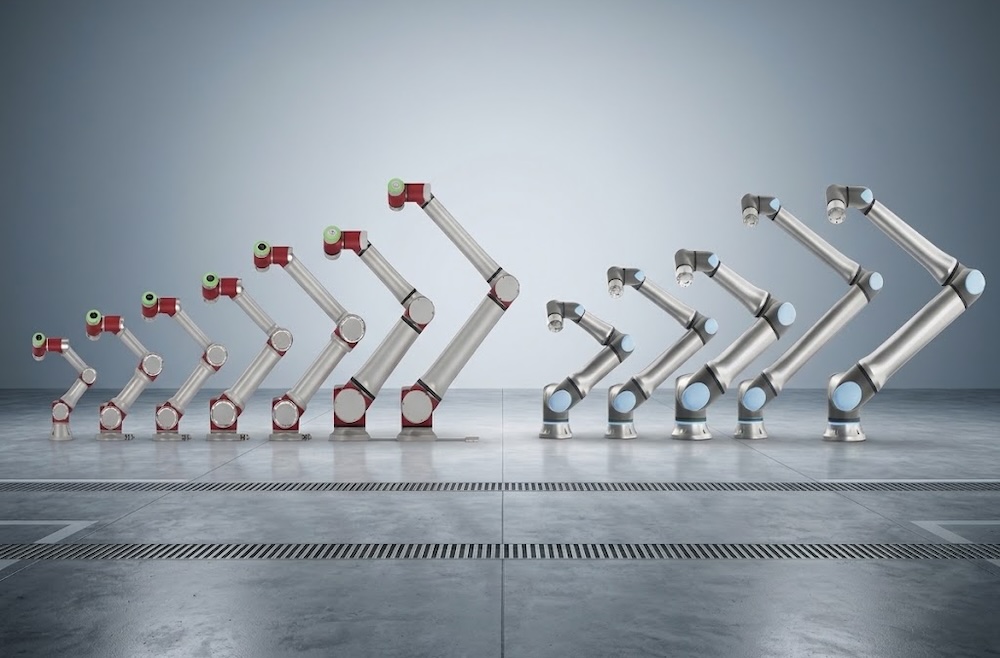
The escalating patent dispute between Teradyne Robotics and JAKA Robotics has taken a new turn. JAKA Robotics, a Shanghai-based collaborative robot manufacturer, has countered Teradyne’s patent infringement lawsuit with its own legal action, accusing Teradyne of making "false, misleading, and damaging" public statements.
What Happened
The conflict began when Teradyne Robotics, the parent company of Universal Robots, filed a lawsuit against JAKA’s German subsidiary, alleging infringement of patents related to its collaborative robot arms. Teradyne claims that its lawsuit was filed in Copenhagen, although JAKA asserts that it has not received any official court documents or notices concerning the case. JAKA claims it learned of the lawsuit through Teradyne’s social media announcements and subsequent media inquiries.
In response, JAKA filed for injunctive relief, challenging Teradyne’s public comments. JAKA argues that it has developed its technology through years of independent research and development, holding over 300 patents globally. The company also conducted two independent freedom-to-operate analyses before entering the European market, neither of which flagged any potential patent infringements.
JAKA criticized Teradyne’s assertions that JAKA’s products are of inferior quality or safety, attributing these claims to "the company’s Chinese origin." JAKA argues that safety in collaborative robots depends on the full application, including design and integration, rather than the manufacturer’s country of origin.
What This Means for Your Business
For businesses in the AECM and government contracting sectors, this dispute underscores the complexities of intellectual property management, particularly for companies operating in international markets. With JAKA and Teradyne both major players in the robotics industry, the outcome of this legal battle could have significant implications for procurement strategies and competitive positioning.
Companies should closely monitor the proceedings to understand the potential impact on the availability and pricing of collaborative robotic technologies. Additionally, this case highlights the importance of conducting thorough freedom-to-operate analyses and securing robust legal protections to safeguard intellectual property.
What US Operators Should Watch
Decision-makers should keep an eye on the legal developments and potential court rulings, as these could influence market dynamics and supplier relationships. Monitoring the timeline for court filings and any potential rulings will be crucial for anticipating changes in the competitive landscape.
Furthermore, the case may prompt regulatory scrutiny over patent claims and competitive practices in the robotics industry, potentially leading to new compliance requirements or procurement guidelines for federal contracts.
Source: https://www.therobotreport.com/jaka-hits-teradyne-robotics-back-over-patent-dispute/
Partner Insight · VisioneerIT
The ongoing patent dispute between JAKA and Teradyne highlights the critical importance of securing robust legal protections and conducting thorough freedom-to-operate analyses, especially for companies looking to navigate the complexities of government contracting. VisioneerIT can assist technology firms in developing strategies to win federal contracts while ensuring compliance with necessary regulations.
Explore VisioneerIT Cybersecurity →
Is your firm ready for what’s next?
VisioneerIT helps AECM and government contractors modernize operations, achieve compliance, and implement AI.
Explore VisioneerIT Solutions →